The core of the current concern is a leak of radioactive liquid from the MSSS, a structure described in official documents as one of the “highest nuclear hazards in the UK.” An internal memo sent to the Sellafield board in November 2022 warned of a “cumulative risk” from failings ranging from nuclear safety to asbestos and fire standards. The leak is projected to continue until 2050, with the potential to contaminate groundwater if it gathers pace. Compounding this issue, cracks have developed in the concrete and asphalt skin covering the B30 reservoir, a massive pond containing decades of toxic nuclear sludge. A scientist on an expert panel advising the UK government on radiation health impacts noted that these risks have been effectively ignored, stating they have been “shoved firmly under the rug.”
The Shadow of Windscale
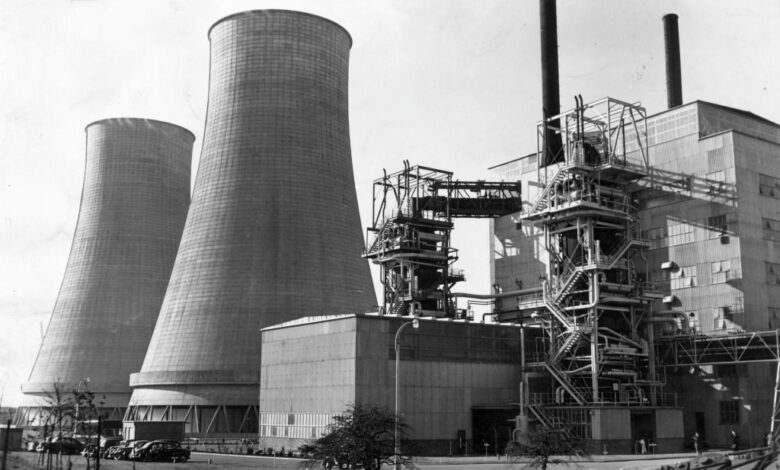
The urgency of these safety concerns is amplified by the site’s history. Sellafield, formerly Windscale, was a wartime munitions site converted to produce plutonium for nuclear weapons. The urgency of the Cold War meant safety was often secondary to production. On 10 October 1957, a fire broke out during a routine procedure to release stored energy from the reactor’s graphite core. Operators misjudged the heating, causing fuel elements to rupture and ignite. For three days, workers battled the blaze with limited protective equipment. The fire released significant amounts of radioactive material, including iodine-131 and caesium-137, into the atmosphere across Britain and Europe.
Rated level 5 on the International Nuclear Event Scale, the same rating as Three Mile Island, the accident was suppressed initially; no mass evacuation of the nearby Lake District National Park, located just one mile east, was ordered. It was only later that the severity became known. Early official estimates suggested around 100 premature deaths resulted from the exposure, though some later studies have proposed figures as high as 240. The disaster was narrowly prevented from becoming a catastrophe akin to Chernobyl or Fukushima due to filters installed on the chimneys by Sir John Cockcroft. Initially mocked as “Cockcroft’s Follies,” these filters trapped roughly 90% of the escaping radioactive material, preventing the Cumbrian coastline and the Lake District from becoming an uninhabitable radioactive wasteland.
Despite these historical lessons, modern assessments suggest the site’s dangers have not diminished. An EU report in 2001 warned that an accident at Sellafield could be worse than the 1986 Chernobyl disaster, noting that Sellafield contains significantly more radioactive material than the Ukrainian site. Potential triggers for an atmospheric release include explosions and air crashes. This assessment has fueled anxiety among neighboring nations. Norwegian officials fear that prevailing south-westerly winds could carry a plume of radioactive particles across the North Sea, devastating local food production and wildlife. A senior Norwegian diplomat suggested that Oslo should offer to help fund the site, criticizing the UK for running “something so dangerous on a shoestring budget and without transparency.”

Diplomatic Friction
The United States, a long-time partner in nuclear technology, has also raised concerns through diplomatic cables, citing creaking infrastructure and a lack of transparency from UK authorities. Ireland, which shares a maritime border, has a long history of apprehension regarding Sellafield. In 1995, escalating fears led the Irish government to consider legal action. Then-Taoiseach John Bruton raised the issue directly with UK Prime Minister John Major. Irish officials noted that two separate incidents at Magnox power plants in Wylfa and Dungeness in 1993 had been “not reassuring in the least.” While Major assured Bruton that safety was the “highest priority,” the Irish government maintained that the frequency of incidents indicated a potential for serious accidents with transboundary effects. In 2006, Ireland took the matter further by referring Sellafield to a UN tribunal over environmental impact concerns.
Today, with 11,000 employees operating one of Europe’s largest nuclear waste facilities, the combination of aging infrastructure, documented leaks, and international scrutiny poses a significant challenge. The site’s operators and the UK government face the task of addressing a “cumulative risk” that extends beyond the Cumbrian coast, threatening the safety of neighboring nations and the integrity of the broader nuclear energy sector. As the leak from the MSSS continues, the question remains whether the safety measures implemented since 1957 are sufficient to manage the profound hazards stored within the Sellafield complex.