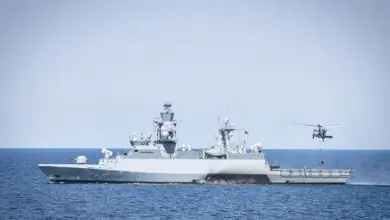
During this timeframe, the Russian vessel was observed monitoring NATO warships participating in Exercise Strike Warrior. This multinational exercise involved approximately 2,000 personnel from six Alliance nations. In a separate but concurrent operation, Royal Navy frigates HMS Dauntless and HMS Tyne tracked the Russian frigate RFN Neustrashimy between October 1 and 14. The Neustrashimy was reported to be escorting sanctioned cargo ships through the English Channel, a movement the Navy attributed to the need to protect “illegal shipments” following the seizure of the MV Smyrtos in June.
Captain James Hall, the commanding officer of RNAS Culdrose, stated that the rapid redeployment of the helicopter force was designed to test the ability to operate away from the home base. “This operation has been a critical means for demonstrating to ourselves, our adversaries and the nation that we are willing and capable of securing the homeland 24/7,” Captain Hall said. He added that the Merlin Helicopter Force remains ready to respond to operational requirements at short notice.
The tracking of the Viktor Leonov utilized upgraded sensor capabilities. Earlier this year, Merlin helicopters were fitted with state-of-the-art sonobuoys as part of a £40 million upgrade program aimed at improving the detection of Russian submarines. The recent operations also coincided with reports of a Kilo-class submarine spotted in the High North, near HMS Prince of Wales, which was commencing the second phase of Operation Firecrest.
British officials noted that Russian activity in and around British waters has increased by 25% during the first seven months of 2026 compared with the same period in 2025. Previous incidents include the monitoring of a Russian spy ship off the Scottish coast in November 2025, which was suspected of collecting data on underwater infrastructure. In September 2026, NATO allies also exposed Russian submarines near Svalbard during exercises involving undersea cable protection.
The Royal Navy continues to maintain a persistent presence in UK waters to counter Russian reconnaissance. The next phase of these operations will likely involve further integration of the new sonobuoy systems and continued monitoring of sanctioned vessel movements in the English Channel.