
Pollsters and forecasting tools suggest Democrats are well-positioned to gain power. A Harvard University forecasting tool, which compiles multiple polls and historical data, calculates a 96% probability that Democrats will take control of the House of Representatives and a 76% chance of capturing the Senate. An NBC News national poll posted this weekend indicates that registered voters prefer a Democrat-controlled Congress by a seven-point margin, with 52% supporting Democrats against 45% for Republicans. Democratic House leader Hakeem Jeffries stated he is “very confident” his party is on course to win the House, echoing sentiments expressed by senior Democrats, including former President Barack Obama, who made final appeals to voters this weekend.
Trump’s campaign strategy has focused on shifting voter attention away from rising costs of living. Prices for fuel, groceries, and health care have increased significantly since the war in Iran began over eight months ago. At his rallies, Trump argued that his administration has transformed the US from a “dark age” into a “golden age,” while warning that Democratic control would lead to open borders, family bankruptcy, and the loss of gun rights. He utilized video montages of Democratic figures to reinforce these points. However, some Republicans have expressed disquiet regarding the President’s appeal to moderate voters amid these aggressive tactics.

The final weekend also featured significant developments in specific Senate races. In Michigan, a tightly contested race, sitting congresswoman Haley Stevens endorsed Republican candidate Mike Rogers on Sunday after losing the Democratic nomination to Abdul El-Sayed. This move drew widespread condemnation from fellow Democrats but praise from Republicans, with Trump describing Stevens as “very brave.” Meanwhile, in Alaska, a judge dismissed a lawsuit by the Trump administration that sought to delay the certification of election results. The legal action was prompted by two candidates appearing on the ballot with the same name, Dan Sullivan.
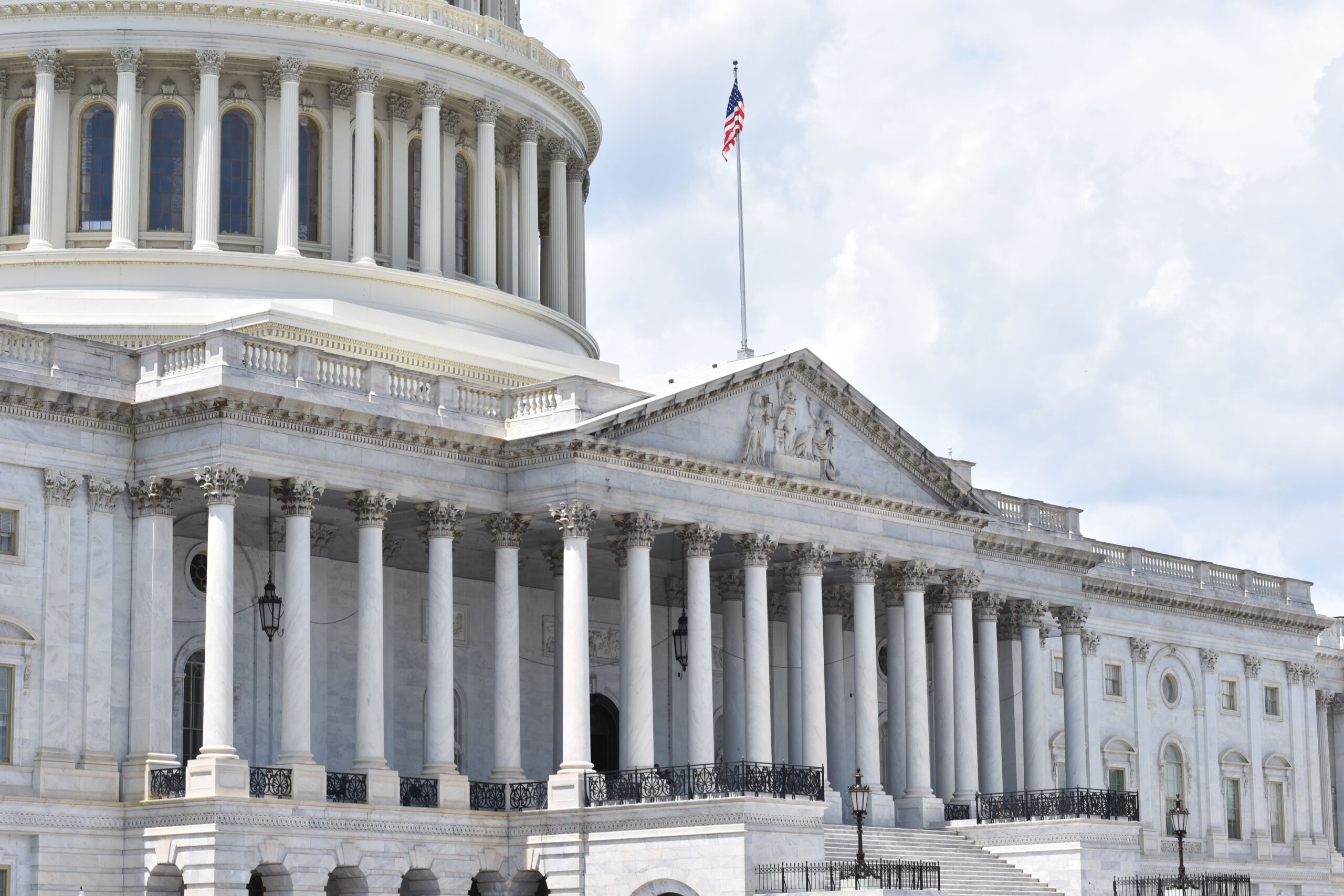
Institutional dynamics further complicate the Republican position. Midterm elections historically see the party holding the White House lose seats to the opposing party. Republicans currently hold a slim majority in both chambers of Congress. Losing that majority would hinder their ability to pass laws and shape policy. Conversely, a Democratic majority would grant them investigative powers over the Trump administration and the ability to challenge his agenda. The outcome of Tuesday’s election will determine the balance of power in Washington and impact policy areas including healthcare, immigration, and taxation.
Despite the high stakes, the Justice Department has continued to launch investigations in multiple states and demand votes be set aside, casting doubt on the credibility of the vote. These actions have proceeded despite evidence indicating that voter fraud is extremely rare. The election results will serve as a primary measure of voter satisfaction with the President’s performance and set the stage for the 2028 presidential cycle.