The primary catalyst for this volatility is the heightened fear of escalation in the conflict involving Iran. As traders assess the potential for broader regional instability, the risk premium embedded in gas contracts has expanded. The concern is that any significant escalation could threaten supply routes or disrupt global shipping, directly impacting the availability of Liquefied Natural Gas (LNG) and piped gas to European markets. In a market that has already been sensitive to geopolitical shocks since the onset of the war in Ukraine, the prospect of Middle Eastern conflict serves as a potent driver of speculative buying, pushing prices higher as investors seek to hedge against supply shocks.
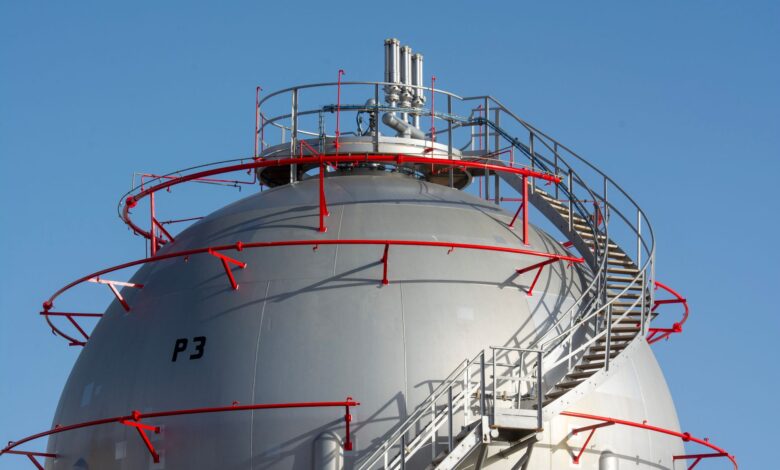
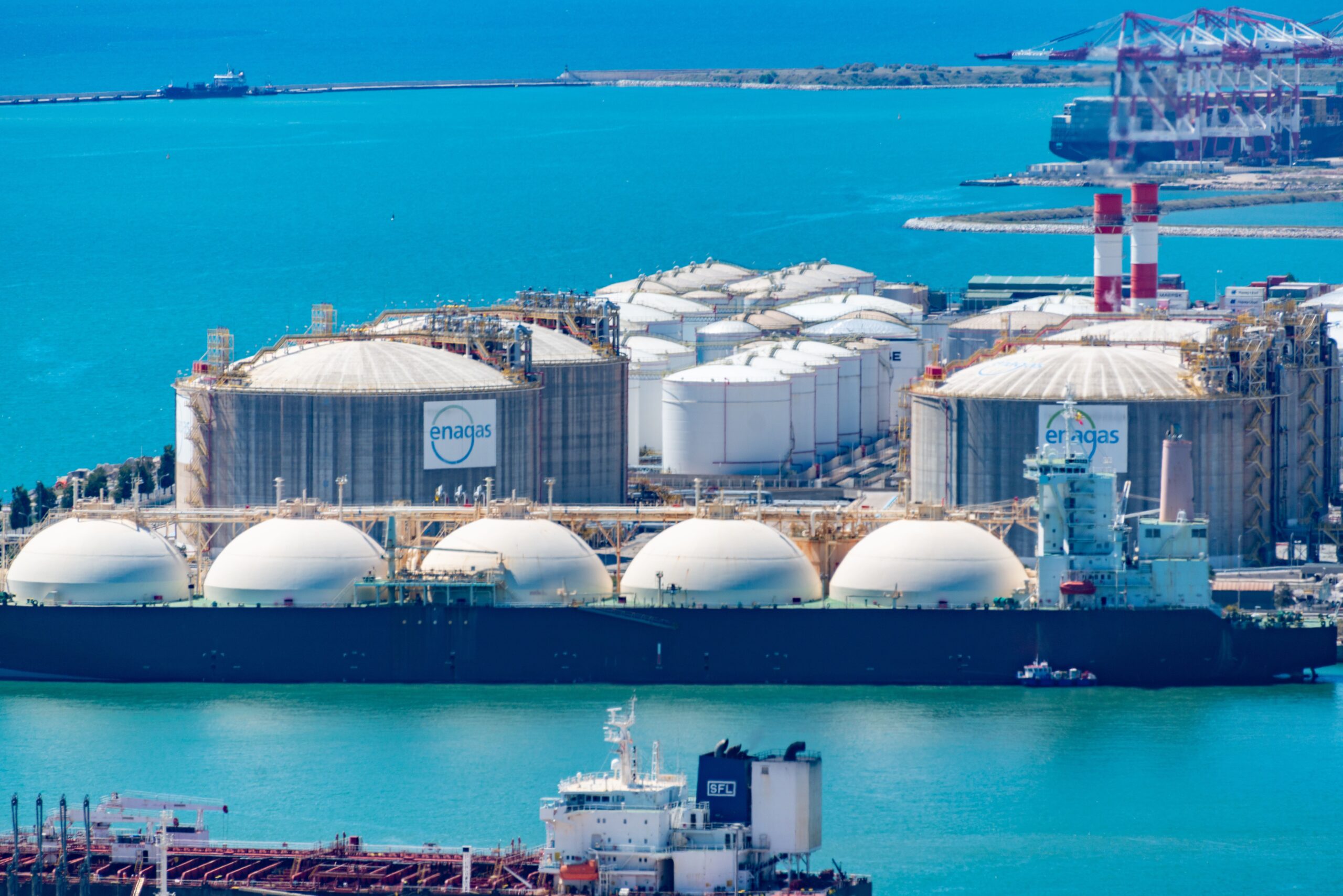
Compounding this geopolitical anxiety is the physical state of Europe’s gas infrastructure. Forecasts indicate a cold winter ahead, which traditionally increases heating demand and, consequently, gas consumption. However, this potential demand spike is occurring at a time when underground gas storage levels are low. Storage facilities across the continent are not filled to the levels typically seen at this time of year, reducing the buffer available to meet unexpected demand surges or supply interruptions.
The interplay between low storage and cold weather forecasts creates a fragile market environment. When storage is low, the market relies more heavily on just-in-time imports via LNG carriers and pipeline deliveries. If a geopolitical event were to disrupt these flows, the lack of stored gas would mean there is less domestic capacity to absorb the shock, potentially leading to sharper price increases or, in extreme scenarios, supply rationing. This dynamic makes the market particularly vulnerable to news headlines from the region, as evidenced by the recent price jump.
The current pricing structure reflects a market that is balancing immediate fundamental data with long-term risk premiums. While the physical supply of gas to Europe is currently stable, the uncertainty surrounding future availability has altered the forward curve. Traders are pricing in a significant probability of higher prices persisting through the winter months, assuming that the geopolitical situation does not de-escalate. This has implications for downstream industries, particularly those that are energy-intensive, such as chemical manufacturing, fertilizers, and metallurgy, which may face higher input costs and reduced competitiveness in global markets.
For consumers, the immediate impact is less direct due to various government support measures and long-term contracts, but the wholesale price increases inevitably filter through to retail prices over time. Household energy bills, which have already seen significant increases in recent years, face renewed pressure if this price level persists. The economic burden of high energy costs contributes to inflationary pressures, complicating the macroeconomic outlook for European economies that are still recovering from the post-pandemic and post-energy-crisis periods.
Government and regulatory bodies are monitoring the situation closely. While there is no immediate indication of emergency measures such as demand-side management or export restrictions, the low storage levels serve as a warning to policymakers. The emphasis remains on ensuring that storage facilities are filled as quickly as possible before peak winter demand begins. This involves coordinating with LNG suppliers to secure additional cargoes and managing pipeline flows from remaining sources to maximize inventory levels.
The uncertainty remains the defining characteristic of the current market. The geopolitical situation is fluid, and any de-escalation could lead to a rapid correction in gas prices, as the risk premium is unwound. Conversely, further escalation could push prices even higher, potentially reaching levels not seen since the initial energy crisis. The market is in a state of heightened vigilance, where news flows from the Middle East carry immediate and substantial weight on European energy markets.
As winter approaches, the focus will remain on the balance between geopolitical risk and physical fundamentals. The jump above €100 is a clear signal that the market perceives a significant threat to supply security. Whether this becomes a sustained trend depends on the evolution of the Iran situation and the actual weather patterns that will determine heating demand. For now, the combination of low storage and high risk has locked in a price level that reflects the fragility of Europe’s energy position in a volatile geopolitical landscape.