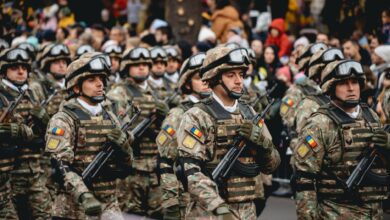
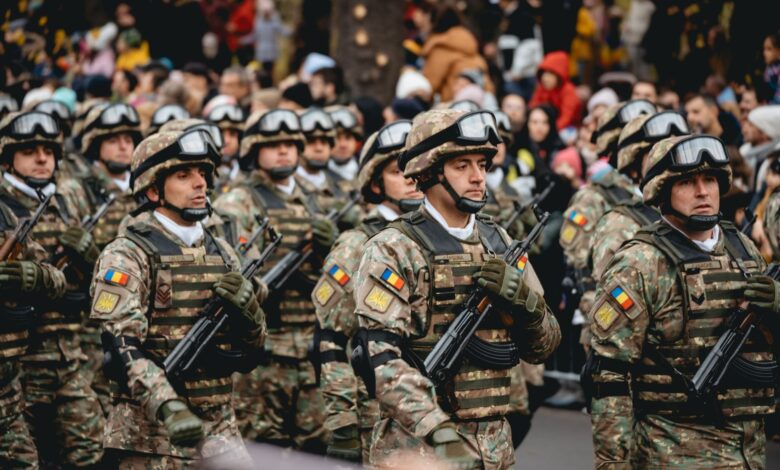
The expansion brings the total number of active-duty soldiers, officers, and support staff under the direct command of the Ministry of Defense to the new ceiling. By increasing the baseline personnel count, the Kremlin is formally acknowledging the sustained drain on its military resources and the need to replenish and expand its operational capabilities. This move distinguishes itself from temporary mobilization efforts, instead embedding a larger standing army into the Russian state’s long-term defense budget and organizational structure.
The timing of the decree is significant, arriving as Ukrainian President Volodymyr Zelenskyy issued warnings about the potential deployment of 10,000 North Korean troops to support Russian operations. Zelenskyy’s statements suggest a shift in the conflict’s dynamics, where Russia may be seeking to offset personnel shortages or sustain offensive pressure through allied foreign forces. The simultaneous expansion of Russia’s own active roster to 1.55 million personnel indicates a dual-track strategy: maintaining a massive indigenous force while potentially integrating additional external manpower.
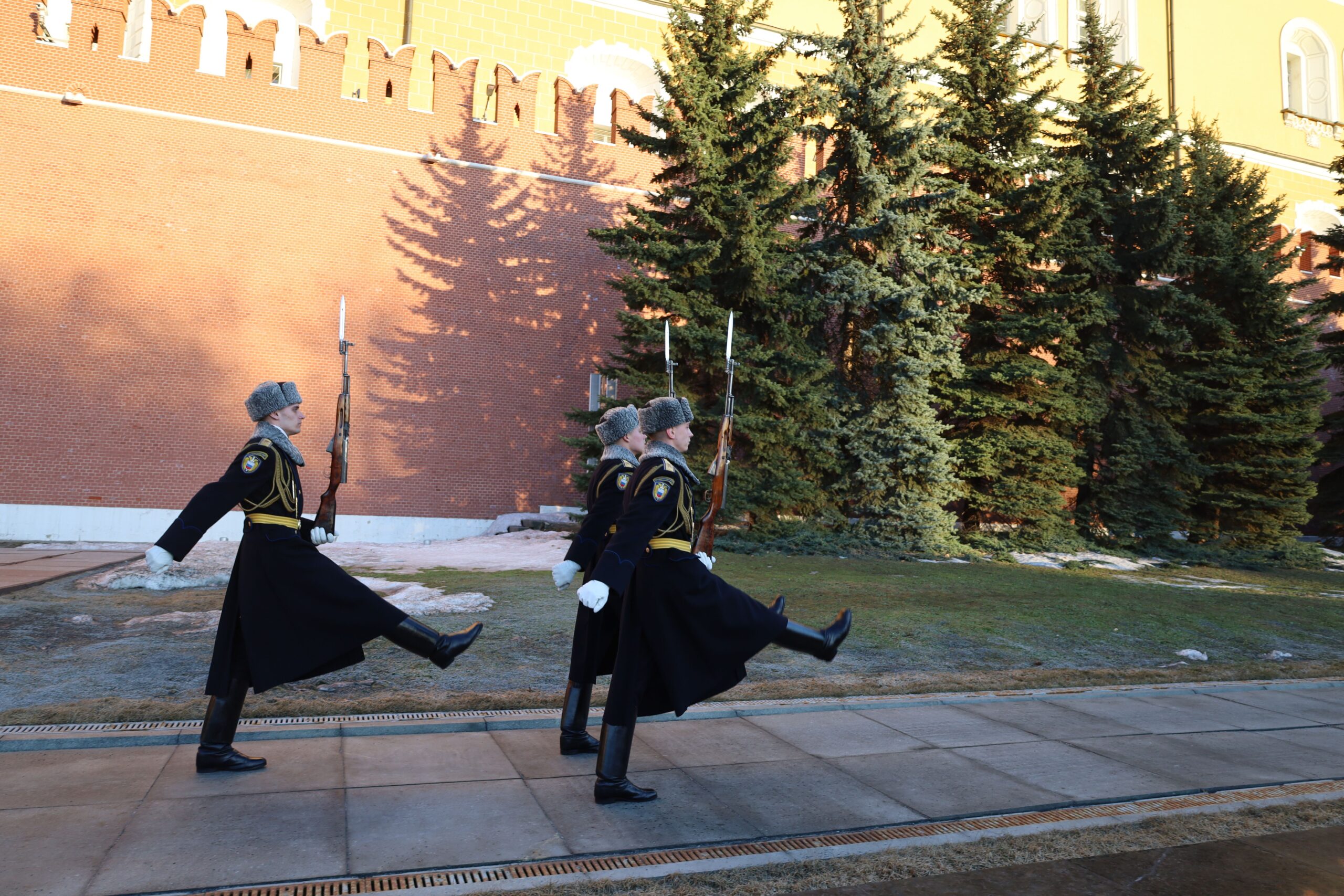
Since the full-scale invasion of Ukraine began in February 2022, the Russian presidency has repeatedly raised the number of authorized military personnel. Each successive increase reflects the attrition rates experienced on the battlefield and the logistical challenges of maintaining a prolonged high-intensity conflict. The current figure of 1.55 million is substantially higher than pre-war levels, signaling a fundamental restructuring of Russia’s defense posture. This expansion likely requires significant increases in training infrastructure, equipment procurement, and logistical support to maintain readiness levels across the enlarged force.
From a strategic perspective, the expansion serves multiple purposes. Domestically, it reinforces the state’s capacity to project power and maintain internal security. Internationally, it signals to allies and adversaries alike that Russia is committed to a long-term military engagement rather than a short-term campaign. The increase in personnel also affects the balance of power in the region, as a larger standing army offers greater flexibility for both defensive and offensive operations across multiple theaters.
The connection between this domestic expansion and the reported North Korean troop deployments highlights the evolving nature of the conflict. If Russia is indeed preparing to deploy foreign troops, the expansion of its own forces may be a hedge against potential risks associated with integrating non-Russian personnel. Alternatively, the increased Russian troop numbers may be intended to reduce the reliance on foreign allies by ensuring sufficient indigenous manpower for critical sectors of the front line.
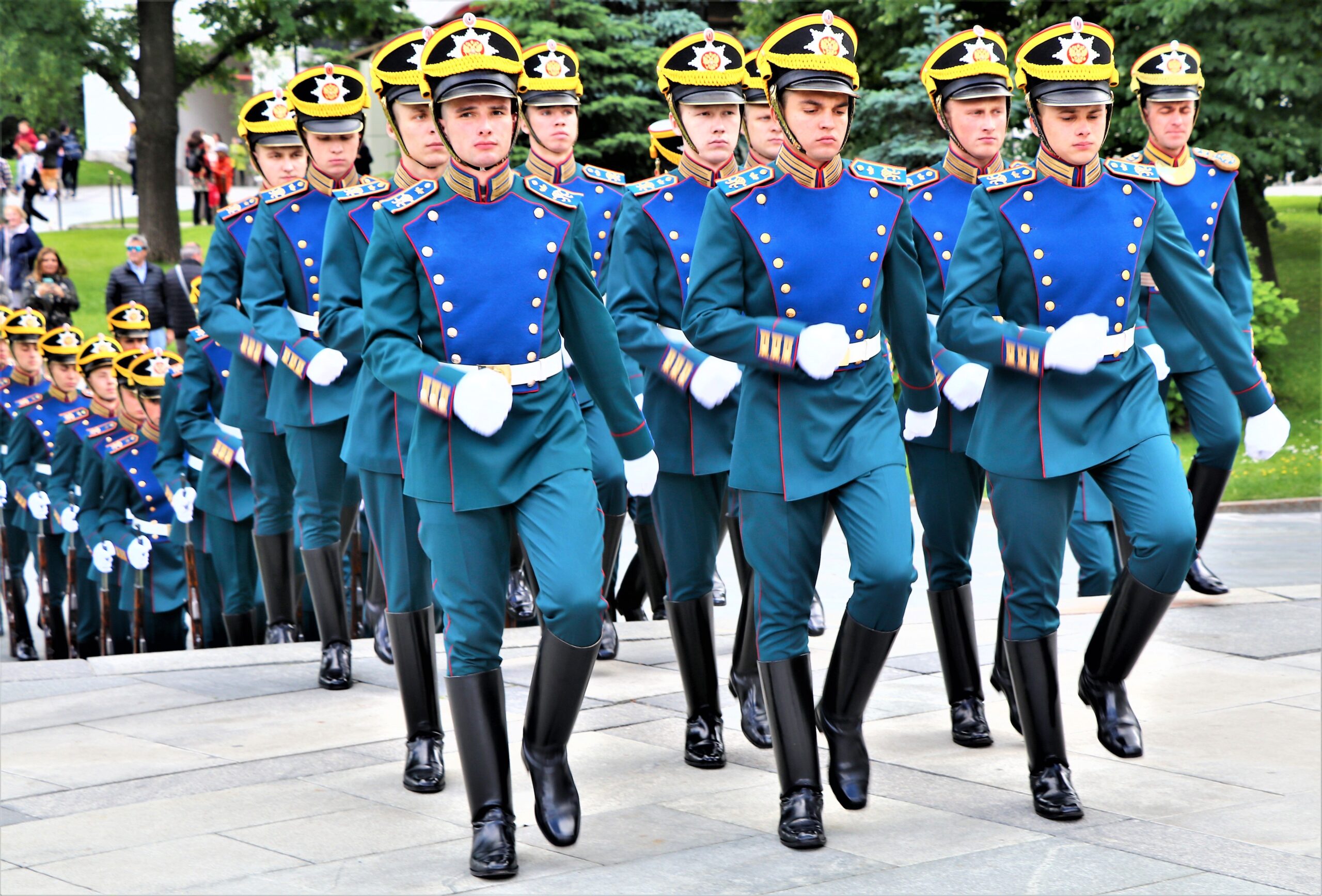
The operational impact of reaching 1.55 million active personnel will depend on the pace of recruitment, training, and equipping. While the decree sets the legal framework for this expansion, the on-ground reality will be shaped by logistical constraints and the ability to integrate new recruits into effective combat units. The war’s entry into its fifth winter suggests that both sides are preparing for a prolonged period of stalemate or renewed maneuver, with force structure adjustments playing a key role in shaping the strategic landscape.
As the conflict continues, the focus will remain on how Russia utilizes this expanded force. Whether through increased offensive operations, defensive consolidation, or strategic signaling, the shift to a 1.55-million-strong active army marks a significant milestone in the war’s trajectory. The interplay between Russia’s internal military expansion and the potential involvement of North Korean troops will be a critical factor in determining the next phase of the conflict.