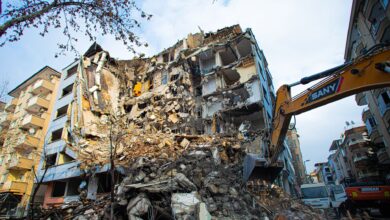
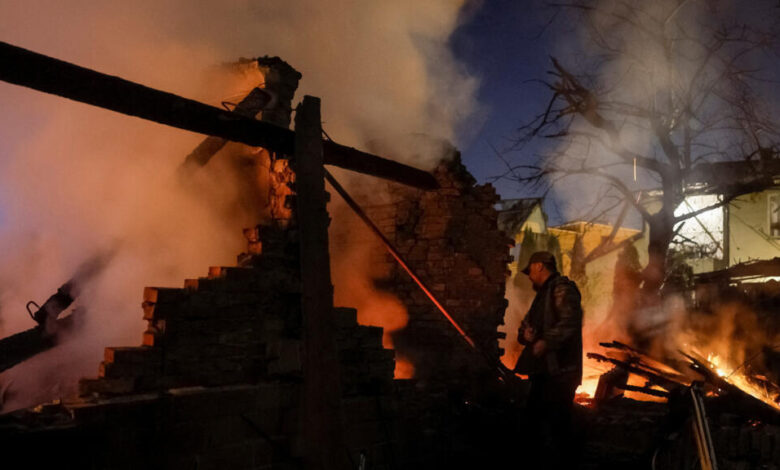
President Volodymyr Zelenskyy confirmed that the primary objective of the overnight assault was the energy sector of the capital and the Kyiv region. He stated that emergency services and repair brigades were working to address the damage caused by what he described as a complex barrage involving nearly 190 strike drones and ballistic missiles. Zelenskyy noted that while a portion of the Russian ballistic missiles was intercepted, the volume of the attack represented a significant escalation in the campaign against civilian infrastructure.
The attacks, which began in the evening of September 29, involved a mixture of air-launched cruise missiles, anti-ship missiles, and unmanned aerial vehicles. Initial reports indicated the use of “Zircon” or “Onyx” anti-ship missiles, “Iskander-M” ballistic missiles, and potentially S-400 systems, alongside 188 drones. Air defense units reported neutralizing 160 aerial targets, though the precise breakdown of intercepts for each weapon type was not fully detailed in early reports.

Casualties and Infrastructure Damage
Civilian casualties were reported across the country, with figures varying slightly between initial and updated tallies. Ukrainian authorities confirmed that at least six people were killed in the overnight attacks, including a child. At least 33 people were injured. In Kyiv itself, city officials reported three fatalities, while emergency services identified one child killed in the surrounding region. Zelenskyy initially cited five deaths and 14 injuries, with the final confirmed count rising as rescue operations continued.
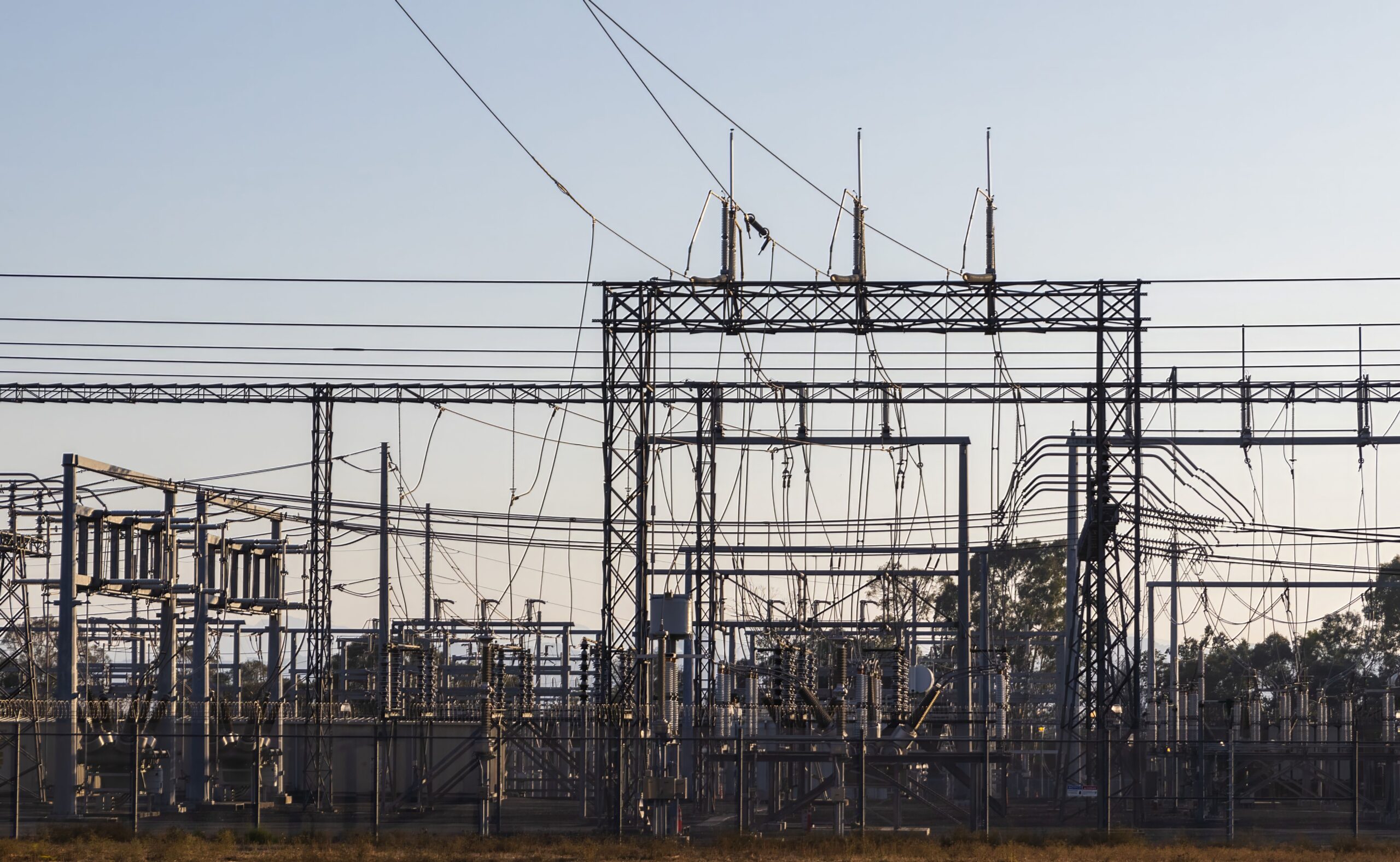
The targeting of the power grid reflects a continued Russian strategy to degrade Ukraine’s capacity to sustain its military and civilian populations, particularly as autumn approaches. The use of high-value long-range missiles alongside a large drone swarm suggests an intent to overwhelm air defense systems and strike critical nodes of the energy network simultaneously.
Regional Security Implications
The scale of the missile and drone launch had immediate repercussions beyond Ukraine’s borders. In Poland, two airports in Lublin and Rzeszów were briefly shut down due to “military aviation activity” during the Russian attacks. This highlights the expanding security perimeter of the conflict, where large-scale ballistic and cruise missile trajectories can trigger defensive responses and civil aviation disruptions in neighboring NATO member states.
The deployment of such a large number of drones—close to 190—indicates a sustained industrial capacity for unmanned aerial vehicle production on the part of the Russian military. The combination of tactical drones and strategic ballistic missiles complicates the defensive posture of Ukrainian air defense units, which must manage multiple threat vectors and ranges simultaneously.
As repair crews work to restore power, the focus remains on the durability of Ukraine’s energy infrastructure against repeated saturation attacks. The incident underscores the ongoing strategic pressure on Kyiv to reinforce its air defense capabilities and harden critical infrastructure against future large-scale barrages. The next phase of the conflict will likely see continued testing of Ukraine’s ability to intercept high-volume mixed-threat salvos while maintaining essential services for its population.