The diplomatic weight of the visit is anchored in the recent ratification of a bilateral Treaty of Friendship. Although the Spanish Senate initially rejected the treaty, the Constitutional Court upheld its legality, clearing the path for formal ratification by Congress. This agreement, originally signed in Barcelona in 2023, allows for unprecedented cooperation, including the participation of French ministers in the Spanish Council of Ministers for specific matters, and vice versa. For Spain, the treaty is a strategic milestone, placing its relationship with France on par with its ties to other key European partners like Germany and Italy. For France, it reaffirms a priority bilateral partnership that anchors its broader European strategy.
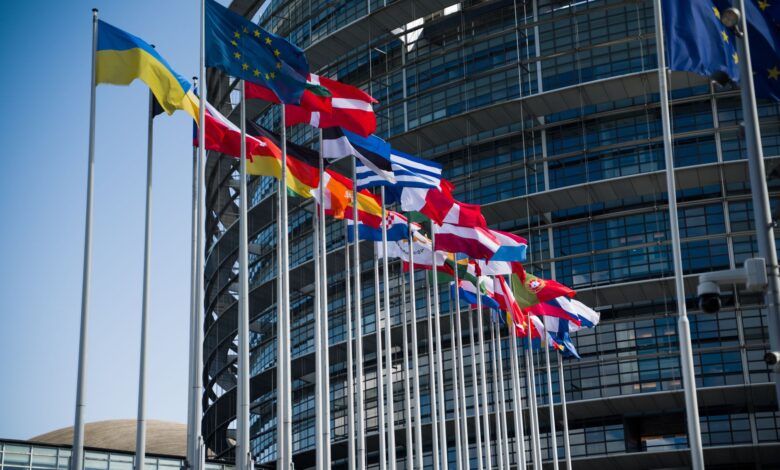
A central theme of the discussions has been the management of the European Union’s external borders. King Felipe VI explicitly called on Macron to ensure that the EU takes collective responsibility for the border with Ceuta. The monarch described the massive influx of migrants through the autonomous city from Morocco as “unacceptable,” noting that a Spanish border is also a European border. “The countries that bear the most pressure due to being on the external border of the EU cannot face alone a responsibility that belongs to everyone,” the King stated, framing the issue as a major challenge for security, public order, and humanitarian concerns. This call for shared burden reflects a growing tension within the EU over border enforcement, with Spain and France aligning to demand more robust collective mechanisms.

Beyond border security, the two leaders are coordinating on a joint European agenda that spans approximately fifteen areas, from energy and agriculture to the fight against drug trafficking and disinformation. A particular focus is the regulation of digital platforms. Both nations have pledged to ban the use of social networks for minors, forming part of a coalition of influential EU states lobbying for stricter digital governance. During the visit, Macron engaged in a dialogue with students from Complutense University of Madrid on democracy and the societal impact of social media, highlighting the leaders’ shared concern over how these platforms affect younger generations and democratic discourse.
The timing of the visit is notable for the political context surrounding both leaders. Macron, who will not run for a third term in the April 2027 presidential election, is navigating a period of domestic uncertainty with opinion polls favoring Marine Le Pen’s right-wing party. Similarly, Spanish Prime Minister Pedro Sánchez, though expected to seek re-election, faces a challenging electoral landscape where polls suggest a potential victory for the center-right PP and Vox alliance. Despite this “mutual weakness,” the visit serves as a culmination of a progressive rapprochement, ensuring that institutional ties remain robust regardless of future electoral outcomes.
Economic and commercial dimensions of the relationship were also addressed, with plans to sign a commercial memorandum of understanding presided over by King Felipe VI. While specific trade figures were not detailed in the immediate announcements, the focus on a “commercial memorandum” signals a move to formalize and expand economic cooperation beyond traditional trade channels. The leaders are also expected to address major international issues, including the ongoing conflicts in Ukraine and the Middle East, presenting a united front on European security and foreign policy.
As the state visit concludes, the immediate next steps involve the formal ratification of the friendship treaty by the Spanish Congress and the implementation of the agreed-upon joint declarations. The friction over border management in Ceuta remains a critical point of observation, as it tests the willingness of EU institutions to move from rhetoric to concrete operational support for frontline member states. The alliance between Madrid and Paris enters a new phase, defined less by ceremonial grandeur and more by the practical challenges of governing in a fragmented European landscape.