

The decision to close the facility, located approximately 120 kilometers from Cape Town, is driven by a confluence of economic pressures. Premier Group cites global oversupply, higher U.S. tariffs, uncertainty surrounding the African Growth and Opportunity Act, exchange rate pressures, and industry consolidation as the primary reasons the business is no longer sustainable. With approximately 90 percent of the factory’s production destined for export, the operation is highly dependent on international competitiveness. Company officials note that global demand for canned fruit has declined sharply year on year, while production costs have risen.
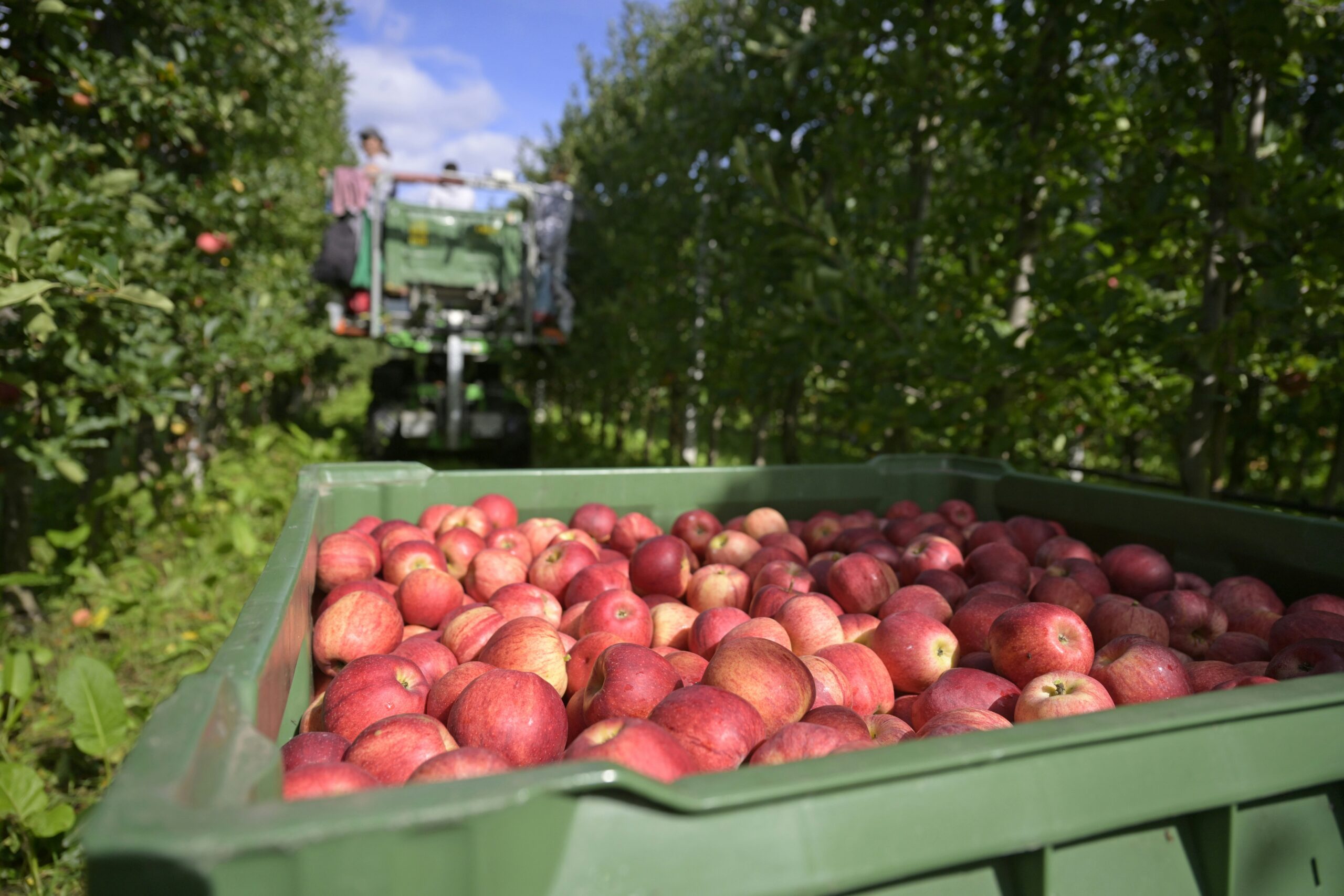
The economic footprint of the Tulbagh plant extends far beyond its gates. It processes between 50,000 and 60,000 tonnes of fruit annually, accounting for almost half of South Africa’s total fruit-canning capacity. The closure poses a specific threat to the agricultural supply chain because the fruit processed here is not interchangeable with fresh-market produce. Varieties such as cling peaches are bred specifically for canning due to their short shelf life, which makes them unsuitable for fresh export. Hortgro Stone director Charl Herbst notes that these trees have a lifespan of 20 to 30 years, meaning growers made long-term investments specifically to supply this facility.
Industry leaders warn that the loss of this processing capacity will not simply shift production elsewhere. If the fruit is redirected to the domestic fresh market, it risks flooding a market that lacks the demand to absorb such volumes, leading to significant waste. “You just flood the market immediately, and then you have a lot of fruit rotting somewhere,” said Jacques Jordaan, CEO of the Canning Fruit Producers Association. Jordaan estimates that more than 200 farms and approximately 2,000 hectares of orchards are linked to the factory. For these producers, the potential loss of the cannery could result in orchard removals, wiping out investments made over decades.
“A two-year pause is not an unreasonable request in the circumstances. It would give all stakeholders real time and space, free of the threat of imminent closure, to properly determine how the factory can be saved, sold, recapitalised, repurposed or operated under a different business model.”
The human impact is already being felt. While Premier Group has identified 424 positions for retrenchment, Cosatu, the major trade union federation, states that the factory employs more than 3,500 people, the vast majority of whom are on seasonal or fixed-term contracts. In Tulbagh, generations of families have built their livelihoods around the plant. Siya Ndzongana, a shop steward at the Agricultural Food and Allied Democratic Workers’ Union, has worked at the factory since 2010. His father worked there, and his brothers have as well. Ndzongana, who was not called back after the last season ended in May, has converted the front of his house into a car wash to supplement his income, though he notes that business has slowed as customers’ disposable income has diminished.
Local businesses, taxi operators, and informal traders are also bracing for the impact, as their revenue is heavily dependent on the factory’s workforce. Young people, who have traditionally entered the labor market through seasonal factory jobs, face uncertain prospects. The Canning Fruit Producers Association and trade unions have formally opposed the closure, requesting that the process be suspended for 12 to 24 months. They argue that the standard 60-day consultation period is insufficient to assess alternatives for the facility.

There is also a legal dimension to the dispute. The signatories of the opposition letter reference the Competition Tribunal’s approval of Premier Group’s merger with RFG in March 2026. They claim that Premier has not demonstrated to the Competition Commission that the proposed retrenchments are unrelated to the merger, a point that could complicate the closure. Premier Group, meanwhile, maintains that the consultations are ongoing and that it is too early to comment on the final outcome.
As the main processing season traditionally begins in November, the uncertainty looms large over the Tulbagh valley. The next critical step will be the conclusion of the Section 189 consultations, where the fate of the 424 direct jobs and the wider regional economy will be determined. For the growers, the clock is ticking on a 30-year investment in orchards that may soon have no buyer.