The latest and most severe incident occurred following heavy rains on Monday evening in the southeastern state of Minas Gerais. At least 18 people were killed in the city of Juiz de Fora, while seven others died in the nearby city of Ubá. Rescue operations remain ongoing as workers and residents dig through collapsed homes and buildings. Approximately 440 people have been left homeless or displaced in Juiz de Fora alone, with the local government providing temporary shelter and appealing for donations of water, food, and clothing. Mayor Margarida Salomão declared three days of official mourning, describing the tragedy as the “saddest” moment of her five years in office. Brazilian President Luiz Inácio Lula da Silva declared a “state of calamity” in Juiz de Fora, mobilizing federal resources for humanitarian assistance and reconstruction.
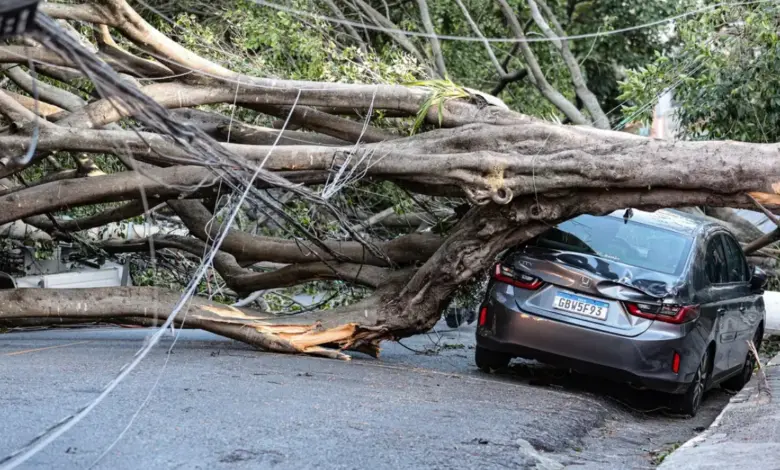
The destruction in Minas Gerais is not an isolated incident but part of a broader pattern of extreme weather affecting multiple regions of the country. Just weeks prior, a powerful extratropical cyclone battered eastern Brazil, bringing winds exceeding 100 km/h (62 mph) to parts of São Paulo on December 10, 2025. The storm left over 2 million customers without power by Thursday morning, including 1.5 million in São Paulo alone. Wind gusts reached 111 km/h in Greater São Paulo, downing hundreds of trees and power lines. The cyclone also triggered a landslide in Campos do Jordão, killing at least one person, while state civil defense responded to over 500 calls for assistance in the capital. The power disruptions extended beyond electricity, halting water pumps and affecting the water supply in parts of the city.
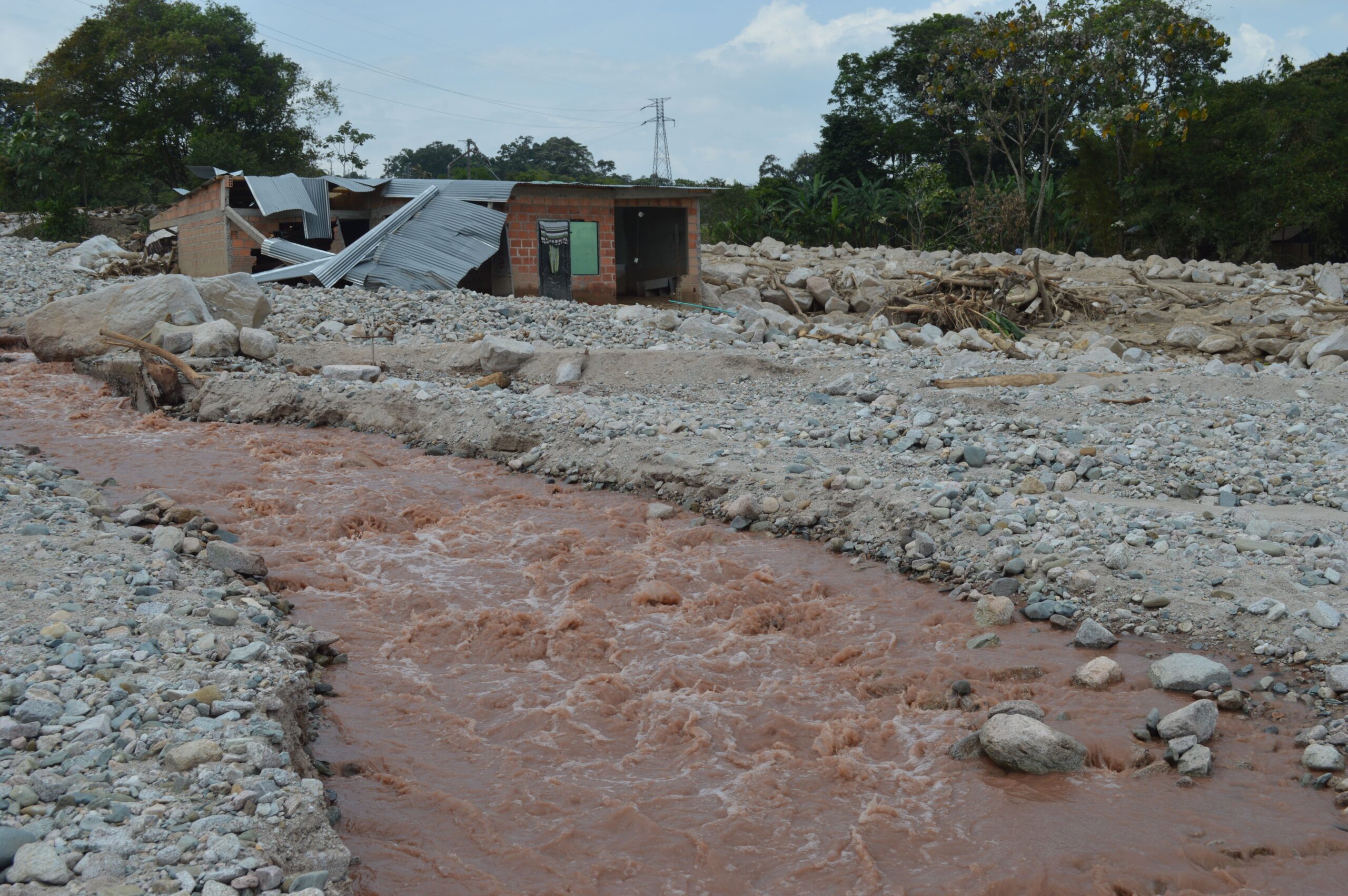
Simultaneously, northeastern Brazil faced its own crisis of extreme rainfall. In the states of Pernambuco and Paraíba, at least six people died and thousands were displaced over a two-day period of heavy rain. Flooding and landslides struck Recife and João Pessoa, with the National Center for Risk and Disaster Management raising its operational level to maximum alert. In the south, another extratropical cyclone triggered widespread flooding in Santa Catarina, turning streets into rivers and blocking major roads such as the BR-101. In Florianópolis, the Itaguaçu shopping tunnel was completely submerged, and partial collapses were reported in uninhabited houses.
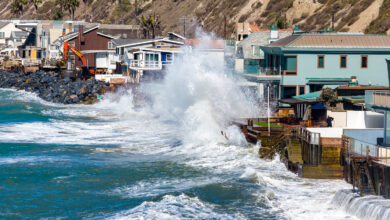
These events highlight a documented shift in Brazil’s climate patterns, where studies indicate that extreme rain has become more frequent. The cascading nature of these disasters—from the wind-driven cyclones in the south to the rainfall-induced floods in the north and east—places immense strain on emergency services and urban infrastructure. In São Paulo, over 200 traffic lights were knocked out by the cyclone, worsening congestion, while swells from the storm damaged coastal kiosks in Rio Grande do Sul. The combined impact has left a significant portion of the population without power, water, or safe housing, underscoring the urgent need for adaptation measures in the face of increasingly volatile weather systems.
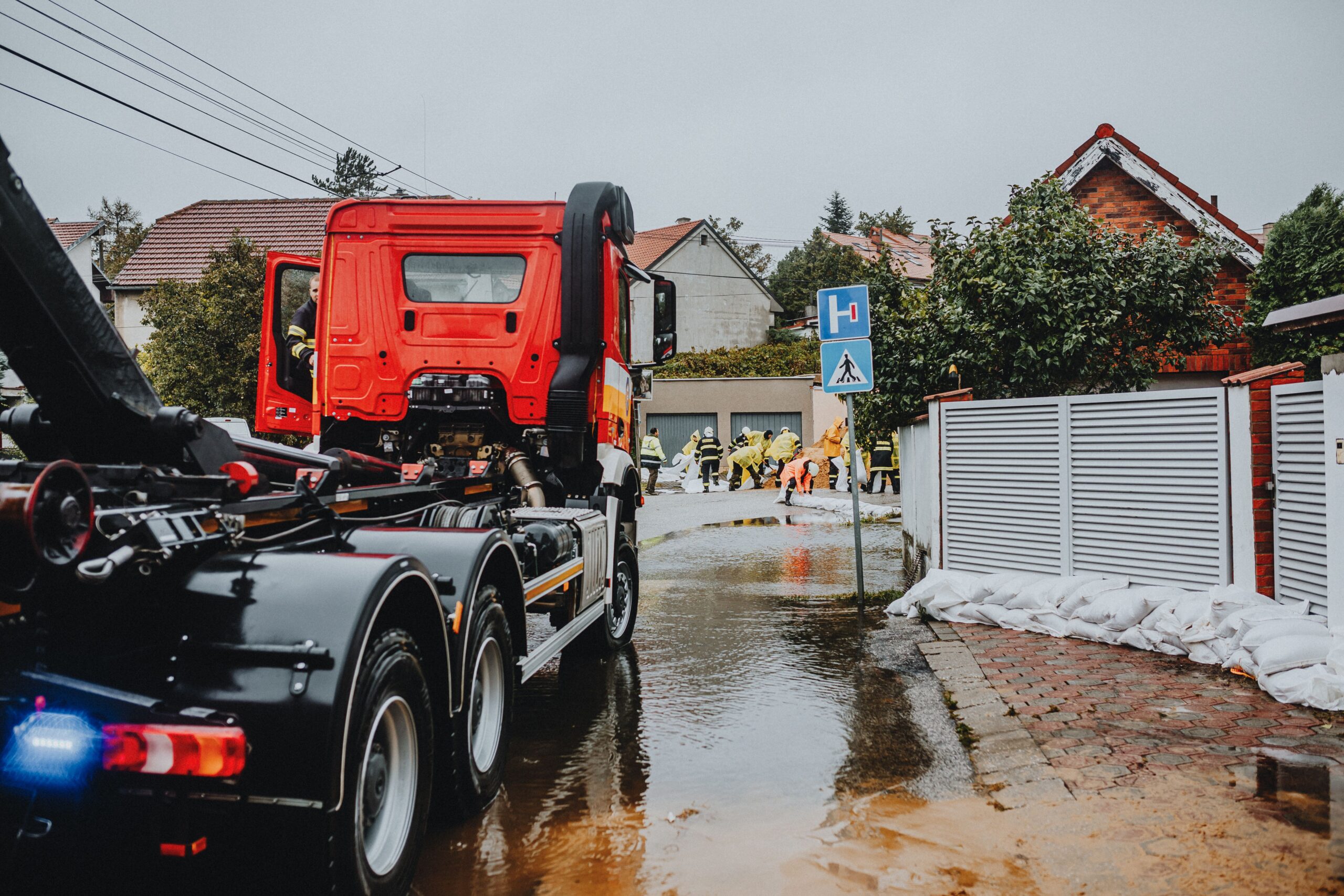
As rescue efforts continue in Juiz de Fora, the focus remains on locating the dozens of missing persons and providing immediate relief to those displaced. The convergence of these events across different regions of Brazil serves as a stark reminder of the widespread environmental pressures the country now faces, with each storm revealing new vulnerabilities in the nation’s capacity to withstand extreme weather.