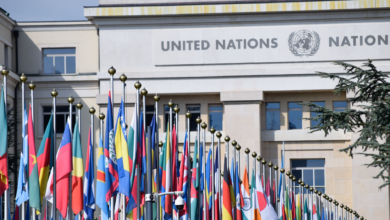

The primary focus of the discussions is the sharp increase in fuel costs, which has placed significant strain on consumer budgets and industrial operations across the bloc. The G7 summits typically address a broad range of geopolitical and economic issues, but this session has been specifically called to tackle the energy sector, reflecting the urgency with which member states view the current pricing trends.
While the specific details of the outcome are pending, the convening of such a high-level emergency meeting signals a coordinated approach to managing the crisis. The G7 has historically served as a forum for aligning policy responses to global economic shocks, including sanctions regimes, trade regulations, and energy security strategies. In this instance, the leaders are expected to consider measures that could stabilize supply chains or provide relief to affected economies.

Geopolitical Context
The G7 represents the largest advanced economies in the world, collectively accounting for a substantial portion of global GDP. Decisions made within this forum often have ripple effects on international markets, particularly in sectors dependent on energy stability, such as manufacturing, transportation, and agriculture. The group’s coordination on energy policy is closely watched by non-member nations, including the European Union, which participates in G7 discussions, and other emerging economies that may be indirectly affected by shifts in global energy pricing.
Recent geopolitical tensions and disruptions in energy supply routes have contributed to price fluctuations. The G7’s response may involve discussions on strategic reserve releases, regulatory adjustments, or diplomatic engagements with key energy-producing nations. However, any coordinated action requires consensus among the seven members, which can be a complex process given the diverse economic interests and political landscapes of each country.
The meeting underscores the interconnected nature of modern economies, where energy costs in one region can impact inflation rates and consumer confidence globally. As the leaders deliberate, markets and policymakers alike are awaiting signals on whether the G7 will prioritize short-term price stabilization or long-term energy security reforms. The outcome of this emergency session will likely influence subsequent policy decisions in member states and set the tone for international energy diplomacy in the coming months.
The next expected development is the release of a joint statement or detailed communiqué from the G7 leadership outlining the specific measures agreed upon, if any, to address the fuel price crisis.