The Kenyan project represents a significant strategic move for Aliko Dangote’s energy empire, directly following the operational success of the 650,000 bpd facility in Nigeria. That plant has fundamentally altered West Africa’s energy landscape, transforming Nigeria from a net importer of petroleum products into an exporter. However, the path to the Lamu refinery was not straightforward. Discussions regarding an East African refinery initially emerged in late April 2026, with early proposals considering Tanga, Tanzania, as the potential site. It was not until the Africa Forward Summit in May that the location was confirmed as Lamu. Dangote noted in an interview that the decision involved evaluating multiple sites across the region to determine the most suitable location. Notably, the refinery plan was not in place as of January this year, highlighting the rapid acceleration of the project over the past few months.
Legal challenges have, however, cast a shadow over the imminent construction timeline. A judge at the Malindi Environment and Land Court in Kenya issued an order to put the construction on hold. This judicial intervention introduces a layer of uncertainty to a project that was scheduled to begin immediately, though the groundbreaking ceremony proceeded on the announced date. The interplay between rapid industrial development and local environmental or land-use regulations remains a critical factor in the project’s near-term trajectory.
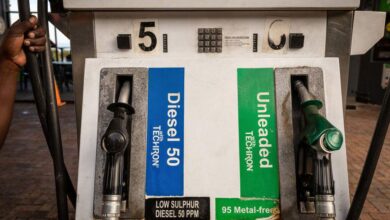
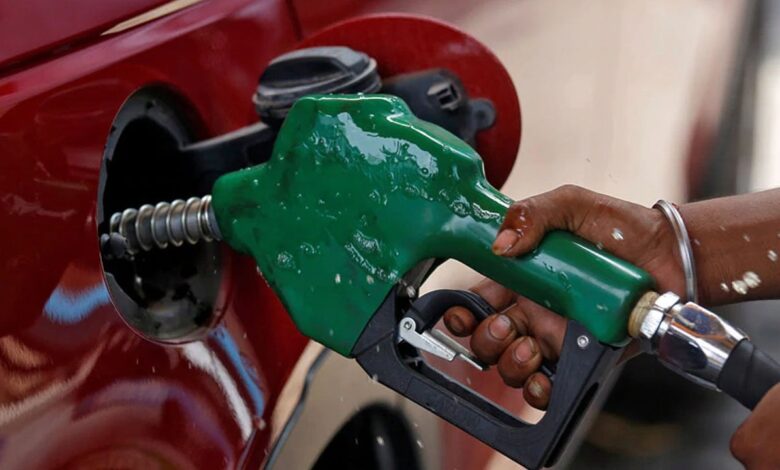
While attention in East Africa turns to the new construction, the immediate impact of the Dangote group’s operations is already reshaping the energy market in West Africa. In Nigeria, the increased supply from the Lagos refinery is exerting downward pressure on retail fuel prices. A market survey conducted on Friday indicated that filling stations in Abuja and its environs have reduced their petrol pump prices to remain competitive. Stations such as AA Rano and Ranoil lowered their prices by N20 per litre, bringing the cost to N1,400 from N1,420. This adjustment follows a similar move by Nigerian National Petroleum Company Limited (NNPCL), MRS, and Geregu stations, which set their prices at N1,370 per litre.
The current retail petrol price range in Abuja now stands between N1,370 and N1,430 per litre. This shift is a direct response to a N25 per litre reduction in the gantry petrol price at the Dangote Refinery, which brought the wholesale price down to N1,325. This price cut, implemented more than a week ago, triggered a cascade of adjustments across the national downstream sector. Industrial data from the Nigerian Midstream and Downstream Petroleum Regulatory Authority confirms that the Dangote Refinery supplied the majority of domestic fuel in Nigeria during August 2026. This dominance in market share gives the facility significant leverage over national pricing structures, as marketers adjust their margins to remain viable against the lower wholesale benchmark.
The dual developments in Lagos and Lamu illustrate a broader pattern of vertical integration and regional market consolidation. The success in Nigeria, characterized by a transition from import dependency to export capability and visible retail price adjustments, serves as the template for the Kenyan venture. As the $16 billion construction phase begins in Lamu, the focus will shift to how the new capacity integrates into East Africa’s energy grid and whether it can replicate the market impacts seen in West Africa. For now, the immediate energy security and affordability benefits are being felt in Nigeria, where the expanded supply base is steadily driving down consumer costs.