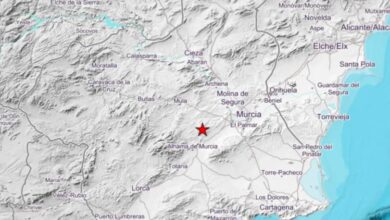
The United States Geological Survey (USGS) identified the epicenter of the quake in the Piru area, a location situated north of Simi Valley and west of Santa Clarita. While the magnitude of 3.8 is moderate and typically does not result in significant structural damage, the shallow depth of the event likely amplified the shaking felt by those on the surface. Residents in the affected region were roused from their evening routines by the sudden movement of the ground, a familiar yet unsettling experience for anyone living in a seismically active zone.
This specific earthquake is a localized event, but it underscores the persistent reality of tectonic activity in Southern California. The region is situated along several major fault systems, including the San Andreas and the San Jacinto, which create a constant low-level risk of seismic events. While a 3.8-magnitude quake is far less powerful than the major earthquakes the region has historically experienced, it serves as a tangible reminder of the geological forces at work beneath the urban sprawl. The fact that the quake was felt in both Ventura and Los Angeles counties highlights the interconnectedness of the region’s seismic profile; energy released in one area can propagate through the crust, affecting neighbors in adjacent jurisdictions.
In the immediate aftermath of such events, the focus shifts to public safety and preparedness. Local emergency management officials and media outlets have frequently reiterated the importance of having an earthquake kit ready. These kits, which typically include essentials such as water, non-perishable food, a flashlight, batteries, a first-aid kit, and a whistle, are designed to support individuals and families during the critical hours following a significant seismic event. The recurring nature of minor tremors like the one in Piru reinforces the message that preparation is not just for the hypothetical “big one,” but for the smaller, more frequent events that can disrupt daily life and cause minor injuries or damage.
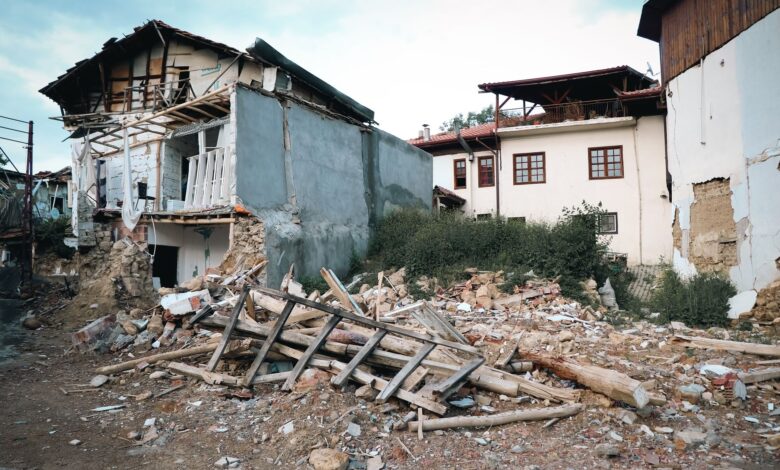
The impact of a 3.8-magnitude earthquake is generally limited to minor structural issues, such as cracked plaster or fallen objects from shelves, rather than catastrophic building failures. However, for individuals with pre-existing medical conditions or those who are elderly or disabled, the sudden jolt can pose physical risks. The shallow depth of 6.2 miles is a significant factor in how the energy is transmitted to the surface. In seismology, shallower earthquakes tend to cause more intense ground shaking at the epicenter compared to deeper earthquakes of the same magnitude, as the energy has less distance to dissipate before reaching the ground.
There is no indication of widespread infrastructure damage or utility interruptions resulting from this specific event. The USGS monitoring stations quickly captured the seismic data, providing precise timing and location details that allow scientists to track the activity of local faults. While this single event does not signal an imminent major earthquake, it is part of the normal background noise of the Pacific Northwest’s tectonic setting. Scientists continue to monitor these micro-tremors and moderate quakes to better understand stress accumulation along fault lines, though the precise timing of larger earthquakes remains unpredictable.
For the residents of Piru and the surrounding communities in Ventura and Los Angeles counties, the event was a brief but noticeable disruption. The community’s response was likely one of cautious reassurance, checking on neighbors and ensuring that safety protocols were in place. The incident serves as a practical test of local resilience and a prompt for individuals to review their emergency plans. In a region where earthquakes are an inevitable part of life, the ability to remain calm and prepared is as important as the engineering standards of buildings and infrastructure.
As night fell over the Santa Clarita and Simi Valley areas, the immediate effects of the quake subsided. The ground settled, and the temporary anxiety of the moment gave way to the routine of the evening. Yet, the event remains a documented instance of the area’s seismic character, a small data point in the larger, ongoing story of how human communities coexist with the dynamic geological forces of the Earth. The focus now returns to the daily rhythm of life, with the underlying awareness that the ground beneath is never truly still.