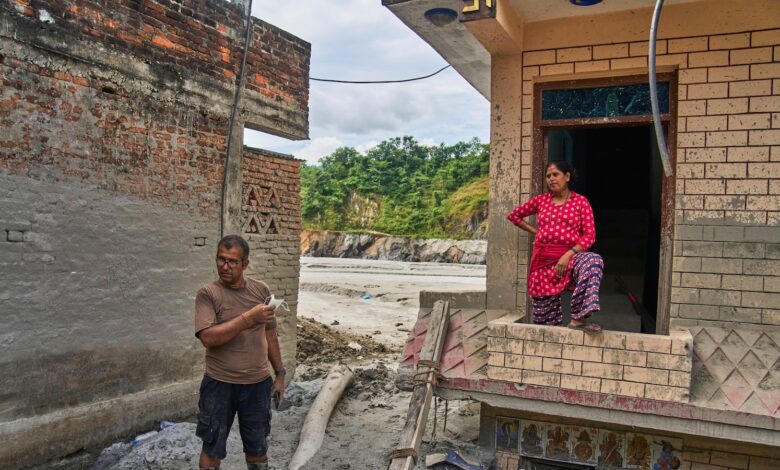
The disaster, which locals have referred to as a “Himalayan tsunami,” has killed nearly 1,400 people, with over 5,000 still missing. Many of the missing are believed to be trapped in six hydropower project tunnels. The collapse sent a torrent of water, ice, boulders, and sediment through communities along the Trishuli River corridor, causing billions of dollars in damage. Prime Minister Balendra Shah addressed the United Nations General Assembly on Thursday, describing the event as a warning to the world about growing climate risks in the Himalayan region. “Climate change does not recognize borders. Glaciers and floods do not travel with stamps and passports,” Shah said, appealing for greater international support and regional cooperation.
Complex causal factors
Scientists note that the event was not a single trigger but a complex series of failures. Walter Immerzeel, a mountain hydrologist at Utrecht University, stated that the failure occurred at an elevation of approximately 5,150 meters, driven by processes acting over timescales of years to decades. The disaster began with a large rock avalanche on the north face of Langtang Lirung, which caused a section of the glacier to collapse. This released roughly 110 million cubic meters of rock and glacier ice—equivalent to 44,000 Olympic swimming pools—hurtling down the mountain. The material fell about 1,400 meters to the valley floor, picking up additional debris and tearing up buried glacier ice, adding up to 30 million more cubic meters to the flow.
The WWA analysis highlights that near the failure site, the glacier’s edge had retreated only 75 meters between 1964 and 2000. However, between 2010 and 2026, retreat accelerated dramatically, with the glacier receding another 373 meters. This stripped away the ice supporting the rock wall above. Additionally, permafrost between 4,500 and 5,500 meters in elevation began to thaw, further destabilizing the mountain. Ben Clarke, a climate researcher at Imperial College London involved in the analysis, noted that while it is impossible to determine if the collapse would have occurred without climate change, the “fingerprints of climate change are still clear to see in long-term changes.”
Other factors also contributed to the instability. The 2015 magnitude-7.8 earthquake is believed to have weakened the rock mass, priming the slope for failure. In the immediate run-up to the collapse, conditions were extreme; July and August were the warmest on record in the area, with climate change adding approximately 1.5 degrees Celsius to regional temperatures. On the day before the disaster, maximum temperatures were approximately 7 degrees Celsius above the reference mean. An unusually snowy October in 2025 likely also generated additional meltwater.
Challenging recovery efforts
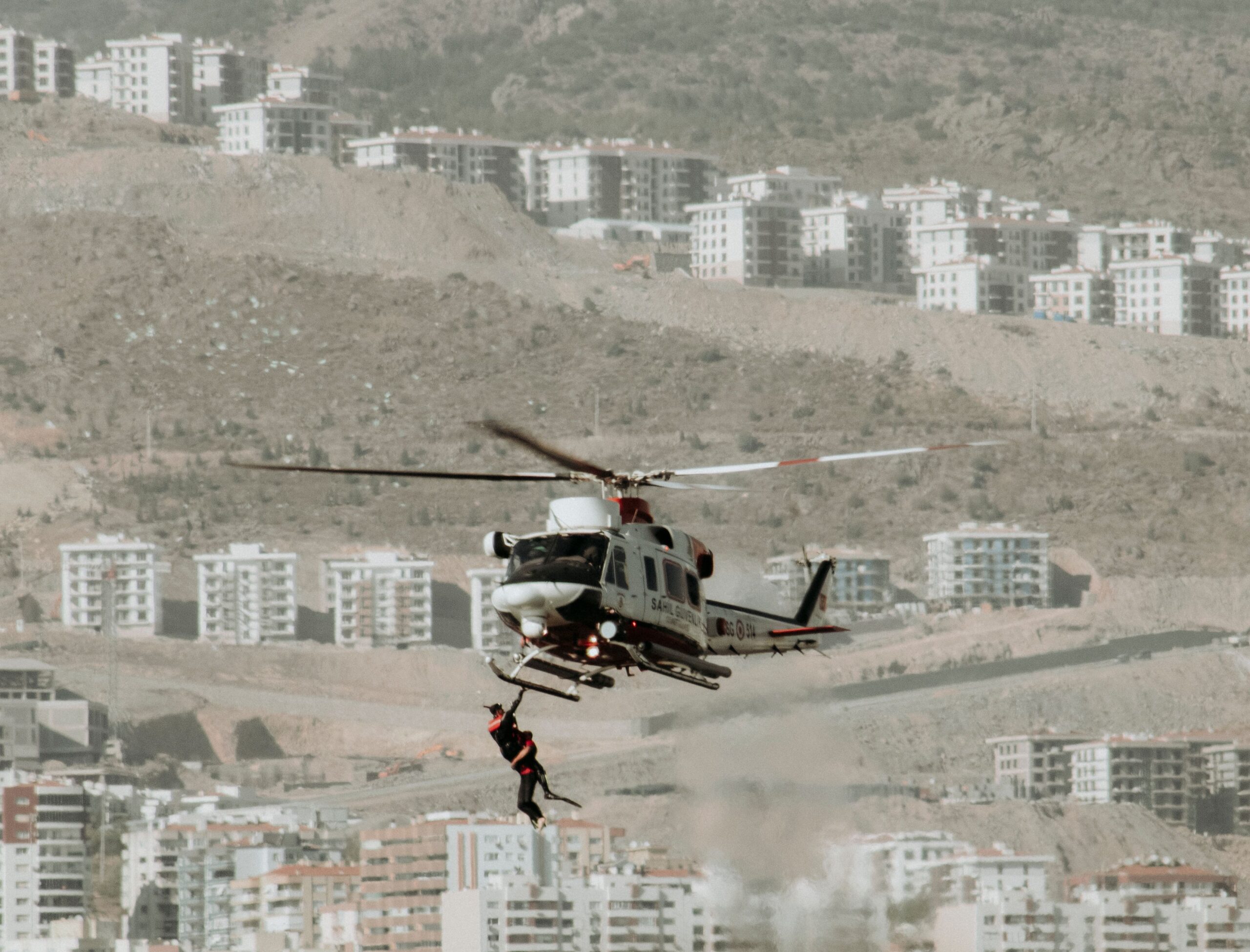
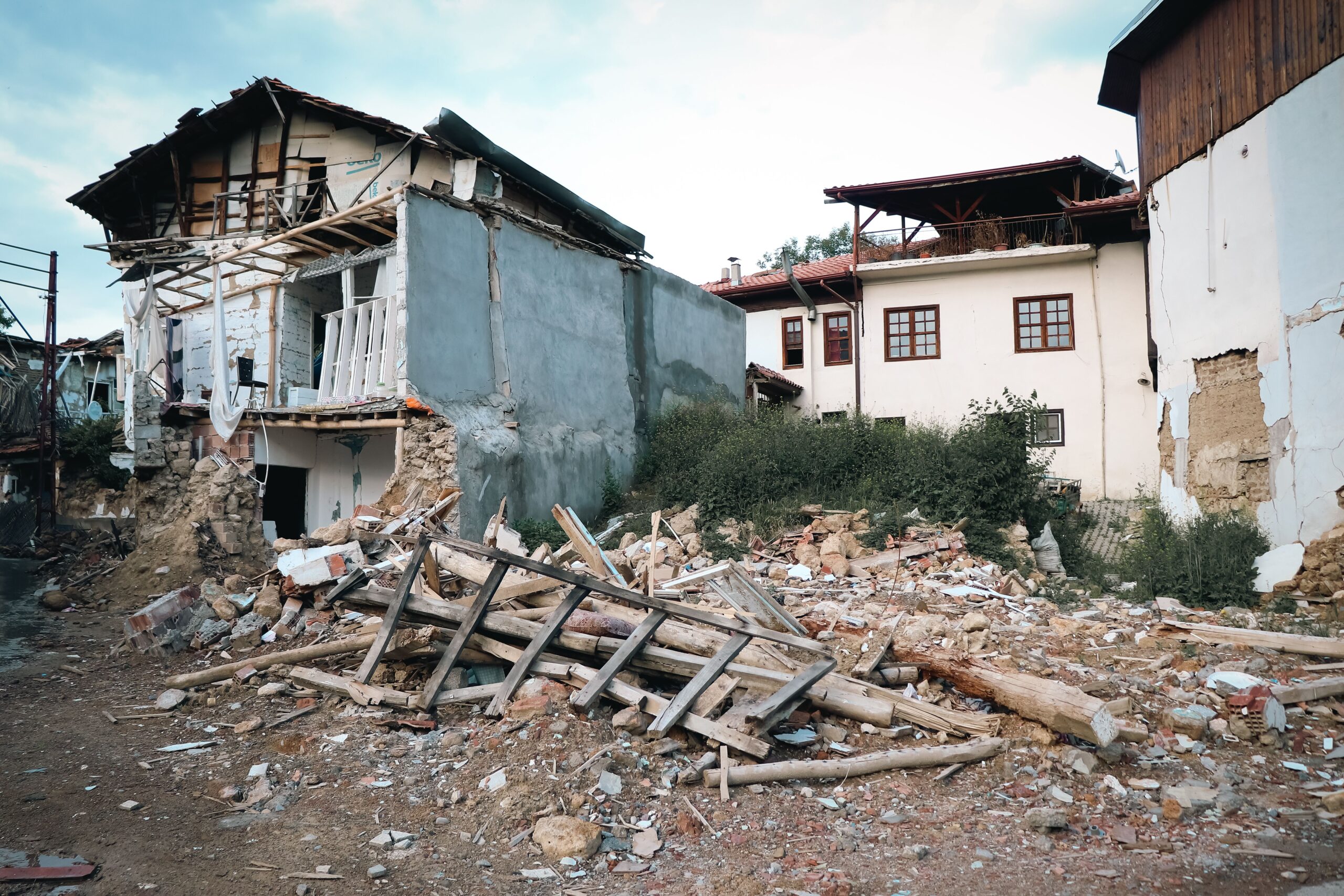
The scale of the geomorphic change has made recovery particularly difficult. Unlike the 2015 earthquake, where buildings could be rebuilt in the same locations, the August floods buried river valleys in mud and silt, rendering some communities impossible to rebuild in place. Aid organizations face significant logistical hurdles, with destroyed roads blocking access to food, shelter, and medical care. In one instance, a medical mission to Kalika Rural Municipality took nearly 12 hours, twice the usual journey time. Hospitals have had to deploy doctors by helicopter to support displaced populations, addressing both acute injuries and the interruption of chronic disease medications.
Researchers also determined that the event was uniquely difficult to detect with existing systems. Nepal’s early warning infrastructure is designed for forecastable, rainfall-driven floods, not for quickly developing, cascading geological events like this one. As the government faces a long and costly reconstruction, the scientific findings underscore the increasing vulnerability of Himalayan communities to climate-induced instability.