The state of emergency designation enables the provincial government to access additional funding and resources, including support from federal agencies and other provinces. It also grants authorities enhanced powers to manage emergency response operations, such as directing evacuations and deploying personnel to critical zones. The primary objective is to ensure the safety of residents and to mitigate the impact of the fires on communities and infrastructure.
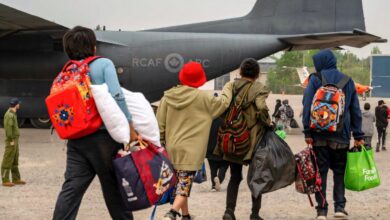
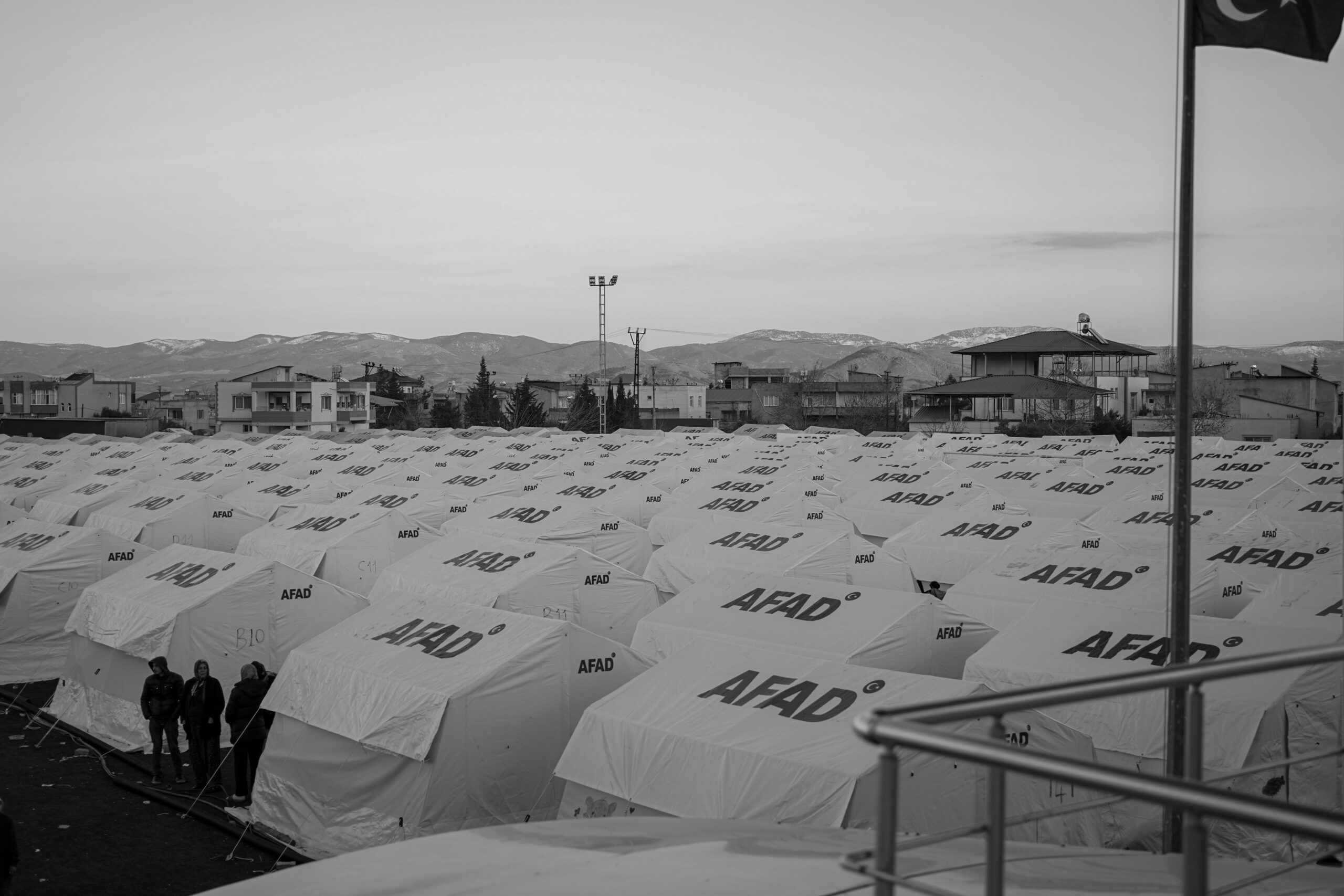
Over 20,000 individuals have been required to evacuate from their homes as the fires spread through residential and rural areas. Evacuation orders have been issued for several communities, with residents being directed to seek shelter in designated emergency centers or with relatives outside the danger zones. The high volume of displaced persons has placed significant strain on local shelter services and emergency logistics, prompting a coordinated response between local, provincial, and potentially national authorities.
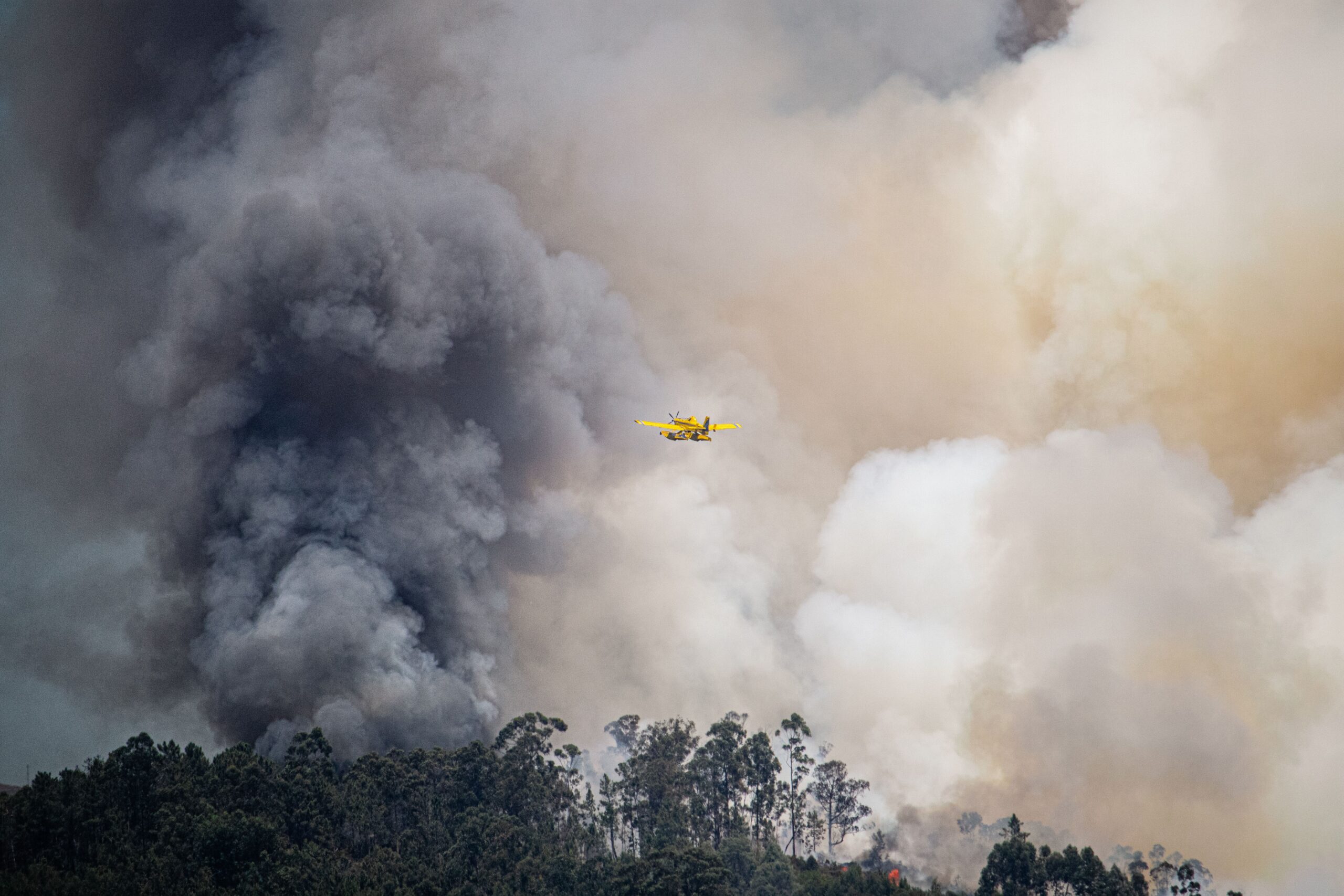
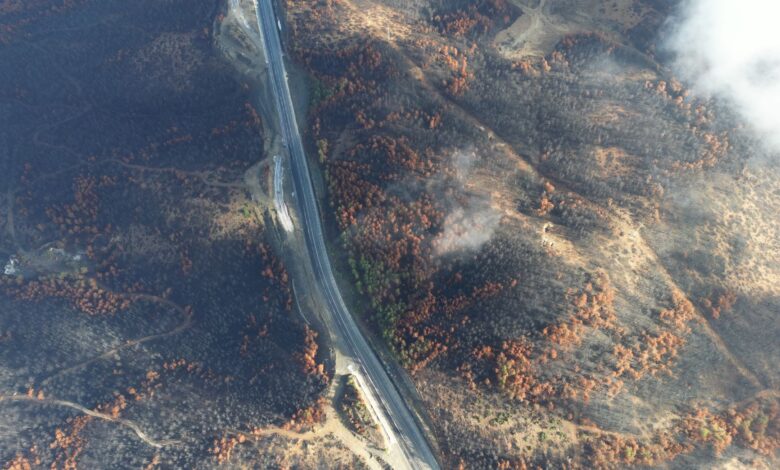
The wildfires have burned through large tracts of land, destroying structures and threatening additional neighborhoods. Firefighters and emergency crews are working around the clock to create containment lines and protect remaining structures. However, the severity of the fires and the challenging terrain have made containment efforts complex and ongoing. The situation remains dynamic, with new evacuation orders likely as the fires continue to shift and expand.
This event marks a significant escalation in the wildfire season for British Columbia. The declaration of a state of emergency underscores the unprecedented scale of the threat and the need for a unified, high-level response. Provincial leaders have emphasized the importance of public compliance with evacuation orders and have urged residents to stay informed through official channels. The focus remains on protecting lives and minimizing loss as the crisis continues to unfold.
As the fires persist, authorities are monitoring weather patterns closely, as dry and windy conditions can accelerate the spread of flames. The next phase of the response will likely involve sustained firefighting efforts, expanded evacuation zones if necessary, and increased support for displaced residents. The provincial government will provide regular updates on the status of the fires, evacuation orders, and resource deployment to keep the public informed.
The declaration serves as a formal recognition of the severity of the situation, allowing for a more flexible and robust emergency management framework. It facilitates the sharing of resources across jurisdictions and ensures that all levels of government are aligned in their response. The situation highlights the growing challenges posed by extreme weather events and the critical need for preparedness and coordination in managing large-scale wildfires.
Residents in affected areas are advised to follow official instructions and remain vigilant. The state of emergency will remain in effect until authorities determine that the immediate threat has been sufficiently managed. Ongoing assessments will guide the duration and scope of the emergency measures, with the ultimate goal of restoring safety and stability to the impacted communities.