The commissioning of this facility comes at a pivotal moment for Vietnam’s energy security. The Ministry of Industry and Trade has issued an early warning that if power generation and grid projects continue to face delays, the country will face an installed capacity gap of 4.2 million kilowatts in the industrial zones of northern Vietnam next year. This shortfall is projected to result in a power shortage of approximately 2.9 billion kilowatt-hours, a deficit that poses significant risks to the reliability of supply for major manufacturing hubs.
Structural imbalances in the power system have long constrained Vietnam’s industrial expansion. While a significant portion of the country’s generation capacity is concentrated in the south—relying on hydropower in the Mekong Delta and coal and gas plants along the southern coast—major foreign-invested factories are clustered in the north, particularly in Bac Ninh, Bac Giang, and Haiphong. These locations were chosen for their logistical proximity to China, facilitating the rapid replenishment of upstream parts for global supply chains.
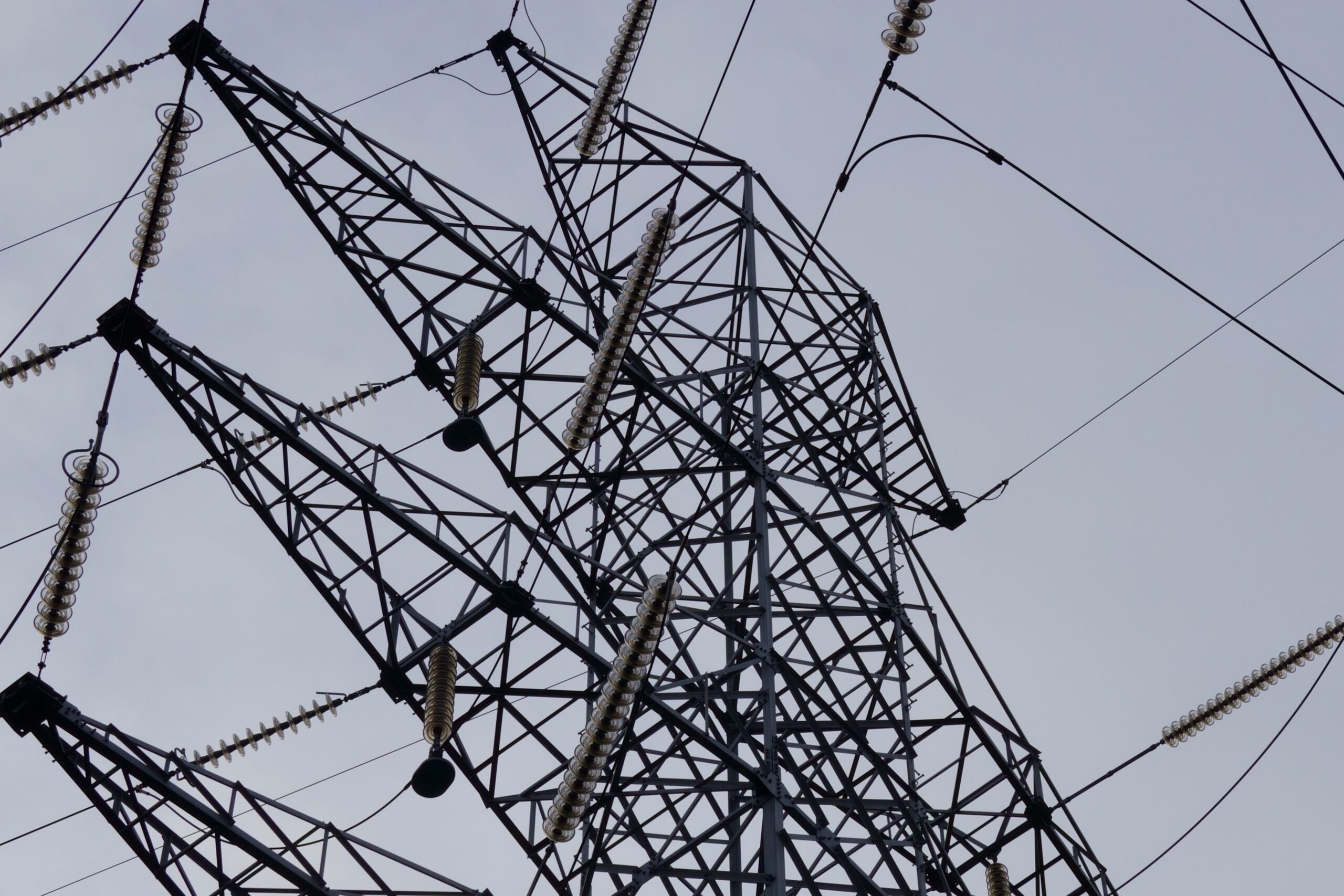
However, the capacity of cross-regional transmission lines between the north and south has reached its limits, preventing sufficient power from being transferred from the south to meet northern demand. In the past, this mismatch has led to severe operational disruptions. During the 2023 power shortage, the gap in the northern region rose to 30%, prompting power restriction notices for more than 11,000 enterprises. Major manufacturers, including Foxconn, Samsung, and Canon, faced mandated reductions in power quotas and significant financial losses due to production interruptions and reduced line efficiency.
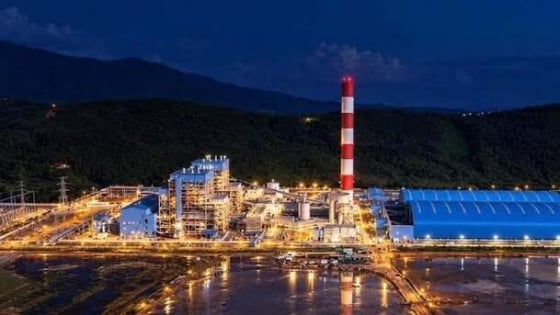
Quang Trach 1, owned by Vietnam Electricity (EVN) and managed by Electricity Project Management Board 2 (EVNPMB2), is designed to alleviate these pressures. Construction began in December 2021, with a total investment exceeding 42 trillion VND (approximately $1.62 billion). Unit 1 was the first to connect to the grid on April 12 and reached 100% of its rated load of 701.5 MW on August 13. With both turbines now synchronized, the plant is expected to generate roughly 8.4 billion kilowatt-hours of electricity annually once fully operational.
This output represents approximately 2.3 to 2.4% of Vietnam’s projected total electricity output and imports of 350 billion kilowatt-hours in 2026. Despite the addition of new coal capacity, coal-fired power remains the dominant source of electricity in the country. In the first eight months of 2026, coal generated 119.24 billion kilowatt-hours, accounting for 50.6% of total production and imports, while hydropower contributed 58.62 billion kilowatt-hours, or 24.9%.
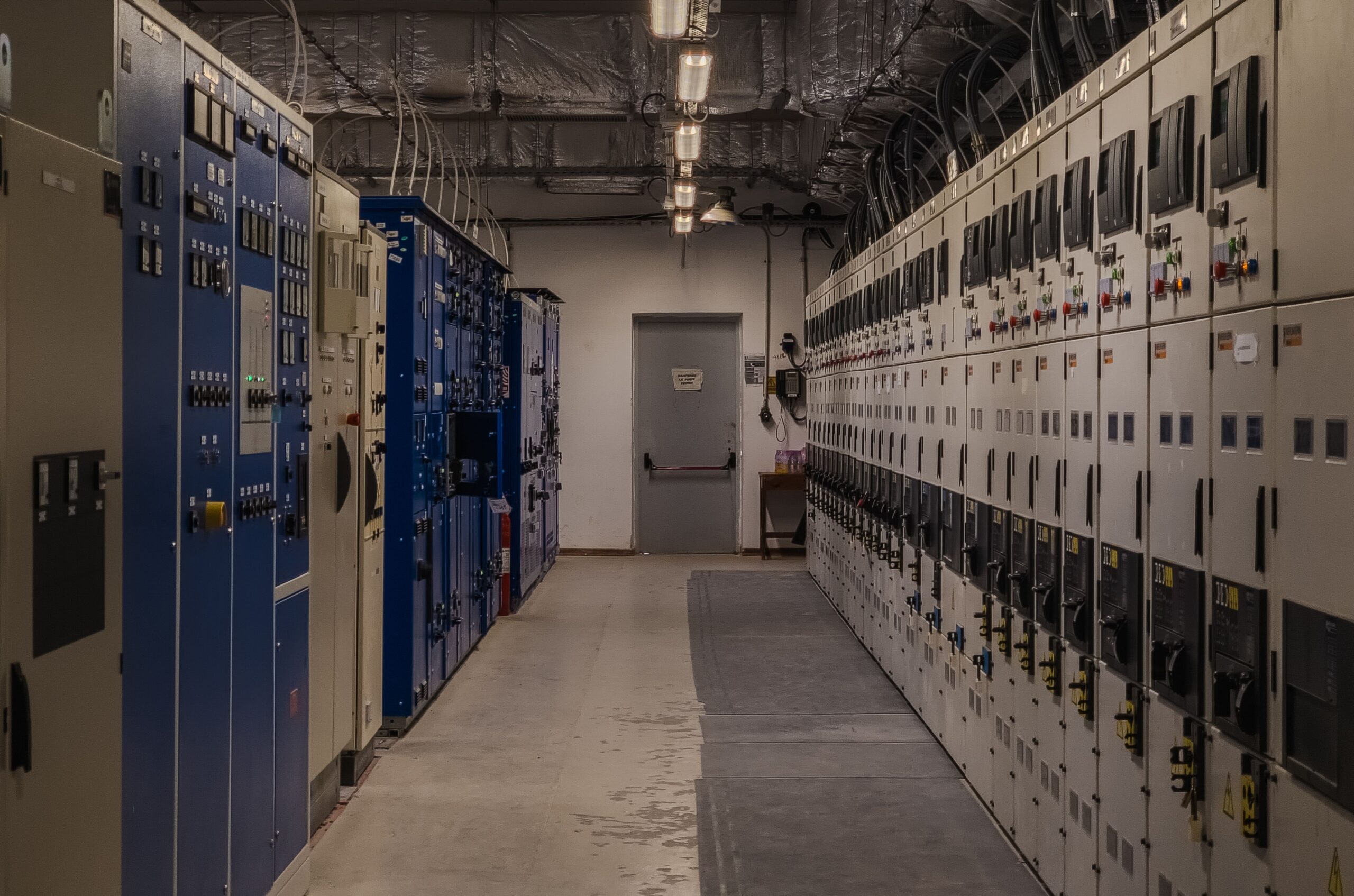
Looking beyond immediate coal capacity, Vietnam is also advancing projects to diversify its energy mix. In June 2026, EVN secured an order from GE Vernova for two 9HA.02 gas turbines and two H78 generators for the Quang Trach II LNG Power Plant, located in the same Hon La Economic Zone in Quang Tri province. This combined-cycle plant, developed by an EPC consortium including Power Construction Corporation of China and LILAMA Corporation, is expected to generate more than 1.6 gigawatts of electricity with commercial operations targeted for 2030.
The integration of LNG capacity aims to provide more flexible and efficient generation to complement the increasing share of renewable energy on the grid. However, the path to a stable and affordable power supply remains complex. Current challenges include delayed generation projects, challenging hydrological conditions, and declining domestic gas production, while new gas supplies have been slow to come online. Additionally, prolonged price controls intended to attract foreign investment have strained power enterprises, limiting their capacity to fund expansion. As the Quang Trach 1 plant undergoes final testing, the focus remains on how these new generation assets can effectively bridge the gap between northern industrial demand and the physical constraints of the transmission infrastructure.