However, the diplomatic push for a gas-free future contrasts sharply with developments within Germany’s own energy sector. Domestic critics, including the Fridays for Future movement, have taken to the streets in recent weeks to protest what they describe as policies benefiting the fossil fuel sector rather than hastening its demise. These demonstrations highlight a growing disconnect between Germany’s international climate advocacy and its domestic legislative agenda. Greenpeace Germany head Martin Kaiser noted that while the federal government is developing plans for a world without oil, gas, or coal as part of the “coalition of the willing,” its energy, heating, and transport policies are actively holding back this transition.
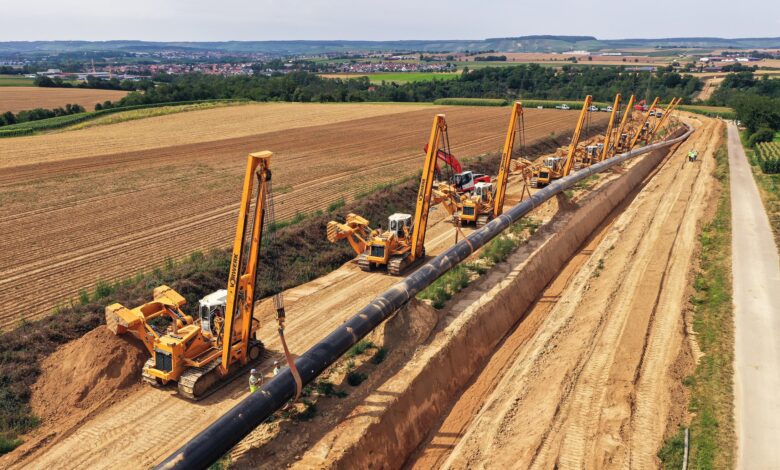
The central conflict lies in the infrastructure and regulatory frameworks currently being advanced. The ruling coalition of Chancellor Friedrich Merz has committed to climate neutrality by 2045, with the expansion of renewable energy identified as the most crucial measure. Yet, this commitment coexists with plans for new gas-fired power plants, supported by state tenders, and the allowance for new gas extraction in the North Sea. Furthermore, the government intends to drop a renewable energy obligation in the heating sector, replacing it with an increasing share of biofuels and hydrogen. Critics argue these policies risk locking in fossil fuel infrastructure for decades, complicating long-term decarbonization efforts.
Technical and economic analyses underscore the complexity of this transition. “Natural gas,” primarily methane (CH4), is a greenhouse gas significantly more potent than carbon dioxide over short time horizons. Beyond the CO2 emitted during combustion in boilers and power stations, methane leaks during production, liquefaction, and transport add to the total climate footprint. Official emissions projections by the German Environment Agency (UBA) indicate that additional measures are required to ensure the country meets its climate targets, a conclusion reinforced by the fact that gas demand has already fallen significantly due to the COVID-19 pandemic and subsequent energy crises.
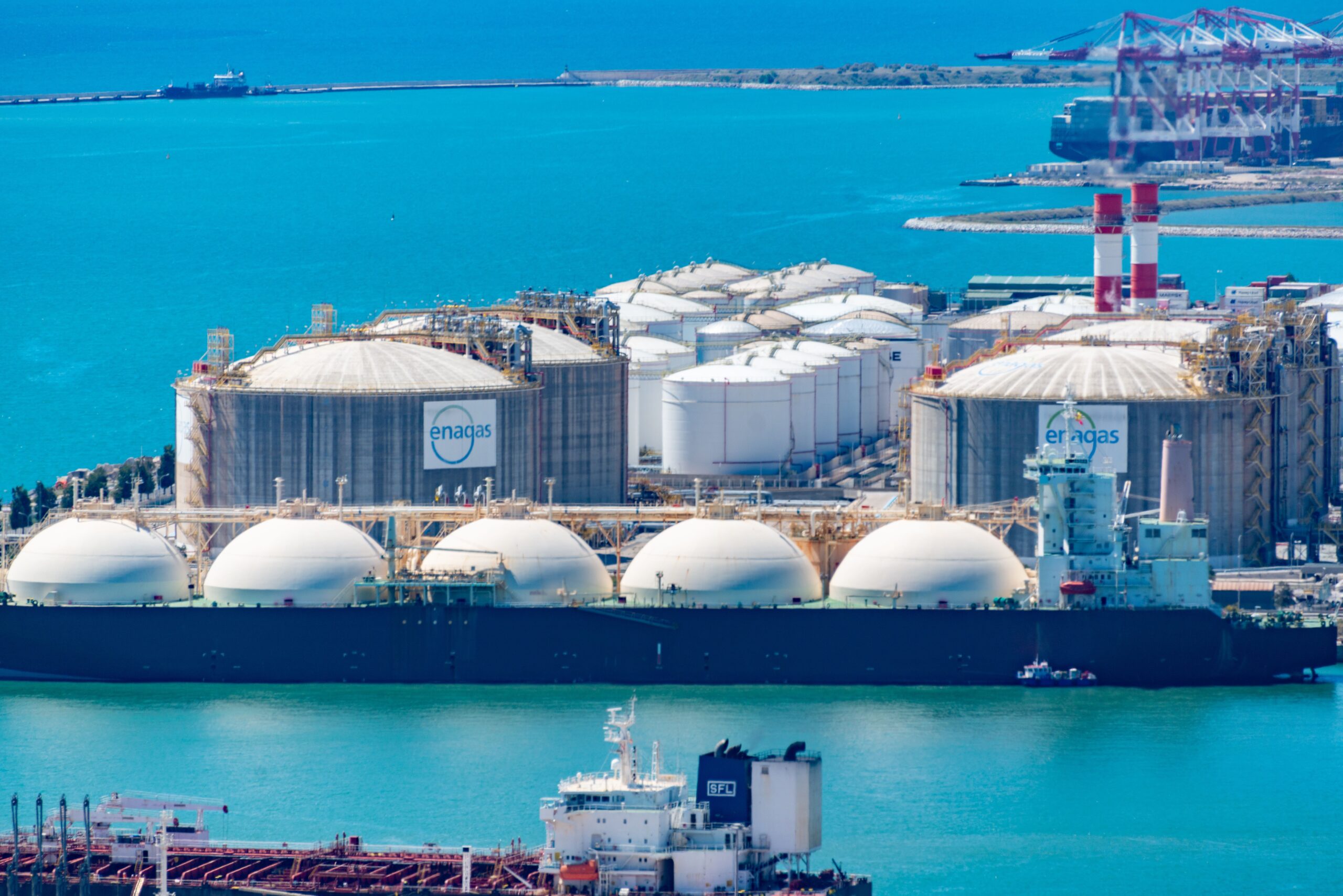
Despite these challenges, the state-owned energy company Securing Energy for Europe (SEFE) announced a tentative deal in May to purchase one million tonnes of liquefied natural gas (LNG) annually from a Canadian supplier. Deliveries are expected to begin in the early 2030s, with a contract duration of up to 20 years. SEFE justified the agreement by arguing that Europe will continue to require gas supplies to meet industrial demand and complement renewable generation. The company highlighted the “free-on-board” (FOB) delivery terms, which provide flexibility in managing supply chains. This long-term procurement strategy sits in direct tension with the government’s stated goal of phasing out fossil fuels, illustrating the difficulty of balancing immediate energy security with long-term climate objectives.
The path forward remains uncertain. While the government argues that current policies are designed to reduce the costs of the transition, opponents contend that investing in new gas infrastructure contradicts the urgency of the climate crisis. The divergence between the “coalition of the willing” stance abroad and the domestic support for gas expansion creates a complex political and technical landscape. As Germany navigates these competing priorities, the resolution of how to handle heating transitions, grid access regulations, and state support for renewables will determine whether the country can genuinely advance its exit from fossil gas or remains tethered to the fuel for the coming decades.