

The primary mode of transmission for hepatitis A is faecal-oral contact, often through contaminated food, water, or inadequate hand hygiene. In response to the outbreak, health authorities have written to families of primary school-age children in the area, emphasizing that thorough handwashing with soap and water is the most effective method to prevent further spread. Specific guidance directs parents to ensure children wash their hands after using the toilet, changing nappies, and before preparing or consuming food.
A significant concern in this outbreak is the asymptomatic nature of the virus in younger demographics. Susan Mably, a consultant in health protection, noted that some young children who are infected may not display any visible symptoms but can still transmit the virus to others. “Parents and carers should help and remind young children to wash their hands properly,” Mably said, highlighting the role of caregivers in breaking the chain of infection.

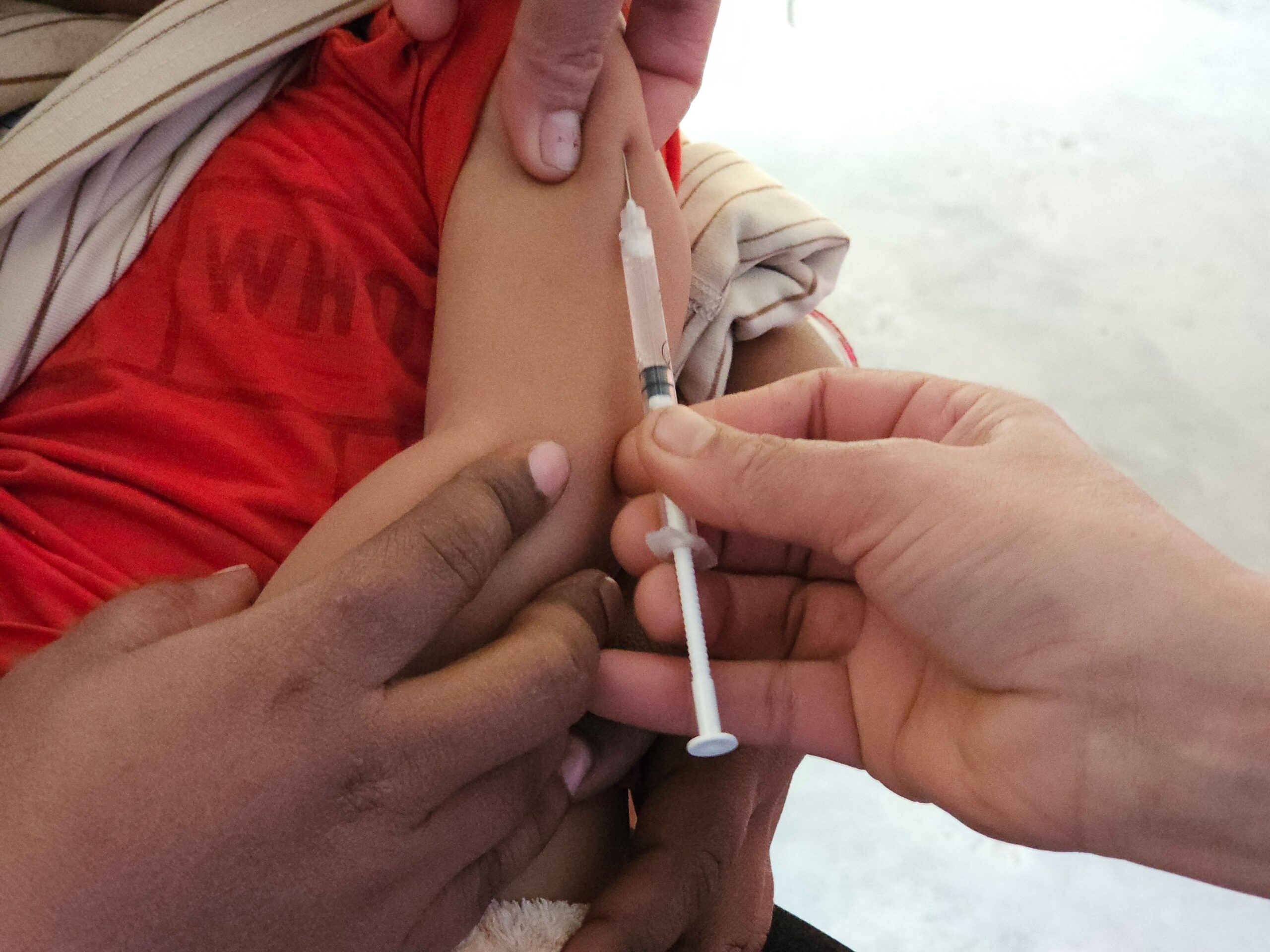
To control the outbreak, a targeted vaccination campaign has been launched for children aged five and under who live in Barry or attend local childcare settings. Free vaccines are being offered at Barry Hospital between Tuesday, 18 August, and Saturday, 22 August 2026. Eligible families are receiving invitations via letter or text message from Cardiff and Vale University Health Board. Dr Chris Williams, a consultant epidemiologist at Public Health Wales, explained that focusing on this age group is a strategic move to stop transmission. “The easiest place for it to spread from is from with young children under the age of six and so if we can vaccinate that age group that will prevent the transmission from those children and stop the spread,” Williams stated.
Individuals identified as close contacts of confirmed cases have also been offered precautionary vaccinations. While most infections are self-limiting, with symptoms typically clearing within two to six months, health officials caution that the virus can cause severe illness in individuals with underlying liver conditions. Symptoms of hepatitis A include fever, fatigue, loss of appetite, nausea, abdominal pain, dark urine, and jaundice (yellowing of the eyes or skin).
Hepatitis A cases in the United Kingdom have been on an upward trend. While the country historically recorded approximately 400 cases annually, more than 800 cases were recorded in 2024. Most of these infections are linked to travel or food imports from regions where the disease is more common. However, the current outbreak in Barry appears to be a local community transmission event. Health officials are continuing to work with local parents to trace how the infection was passed on and to ensure appropriate public health measures are in place. Those experiencing symptoms such as fever, fatigue, or jaundice are advised to contact their GP or NHS 111 for assessment.
In the past, similar outbreaks have required significant public health interventions. In 2019, Palmerston primary school in Barry was temporarily closed for deep cleaning after five reported cases. Additionally, in the previous year, 98 people in the UK fell ill and 58 were hospitalized due to hepatitis A, believed to be linked to a contaminated supermarket product. As the Barry outbreak continues, health bodies are monitoring the situation closely, with the next critical milestone being the completion of the vaccination window in August and the subsequent assessment of case numbers to determine if further containment measures are necessary.