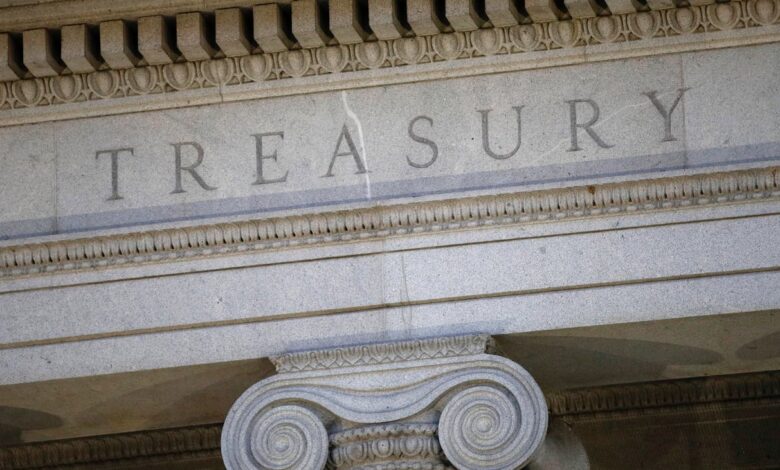
The sanctions target Victor Henrique de Oliveira Shimada and Stella Stefanie Nunes Henrique de Oliveira. Alongside them, the Treasury added three Brazilian companies to the sanctions list: Victory Trading Intermediação de Negócios Cobranças e Tecnologia, Pixwave Soluções de Pagamento, and Wave Construções Inteligentes. A Portuguese company, Avenidas Flutuantes Unipessoal, was also designated. According to the Treasury, these four companies were owned, controlled, or directed by Shimada, or acted on his behalf in facilitating illicit financial flows.
The U.S. government stated that the network operated between Florida and São Paulo, laundering drug trafficking proceeds and sending funds to the PCC in Brazil. The Treasury alleged that Shimada and his organization laundered more than $30 million generated in U.S. cities, utilizing cryptocurrency to move the funds across the border. In a public statement, the U.S. government described the PCC as the largest transnational criminal organization in the Western Hemisphere, characterizing it as a growing threat to U.S. national security.
Contextualizing the Designation
This enforcement action comes weeks after the Trump administration began treating the PCC as a terrorist organization. The designation has shifted the diplomatic and security framework surrounding the group, allowing for broader sanctions and legal measures against its financial and operational networks. By targeting specific individuals and corporate entities, the U.S. aims to disrupt the flow of capital that sustains the PCC’s operations both within Brazil and internationally.

Stella Stefanie Nunes Henrique de Oliveira, described by the Treasury as a relative and close associate of Shimada, allegedly worked as his secretary. The Department stated that she brokered bulk cash pickups, providing logistical support for the laundering operations. These specific allegations highlight the structured nature of the network, which relied on close associates to manage physical cash handling and financial transfers.
Shimada’s name has previously appeared in Brazilian money laundering investigations dating back to 2024. Brazilian media outlets reported that São Paulo prosecutors charged him in a case involving the purported diversion of funds from a sponsorship contract between a soccer club and a betting company. It is important to note that this specific Brazilian investigation does not accuse Shimada of being a member of the PCC, although the U.S. Treasury links his activities to the organization’s financial ecosystem. The dual legal exposure in both U.S. and Brazilian jurisdictions underscores the complex, cross-border nature of the alleged criminal enterprise.
The use of cryptocurrency to move over $30 million from U.S. cities to Brazil illustrates the evolving methods employed by transnational criminal groups to evade traditional financial surveillance. By utilizing digital assets, the network allegedly bypassed conventional banking channels, making the funds more difficult to trace before the Treasury’s intervention. The inclusion of a Portuguese company in the sanctions list suggests that the network may have utilized European jurisdictions as part of its financial infrastructure, expanding the geographic scope of the alleged laundering scheme.

The U.S. designation of the PCC as a terrorist organization marks a notable shift in how Washington approaches organized crime in the region. While traditionally a law enforcement matter, the terrorist designation elevates the threat level and allows for more stringent financial penalties and international cooperation mechanisms. However, the effectiveness of these measures depends on the ability of both U.S. and Brazilian authorities to coordinate investigations and enforce asset seizures across borders.
The next phase of this case will likely involve the continued monitoring of the sanctioned entities and potential legal proceedings in both the United States and Brazil. The unresolved issue remains the full extent of the PCC’s financial reach and whether further actors within the network will be identified and sanctioned in subsequent actions by the U.S. Treasury and allied agencies.