The Nature of Neutrino Detection
Neutrinos are often described as “ghost particles” because they interact so weakly with matter that they pass through the Earth—and the human body—without a trace. Unlike photons, which can be absorbed or blocked by interstellar dust, neutrinos can travel vast distances across the universe unimpeded. This property makes them invaluable messengers from extreme cosmic events, such as supernovae, black hole mergers and active galactic nuclei. However, their very elusiveness makes them extremely difficult to detect. To observe a significant number of these particles requires vast volumes of sensitive detector material, which has historically posed a major engineering challenge.
Prof. Halzen’s Contribution
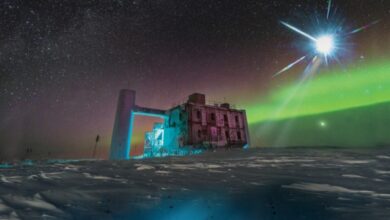
Professor Halzen’s work focused on the development of practical and effective methods for constructing large-scale neutrino telescopes. His research was pivotal in establishing the techniques necessary to build observatories capable of capturing the faint signals produced when high-energy neutrinos interact with matter. By solving key technical hurdles related to detector sensitivity and scale, his work laid the groundwork for the next generation of neutrino observatories. These facilities allow scientists to map the sources of high-energy neutrinos, providing data that complements observations made through traditional electromagnetic radiation (such as light, X-rays, and radio waves) and gravitational wave detectors.
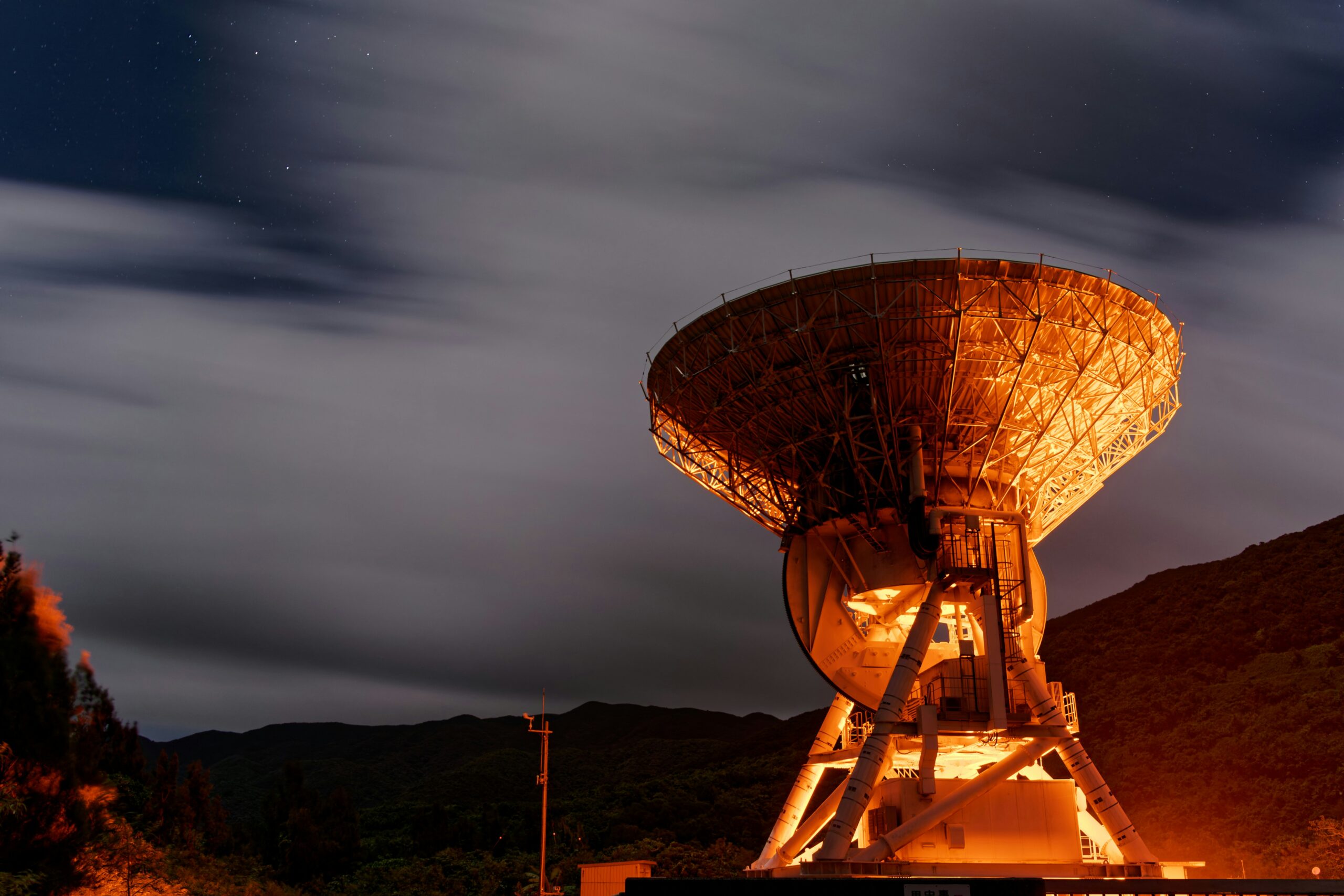
The recognition of Halzen’s work underscores a broader shift in astrophysics toward “multi-messenger astronomy.” This approach involves observing cosmic phenomena through different types of physical messengers. While light has long been the primary tool for astronomers, neutrinos offer a unique perspective, allowing researchers to probe regions of the universe that are opaque to visible light and to study processes that are otherwise hidden or obscured.
Significance for High-Energy Physics
The ability to detect high-energy neutrinos has practical implications beyond pure astronomy. It provides insights into the fundamental laws of physics, including the behavior of matter under extreme conditions and the origins of cosmic rays. By identifying the sources of these particles, scientists can test theories about particle interactions and the structure of the universe at its most energetic scales.

Professor Halzen’s award highlights the importance of long-term, large-scale experimental infrastructure in driving scientific discovery. The development of neutrino observatories is a testament to international scientific collaboration and the engineering ingenuity required to push the boundaries of what can be observed. As technology continues to improve, the sensitivity of these detectors is expected to increase, potentially revealing a more detailed and comprehensive map of the high-energy universe in the coming years.
The Nobel Committee’s decision to recognize this work marks a significant milestone in the field of particle astrophysics, acknowledging that the ability to “see” with neutrinos has transformed from a theoretical possibility into a robust observational tool.