

The proposed increase would be the first upward price adjustment since a nearly 29% cut in February, which followed a surge of more than 60% at the opening of the 2025/26 season. Industry officials have noted that the gap between Ghanaian and Ivorian prices has become a critical factor in cross-border trade flows. Ivory Coast, the world’s largest cocoa producer, set its 2026/27 main crop price at 1,200 CFA francs per kilogram on September 1, unchanged from its prior mid-crop rate. Converted to comparable terms, Ghana’s proposed price works out to roughly 75 to 80 percent higher than Ivory Coast’s. This creates a premium of close to $1,700 per tonne, well above the roughly $400 per tonne threshold that industry officials say typically triggers a sharp jump in cross-border smuggling.
Smuggling has already been a significant issue in the region. An estimated 160,000 tonnes of Ghanaian cocoa were illegally moved into Ivory Coast and Togo during the 2025/26 season when Ghana’s price fell below regional levels. A wider price gap in the opposite direction now raises the risk that beans could move in the reverse direction to capture the higher Ghanaian price, complicating efforts by both countries to track and tax their own crops. The move also impacts the financial health of the sector, as buying companies are reportedly owing Ghanaian banks several hundred million dollars. Any price increase raises the amount these entities must finance, even as some struggle to pay farmers on time for the previous season’s crop.
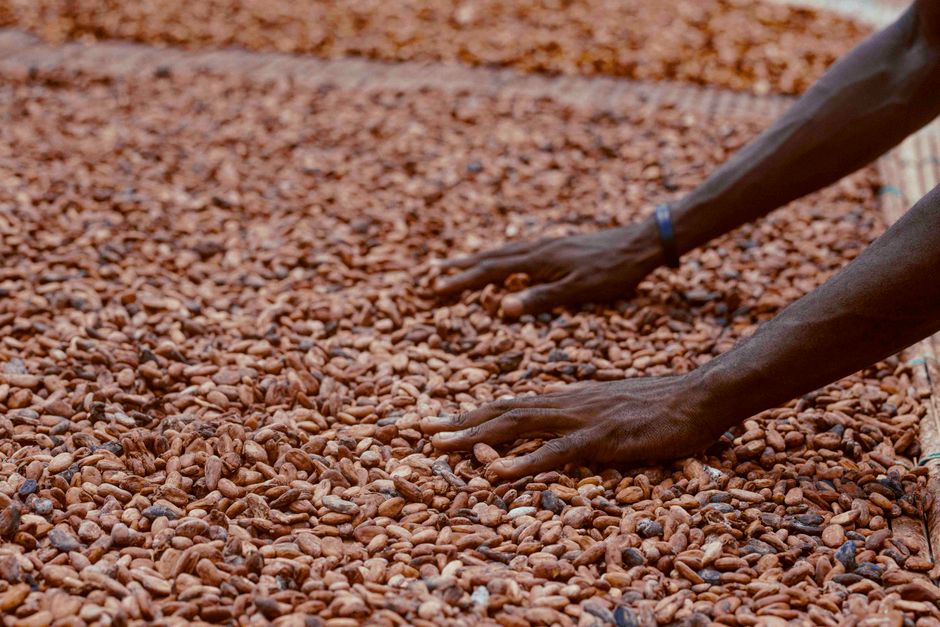
The price proposal comes against a backdrop of falling production estimates in both West African nations. Ghana’s Cocoa Board (COCOBOD) estimates the 2026/27 crop will decline to around 650,000 tonnes, down 13% from 750,000 tonnes last year, citing El Niño conditions, adverse weather, and black pod disease. Earlier projections had warned of a potential drop to as low as 450,000 tonnes due to swollen shoot disease and aging farms. Ivory Coast’s crop estimates for 2026/27 have also been cut, with analyst forecasts ranging from a 10% to 20% decline attributed to excess rainfall and disease. Early surveys indicate poor pod development, with an average estimate of 1.8 million tonnes for the season starting in September, down from approximately 2.2 million tonnes in 2025/26.
Global cocoa futures reacted modestly to the news, with the New York December contract gaining roughly 0.37% to 0.6% and the London December contract up about 0.16% to 0.5%. These moves followed a period of volatility as the market struggles to settle on a 2026/27 supply and demand balance. Expert opinion remains divided on the outlook. While some analysts project a global surplus of 80,000 to 110,000 tonnes, other forecasts, including one from Transgraph Consulting, suggest the surplus may shrink to 80,000 tonnes from 415,000 tonnes in the previous year. Conversely, at least one major Asian processor has forecast a deficit of 300,000 to 400,000 tonnes, potentially pushing prices toward $8,000 per tonne by December.
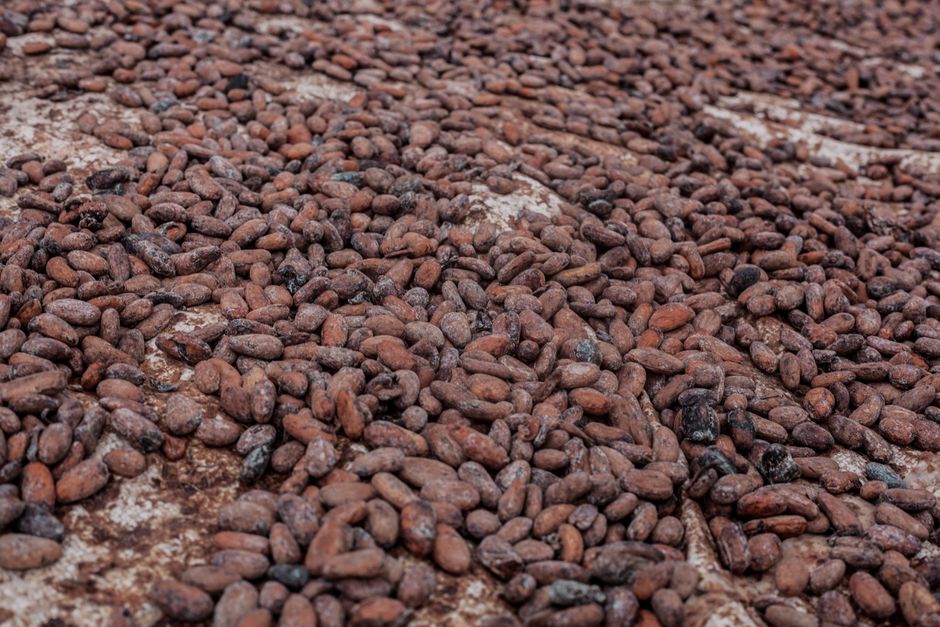
Both Ghana and Côte d’Ivoire operate state-administered farmgate pricing systems designed to shield farmers from global price swings. However, this approach meant many West African farmers received limited benefit when world prices spiked to record highs above $10,000 per tonne in 2024. The current proposal is being watched closely as a test of how the pricing mechanism will adapt to a market characterized by tighter supply and renewed regional price disparities.
