

In the northeastern Kharkiv region, a strike killed six agricultural workers and wounded 12 others, according to Interior Minister Ihor Vyhivskyi. In the central city of Sumy, an air strike reportedly involving guided bombs hit the central part of the city, killing two men and injuring six people, including an 11-month-old child who was hospitalized. Preliminary data indicates that administrative buildings, residential high-rises, and a cafe were damaged in the Sumy attack. In Kyiv, the attacks resulted in the deaths of one man and one woman, while four others were injured. Officials in the southern port city of Odesa also reported a major bombardment, contributing to the overall toll.
The strikes have inflicted substantial damage on Ukraine’s energy and telecommunications sectors. Zelenskyy stated that a kindergarten in Kyiv, a lyceum in Kyiv Oblast, a university in Kharkiv, and energy facilities in Poltava, Mykolaiv, and Vinnytsia regions were damaged. Beyond traditional utility targets, Russian attacks have increasingly focused on Ukraine’s internet backbone. Ukrainian Digital Transformation Ministry officials reported that roughly 100,000 households in Kyiv and Kyiv Oblast experienced internet disruptions following drone strikes on September 23 and 24. Multiple data centers and internet providers, including UTELS, Pavutyna, and Crazy Network, reported direct damage to their central nodes and core equipment, forcing some companies to relocate infrastructure to restore service.
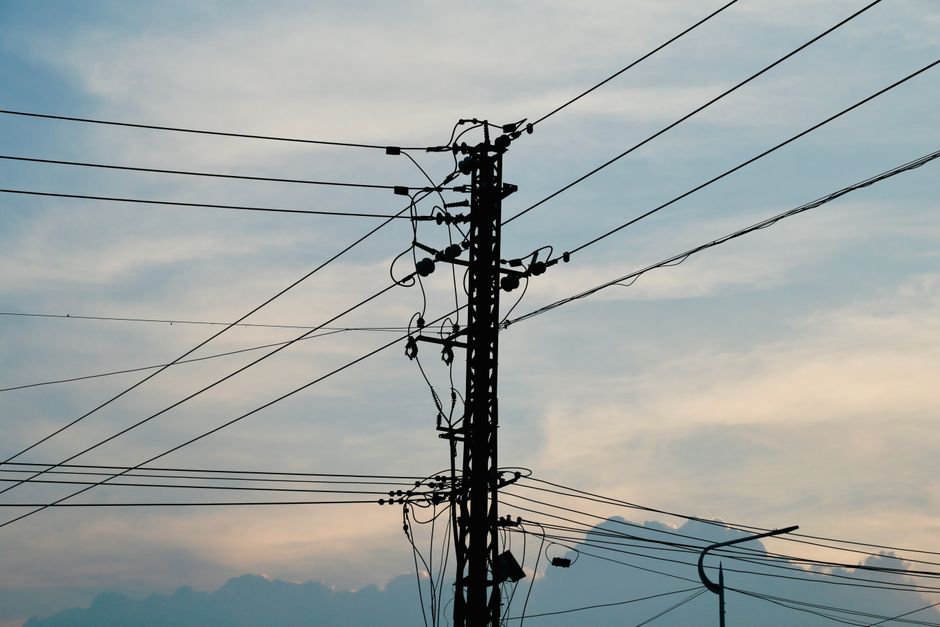
Representatives from the 1-IX internet exchange point described the recent escalation as a systematic shift in Russian tactics, noting that while attacks on communications infrastructure are not new, the intensity of strikes on data centers marks a new phase. The disruption extends beyond Ukraine; Polish Deputy Prime Minister Krzysztof Gawkowski stated that a fire at a Starlink ground station in Poland’s Masovian Voivodeship on the evening of September 23 may have been a deliberate act of sabotage. The station, operated by state-owned telecommunications company Exatel, serves as a critical hub for internet traffic carrying to Ukraine. Polish authorities have not concluded their investigation, but officials suggested the incident could be part of a broader hybrid warfare strategy aimed at degrading Ukrainian military communications at the front.
In response to the continued aggression, Zelenskyy addressed the United Nations General Assembly, urging the international community to implement stronger economic measures against Moscow. He specifically called on U.S. President Donald Trump to support legislative initiatives for sanctions against Russia and its financial backers, while also appealing to European leaders for additional restrictive measures. “If the Russians have chosen to make their strikes even more brutal, the world must choose stronger responses so that the war does not spread further,” Zelenskyy said. The Kremlin, through spokesman Dmitry Peskov, rejected calls for a temporary ceasefire, reiterating Moscow’s demand for a comprehensive peace deal based on its own terms. Analysts note that despite years of diplomatic efforts, the conflict continues to strain global food and energy supplies, with no imminent breakthrough in negotiations.
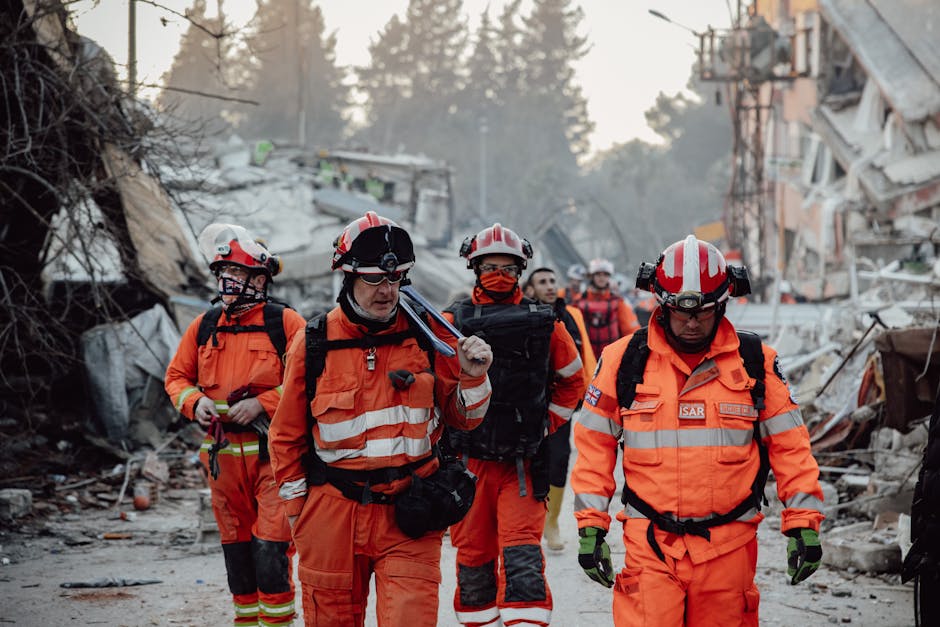
The focus now shifts to the restoration of Ukraine’s digital infrastructure and the potential for further hybrid attacks on allied territories. Ukrainian specialists are working to assess the full extent of the damage to Kyiv’s data centers, while Polish investigators continue to examine the cause of the fire at the Wola Krobowska station. The international community faces pressure to address the expanding scope of the conflict, which now includes direct threats to NATO member states’ digital sovereignty and Ukraine’s ability to maintain connectivity in a modernized warfare environment.
