
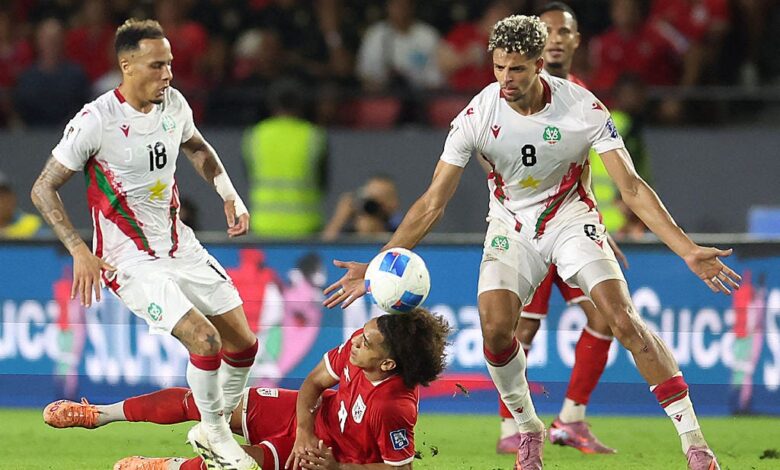
The result keeps Panama level with Suriname at the top of Group A, with the distinction between the two sides currently resting on goal difference, as Suriname has scored one more goal. The match showcased a resilient Surinian side that employed disciplined defensive tactics to withstand sustained pressure from the Panamanian attack and its vocal home supporters.
Suriname coach Stanley Menzo described the team’s performance as a mix of fighting spirit and effective play. “It’s good to play against top teams like Costa Rica, Mexico, Panama because they have all those ingredients, what you need to survive in (Central) America,” Menzo said. He noted that while his team fought well, they could not sustain high-intensity pressing for the full 90 minutes as the hosts could. “In the end, the good feeling for me is that everybody knows we are on our way. We’re not afraid to come here and try to press Panama,” Menzo added.
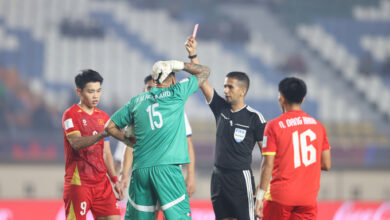
The match was marked by a stark contrast in approach, with Suriname employing time-wasting tactics that drew criticism from local fans. Stretcher crews and ball boys were frequently deployed to expedite play whenever Surinam players remained on the ground, a tactic often associated with smaller teams seeking to secure a result in the region. Suriname goalkeeper Etienne Vassen acknowledged the intensity of the contest, stating, “I think we showed them Suriname is really on the map in Concacaf. Maybe I should’ve stayed on the ground longer, but the referee was right on my skin to give me a yellow card.”
Injuries significantly impacted Suriname’s squad depth during the October qualifying window. Menzo lost two forwards to injury in Friday’s match against Guatemala and was already missing several center-backs before the window began. Despite these absences, he fielded Radinio Balker, knowing the player would not be able to complete the full match. Midfielder Kenneth Paal was forced to leave the field at halftime after taking a knock shortly after his team’s goal was scored.
“The most important thing now is that everybody stays healthy with our clubs and comes back fit for the most important window in our lives,” Paal said.
Suriname’s resilience in Panama follows a victory in El Salvador last month, a result that helped establish their position at the top of Group A. The team’s ability to compete with established regional powers has raised questions about the depth of talent in Concacaf. While some observers have characterized the squad as a group of Dutch-based players, Menzo emphasized that his players have extensive experience in Concacaf competition, allowing them to anticipate the flow and intensity of matches in the region.
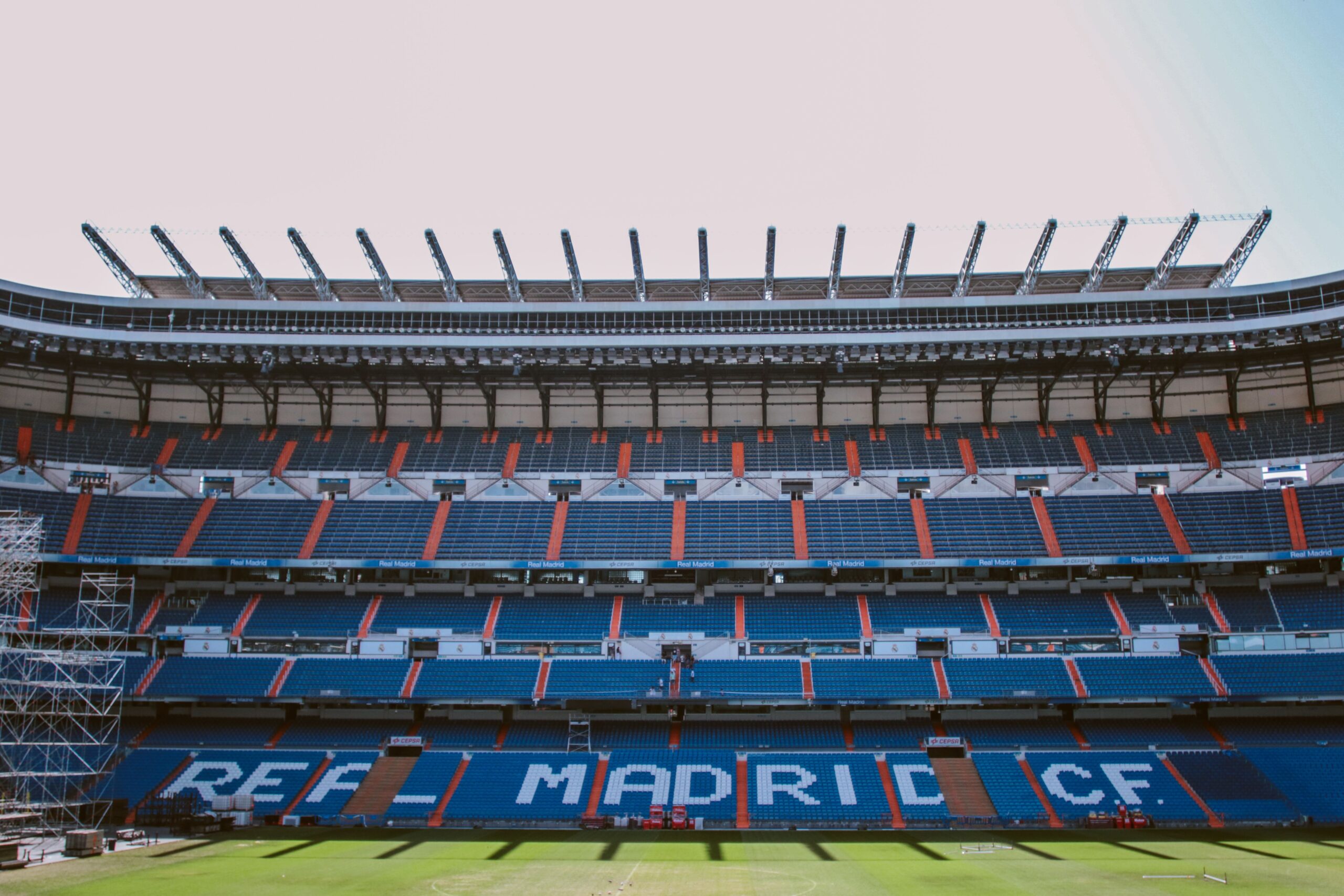
For Panama, the late goal prevented a potential defeat and kept the group title race tight. The Estadio Rommel Fernandez atmosphere intensified in the final minutes, with local fans urging the team to find an equalizer. Diaz’s strike in the extended stoppage time provided the necessary relief, ensuring Panama remained within touching distance of the group leaders. The draw underscores the challenge facing traditional powerhouses in the region as teams with fewer resources demonstrate increasing tactical maturity and competitive consistency.
With the October window concluding, both teams will now return to club football. The next major competitive fixture will be determined by the upcoming international break, where both Panama and Suriname will seek to consolidate their positions in Group A. The close margin between the two teams means that future results in the group will be decisive in determining which side advances or secures a more favorable position in the qualification standings.