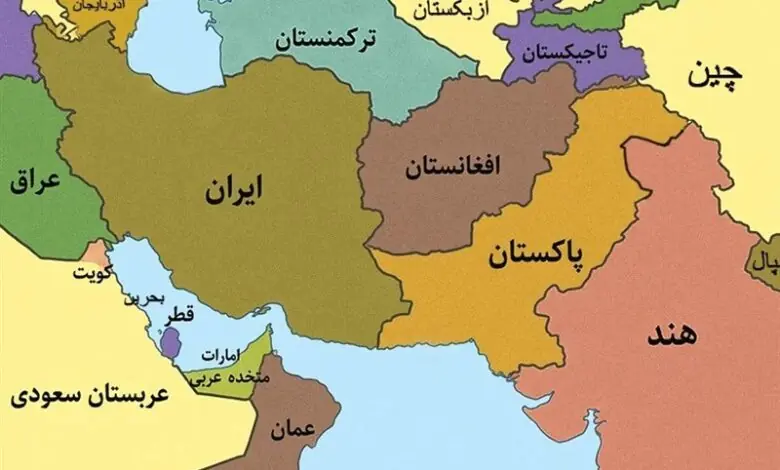
This latest escalation follows a period of intense tension that began in October 2025, when growing mistrust over the Tehrik-i-Taliban Pakistan (TTP) boiled over into what Pakistani officials termed an “open war.” Pakistan has carried out at least 15 air and drone strikes inside Afghanistan in less than a year. While Islamabad claims these operations target TTP bases, analysts suggest the strategy has produced no tangible results in curbing cross-border insurgency. Instead, the attacks have intensified anti-Pakistan sentiment in Afghanistan and fueled retaliatory strikes by the Taliban. After the latest Pakistani incursion, Afghan forces launched retaliatory attacks along the border, injuring several people in Balochistan Province. Pakistan’s military responded by shooting down four rudimentary drones and issuing warnings that any further provocation would receive a “befitting response.”
The conflict is driven by a complex mix of security concerns and shifting geopolitical calculations. For decades, Pakistan’s policy toward Afghanistan has centered on maintaining a weak, dependent government in Kabul. However, the Taliban’s consolidation of power has led Islamabad to view the movement as outside its sphere of influence. The immediate trigger for the current crisis is the TTP, a militant group that Pakistan accuses of using Afghan soil to stage attacks on its own territory. This was underscored by a recent bombing and gun attack on a Rangers facility in Karachi, where three paramilitary troops were killed. Pakistani officials linked the attack to Jamaat-ul-Ahrar, a TTP splinter group, pledging “retribution operations” against the perpetrators.
Amidst this volatility, China has stepped up its diplomatic engagement, driven by the substantial economic stakes involved. Beijing has invested billions of dollars in Pakistan through the China-Pakistan Economic Corridor (CPEC), a network of infrastructure projects that are highly sensitive to regional security. Chinese special envoy for Afghan affairs, Yue Xiaoyong, recently visited Kabul, Doha, and Islamabad to advance talks that were initiated in Urumqi, Xinjiang, in early April. The selection of Urumqi, a city with significant security concerns regarding the Eastern Turkistan Islamic Movement (ETIM), was a deliberate signal of China’s strategic priorities. Analysts note that sustained conflict along the border risks enabling militant groups hostile to Beijing, potentially threatening stability in Xinjiang. While the Urumqi talks led to an agreement not to escalate tensions, the lull lasted only a few days before Pakistani artillery strikes destroyed a health center in Nari district, killing no one but signaling the fragility of any ceasefire.
Other regional powers, including Qatar, Saudi Arabia, and Turkiye, have also attempted to mediate, but the core security and territorial disputes—particularly regarding the Durand Line—remain unresolved. The conflict is not merely a bilateral dispute; it has broader implications for regional stability. As Pakistan seeks to strengthen its diplomatic influence in other areas, such as Middle East negotiations, the inability to secure its western border complicates its international standing. For now, the prospect of a lasting peace remains elusive, with both sides continuing to view military pressure as a primary tool in their ongoing struggle for influence and security.