
The address came against a backdrop of escalating military and economic tension. Pezeshkian insisted that any future agreement must include the end of the US naval blockade, which has prevented Iranian ships from using the Strait of Hormuz. “It cannot be the case that everyone benefits from the Strait of Hormuz while we are denied access,” he said. The US delegation walked out of the chamber at the start of the speech, and there was no immediate official comment from Washington. The US has previously rejected Iranian demands to retain control over the strait and collect fees from vessels, a point of contention that contributed to the collapse of a preliminary peace agreement reached in June.
During his remarks, Pezeshkian displayed photographs of the late Supreme Leader Ayatollah Ali Khamenei, who was killed in a joint US-Israeli strike on his residence in late February. He also presented images of civilians killed in missile strikes on a primary school in Minab and a sports complex in Lamerd. Iranian authorities state that more than 175 civilians, two-thirds of them children, were killed in these attacks. The US has denied striking Lamerd and stated it is still investigating the incident in Minab. “The US president described us as terrorists. We have been the victims of terrorism,” Pezeshkian told the assembly.

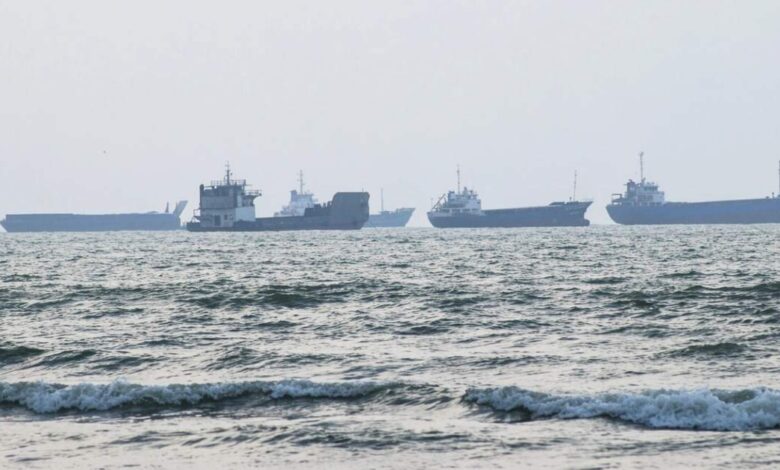
Despite the defiant rhetoric, both the United States and Iran signaled openness to renewed negotiations earlier in the week. This diplomatic signal emerged as Washington intensified its campaign of financial pressure on the Iranian economy. The effectiveness of these sanctions is heavily dependent on the cooperation of major trading partners, particularly China, which plays a critical role in sustaining Iran’s economic lifelines. Concurrently, tensions in the Persian Gulf remained acute following an attack on a cargo ship in the Strait of Hormuz that killed one Indian sailor. The incident, condemned by India’s foreign ministry, highlighted the ongoing dangers to commercial shipping and the difficulty of restoring unimpeded passage through the waterway, through which approximately one-fifth of global oil and gas shipments typically pass.
The conflict, which began with massive US and Israeli air campaigns and Iranian retaliatory missile and drone attacks, has effectively closed the Strait of Hormuz to safe commercial traffic since February. Iran retaliated by targeting Israel and neighboring Gulf Arab states hosting US military bases, while the US responded by imposing a blockade on Iranian ports and ships in April. The previous attempt at a ceasefire in June collapsed within weeks after Iranian attacks on shipping resumed and the US reinstated its blockade. As both nations weigh the costs of continued war against the risks of negotiation, the next expected development is a formal determination of the specific terms for reopening the strait and the scope of any potential sanctions relief.