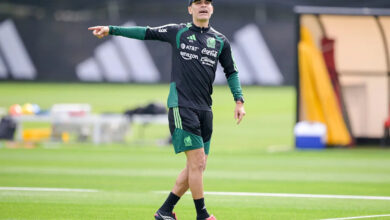

The match at M&T Bank Stadium marked the opening of the 2030 World Cup qualification cycle for both nations and the start of a significant transitional period for El Tri. Márquez, a former center-back and the manager of Barça Atlètic in the 2023–24 season, took over the senior squad following a strategic plan put in place two years prior to succeed Javier Aguirre. His debut came against a formidable opponent: Colombia, a team that had beaten Mexico in their last four meetings dating back to 2010, including a 4-0 defeat in their most recent encounter.
Both sides entered the fixture with the dust of their 2026 World Cup campaigns still settling. Mexico, ranked 10th in the FIFA rankings, had reached the Round of 16 on home soil before falling 3-2 to England. The tournament produced four wins from five matches, a strong performance that the new management hopes to build upon. Colombia, meanwhile, exited at the same stage after a penalty-shootout loss to Switzerland following a goalless draw. Under manager Néstor Lorenzo, Los Cafeteros had won three and drawn one of their five matches, conceding just one goal across the entire tournament.
The absence of key players shaped the tactical landscape for both teams. Mexico was without Julian Quinones and Raúl Jiménez, who suffered muscle injuries with their respective clubs, Al Qadisiya and Wolverhampton. The duo combined for seven of Mexico’s 10 World Cup goals, a significant void that Márquez addressed by starting Armando González up front. Colombia also navigated a transition, with James Rodríguez’s international retirement prompting a leadership change; Davinson Sánchez was named the new captain, and the iconic number 10 shirt remains active for the next generation. Luis Díaz, the Bayern Munich star, was rested and left off the roster.
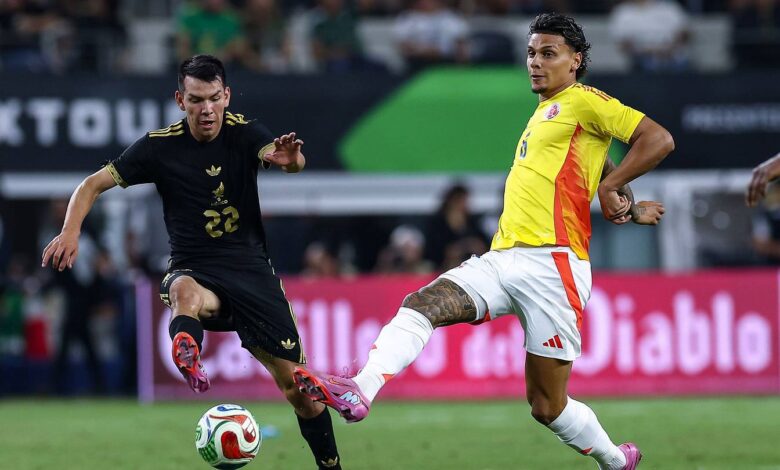
Colombia struck early, taking the lead in the ninth minute when Luis Suárez headed home a precise cross from Richard Ríos. It was the only shot the South Americans registered in the first half, but it proved decisive in opening the scoring. Mexico, however, created ample chances to equalize before the break, hitting the crossbar twice and the post once. In the 32nd minute, a deflection off the post fell to Luis Chávez, whose effort blasted off the crossbar, a symbol of the frustration El Tri faced in the opening 45 minutes.
The second half saw a shift in momentum. With the score 1-0 and 10 minutes into the second half, Mexico began to overload the right side, with Mora flashing skill that energized the crowd in Baltimore. The equalizer came shortly after, a brilliant individual effort that leveled the contest. As the match moved into its final stretch, both teams made substitutions to refresh their lines. Mexico pushed hard for a winner, making four changes in the final ten minutes, while Colombia sought to restore their lead by rotating their midfield. Despite the high tempo and Mexico’s persistent pressure, neither side could break the deadlock, resulting in a 1-1 draw.
The result allows Márquez to start his tenure without extending the long-standing losing streak against Colombia, though the failure to secure a win in a friendly may leave questions about the squad’s attacking cohesion without its top scorers. The match was the first-ever MexTour stop in Baltimore in the tour’s 23-year history, drawing a substantial crowd. As the 2030 cycle begins, Mexico faces a four-game schedule in this FIFA window, with the next chapter of Márquez’s era unfolding after this initial, hard-fought draw.