
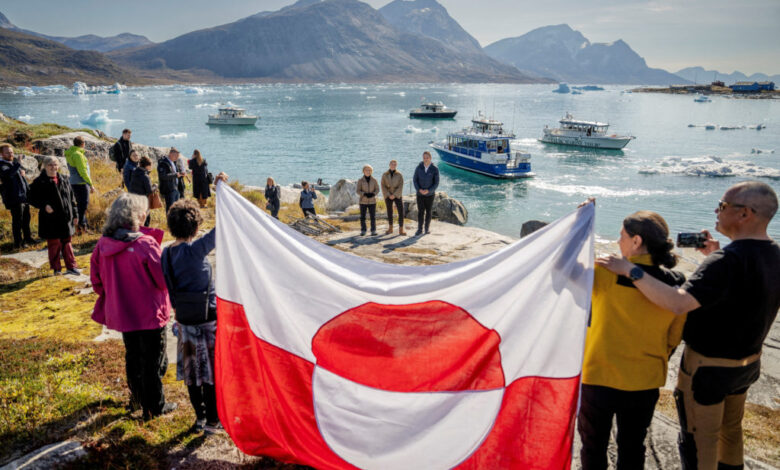
The signing concludes a period of intense diplomatic friction that began when Trump, who has expressed a desire to acquire Greenland since 2019, issued threats to seize the semiautonomous territory during his second term. These threats strained relations within NATO, with Frederiksen previously warning that a U.S. takeover would amount to the end of the Atlantic alliance. To alleviate fears of annexation while addressing American security concerns, officials from the three nations negotiated for months behind the scenes. The result is a deal that keeps Greenland under Danish control while providing Washington with unprecedented mobility and operational reach.
“This is tremendous for Europe and for the United States and for everybody,” Trump said just before the agreement was signed. “And for Greenland, it’s going to be incredible.”
The text of the agreement, released by the White House shortly after the ceremony, details a broad expansion of U.S. capabilities. Beyond the construction of two new bases, the accord permits the U.S. to establish additional defense areas and strengthen its military operations. It specifically includes provisions for “undersea access,” acknowledging that the security situation in the Arctic is changing and requiring new measures. The deal also facilitates the deployment of the “Golden Dome defense system,” allowing U.S. military access to defend the NATO area, Greenland itself, and the American continent.

While expanding American presence, the agreement explicitly reaffirms the sovereignty and territorial integrity of the Kingdom of Denmark. It recognizes the Greenlanders’ right to self-determination and includes a critical restriction: no state that is not a member of NATO shall be allowed to establish manned or unmanned military installations in Greenland, nor shall they maintain a persistent military presence. This clause effectively bars rival powers, such as Russia and China, from gaining a foothold on the island, a primary strategic concern for Washington.
For the local population, the deal includes protections for their traditional way of life. The preamble stresses the need to protect “the pristine environment of Greenland” and highlights the economic, social, and cultural rights of the people, including their lands and activities such as hunting and fishing. The agreement has no end date. If Greenland chooses to become independent in the future, the accord states it will agree to remain in NATO and assume Denmark’s rights and obligations under the deal. The pact will only enter into force once the necessary parliamentary processes of the Kingdom of Denmark, in conjunction with Greenland, are completed.
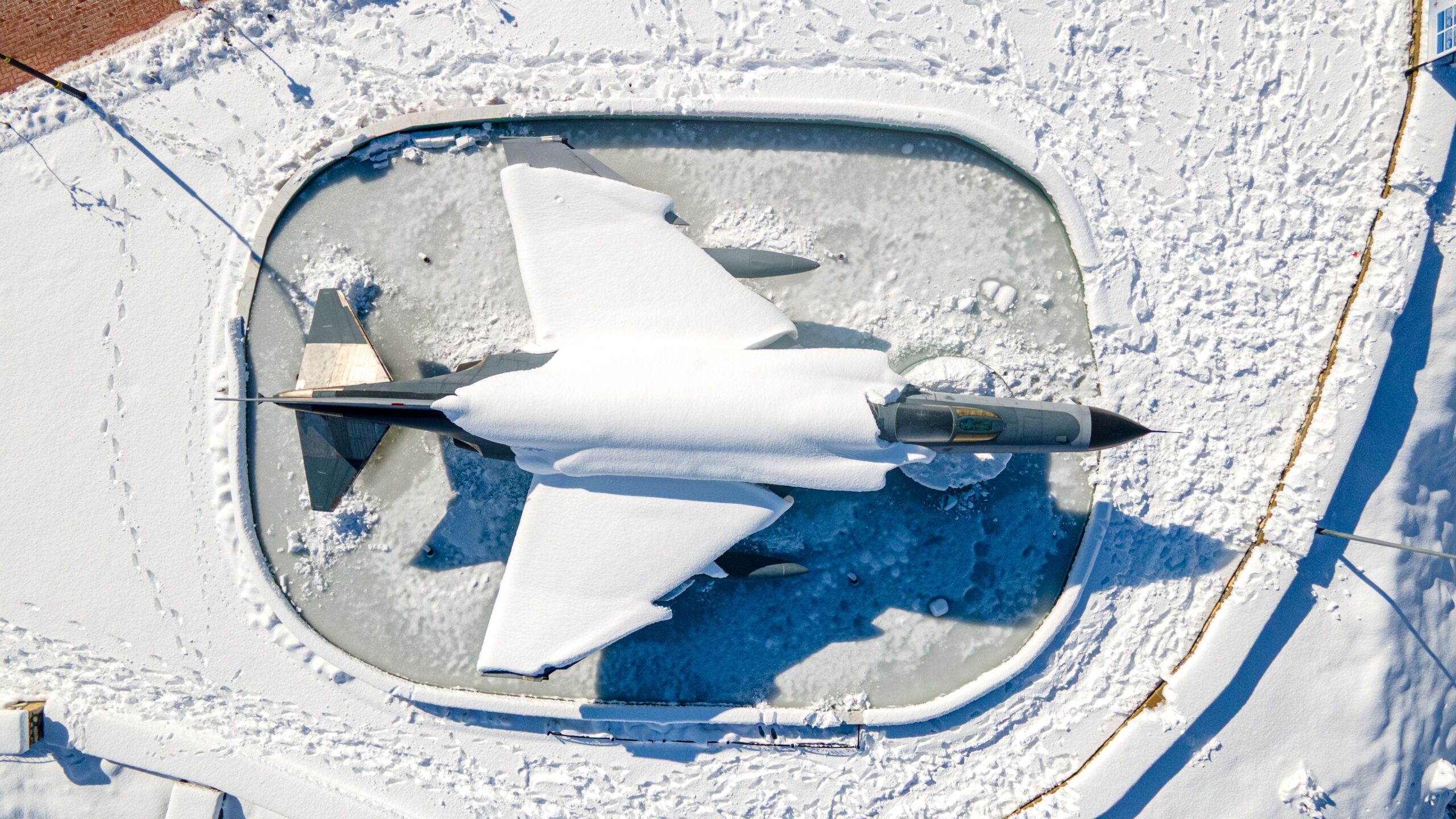
The agreement also calls for a stronger NATO engagement in the Arctic, including joint planning, presence, exercises, and intelligence gathering. This collaborative approach aims to reassure European allies who were unsettled by the earlier acquisition threats. The EU had previously increased security exercises and financial support for the Arctic island in response to the political uncertainty. By formalizing U.S. military access through a trilateral treaty rather than unilateral action, the signatories have sought to stabilize the region’s geopolitical status quo.
As the parliamentary process moves forward, the focus will shift to the practical implementation of the new bases at Narsarsuaq and Mestersvig. The agreement represents a compromise that satisfies U.S. strategic interests in the resource-rich, strategically vital island while preserving the political status quo for Denmark and Greenland. The next steps involve the domestic legislative approvals required to bring the treaty into full effect, marking a new era of defined, if expanded, American military activity in the high north.