
The crisis began when an estimated 70,000 individuals crossed or attempted to cross into Ceuta. In response, the government deployed military and police units, sealed off routes to mainland Spain, and coordinated with Moroccan authorities to facilitate mass expulsions. The Spanish government stated that approximately 90 percent of those who crossed were returned, leaving around 5,000 people in the enclave, including roughly 1,500 minors. While the Interior Ministry later reported that nearly all had been returned, with only about 2,000 remaining, the initial scale of the event triggered a national security emergency.
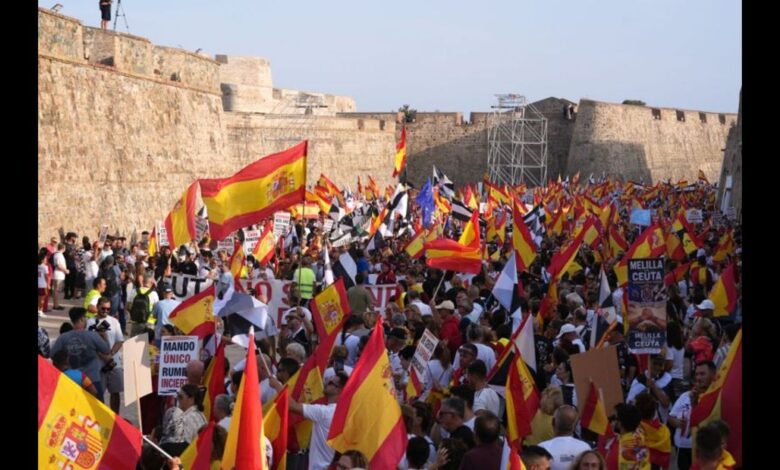
The political fallout has been immediate and intense. The right-wing Popular Party (PP) and the far-right Vox have leveraged the event to demand the government’s downfall. Vox leader Santiago Abascal has characterized the crossings as an “act of war” and accused the administration of “treason” and submission to Rabat. The PP alleges that the government received advance warnings from intelligence agencies but failed to act. Last week, both parties organized large-scale demonstrations across Spain, with tens of thousands of participants in cities including Madrid, Seville, and Málaga. Reports from the Madrid demonstrations noted the presence of neo-Nazi symbolism and Francoist anthems, highlighting the volatile nature of the public reaction.
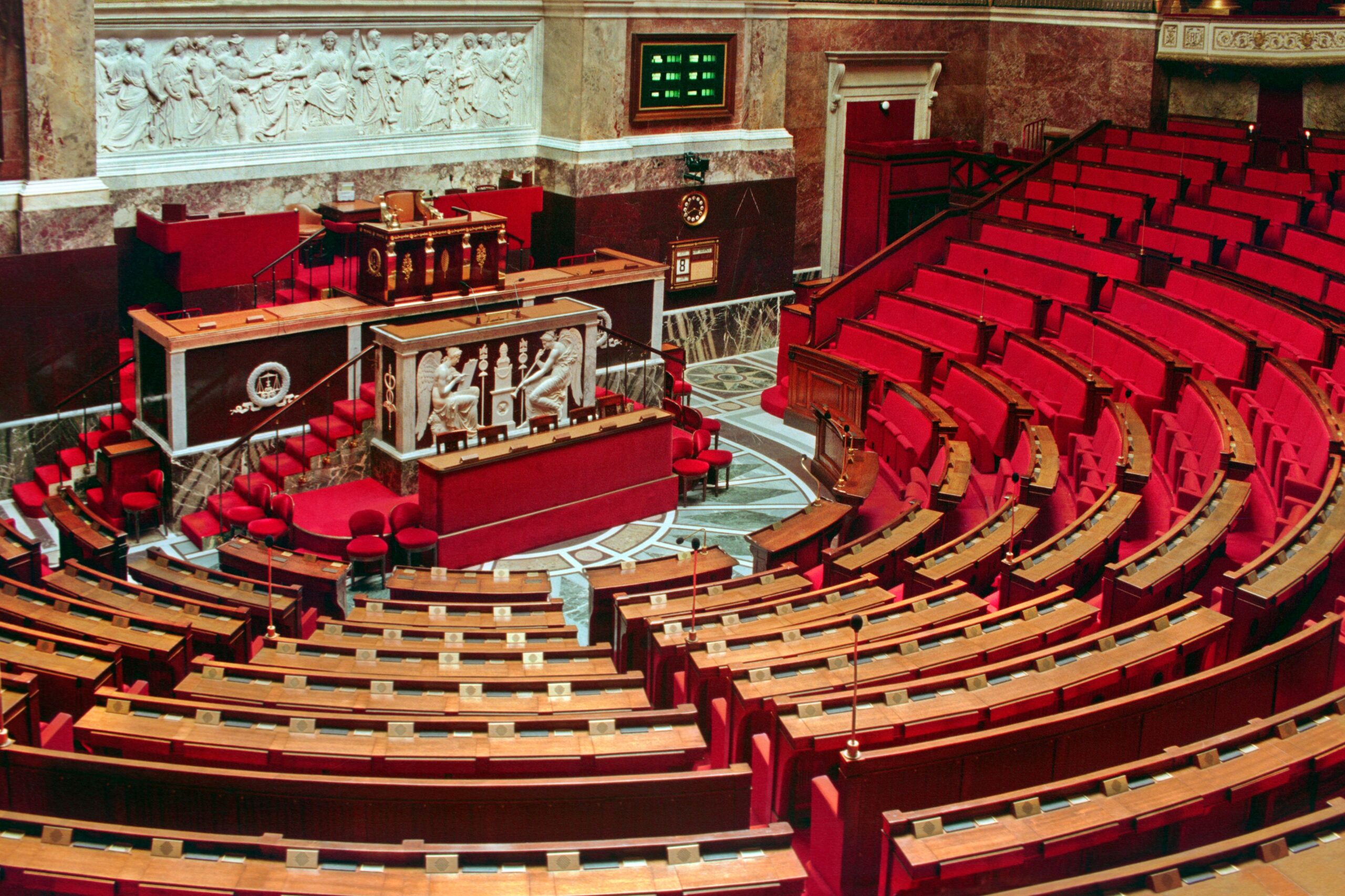
Internally, the crisis has strained relations within the PSOE-Sumar coalition. A central point of contention is the role of Spanish intelligence. Defence Minister Margarita Robles told parliament that agents in Ceuta had warned of an online call for people to swim into the enclave. However, Interior Minister Fernando Grande-Marlaska and local delegations denied receiving such intelligence. A document subsequently leaked to the media alleged that Moroccan gendarmes had directed people toward the border, a claim police chiefs denied, stating no report established Moroccan government responsibility. This discrepancy has fueled accusations of intelligence failures and lack of transparency.
In a significant escalation of the diplomatic dispute, the Sumar party, a junior partner in the coalition, has submitted a non-binding motion to parliament asking for a review of Spain’s co-hosting of the 2030 FIFA World Cup with Morocco and Portugal. Sumar lawmaker Nahuel González argued that “human rights must be defended” and accused Morocco of using migration flows for political purposes. The motion urges the government to formally communicate to FIFA and the relevant football federations the need to evaluate the joint organization model, citing concerns over “effective and continuous respect for human rights.” González did not specify whether Sumar seeks to remove Morocco as a host or for Spain to withdraw, but the proposal reflects a growing skepticism within the coalition about the partnership with Rabat. This move coincides with similar calls from Livre, the Portuguese green party, to withdraw from the tournament organization.

Security and Social Policy Tensions
The migration crisis has also intersected with domestic social policy debates. Both PP and Vox have used the event to channel social anger regarding migration, advocating for a vast expansion of military expenditure and a shift in social policy priorities. Meanwhile, the Sumar party has increased pressure on the government regarding housing policy, independent of the Ceuta crisis. Following the eviction of 87-year-old Maricarmen from her Madrid home after seven decades, Sumar demanded that the cabinet approve a housing decree and expropriate the property “no matter what.” Sumar spokesperson Verónica Martínez Barbero stated the measure is necessary to prevent “vulture funds” from prioritizing speculative interests over public welfare. Prime Minister Sánchez described the eviction as a “social tragedy” but pointed to the Madrid regional government for primary responsibility, noting his own party’s abstention on the housing decree in a previous parliamentary vote.
The situation remains unresolved as political actors continue to dispute the facts surrounding the intelligence failures and the role of Moroccan authorities. The next major formal step involves the parliamentary review of Sumar’s motion on the World Cup and the cabinet’s decision on the housing decree, both of which will test the cohesion of the Sánchez government in the face of mounting opposition pressure.