
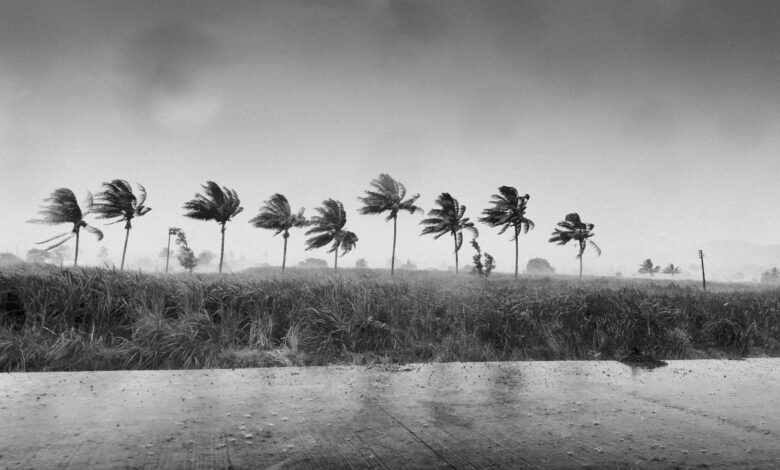
In the days leading up to landfall, Indian authorities evacuated approximately 180,000 people from the states of Andhra Pradesh and Odisha. These precautionary measures were taken in response to forecasts indicating that more than 12 million people lived in the cyclone’s expected path. India’s Meteorological Department had issued specific warnings regarding a storm surge of up to 1.5 meters above tide level, which posed a significant risk of submerging low-lying coastal areas. The uncertainty surrounding the storm’s precise trajectory was palpable among residents; one resident of Kakinada district, located directly in the storm’s path, described the anxiety of the situation: “No one knew whose house the water would rush into next or whose home would be submerged.”
The meteorological impact of Cyclone Arnab extends beyond the immediate Indian coastline, illustrating how tropical systems can influence weather patterns across South Asia. In neighboring Nepal, authorities issued warnings to tourists on Tuesday, advising against entering high-altitude areas from Thursday through Saturday. The concern is that the storm’s remnants could trigger torrential downpours, snowstorms, and avalanches in the Himalayan region. In response, authorities suspended the issuance of trekking permits for three days. This disruption is particularly significant as it coincides with peak hiking season, a period when approximately 750 hikers typically receive permits daily.

These warnings carry additional weight given Nepal’s recent history with extreme weather events. The country is still in the process of recovering from a catastrophic glacial mountain collapse in August, an event that resulted in the deaths of more than 1,400 people and left at least 5,000 individuals missing. The potential for Arnab to exacerbate instability in these high-altitude zones underscores the compounding risks faced by mountainous regions during the monsoon and post-monsoon seasons.
The storm’s influence has also been felt in Sri Lanka, where schools have been closed as a precaution. The Sri Lankan Department of Meteorology warned that the storm could trigger flash floods and landslides, highlighting the broader regional vulnerability to cyclonic activity in the Bay of Bengal. While the primary impact remains concentrated in the Indian states of Andhra Pradesh and Odisha, the cascading effects on transport, tourism, and public safety across the subcontinent demonstrate the far-reaching implications of severe tropical cyclones.

As Cyclone Arnab continues to move inland, the focus shifts from immediate emergency response to assessment and recovery. The lack of reported casualties so far suggests that the pre-emptive evacuations and early warning systems played a critical role in mitigating human loss. However, the infrastructure damage, including power disruptions and blocked highways, will require sustained effort to repair. For the 12 million people who lived in the storm’s path, the immediate danger has passed, but the economic and social disruptions will likely persist for days.
The event serves as a reminder of the seasonal dynamics of the Bay of Bengal, where cyclones form with notable frequency. While this specific storm is categorized by its immediate intensity and path, its broader significance lies in the regional coordination required to manage its effects. The suspension of trekking permits in Nepal and the school closures in Sri Lanka indicate a trans-border awareness of the storm’s potential to alter local weather patterns, even at a distance from the landfall point. As monitoring continues, meteorologists will track the storm’s residual moisture and its potential to influence rainfall patterns across the subcontinent in the coming days.