
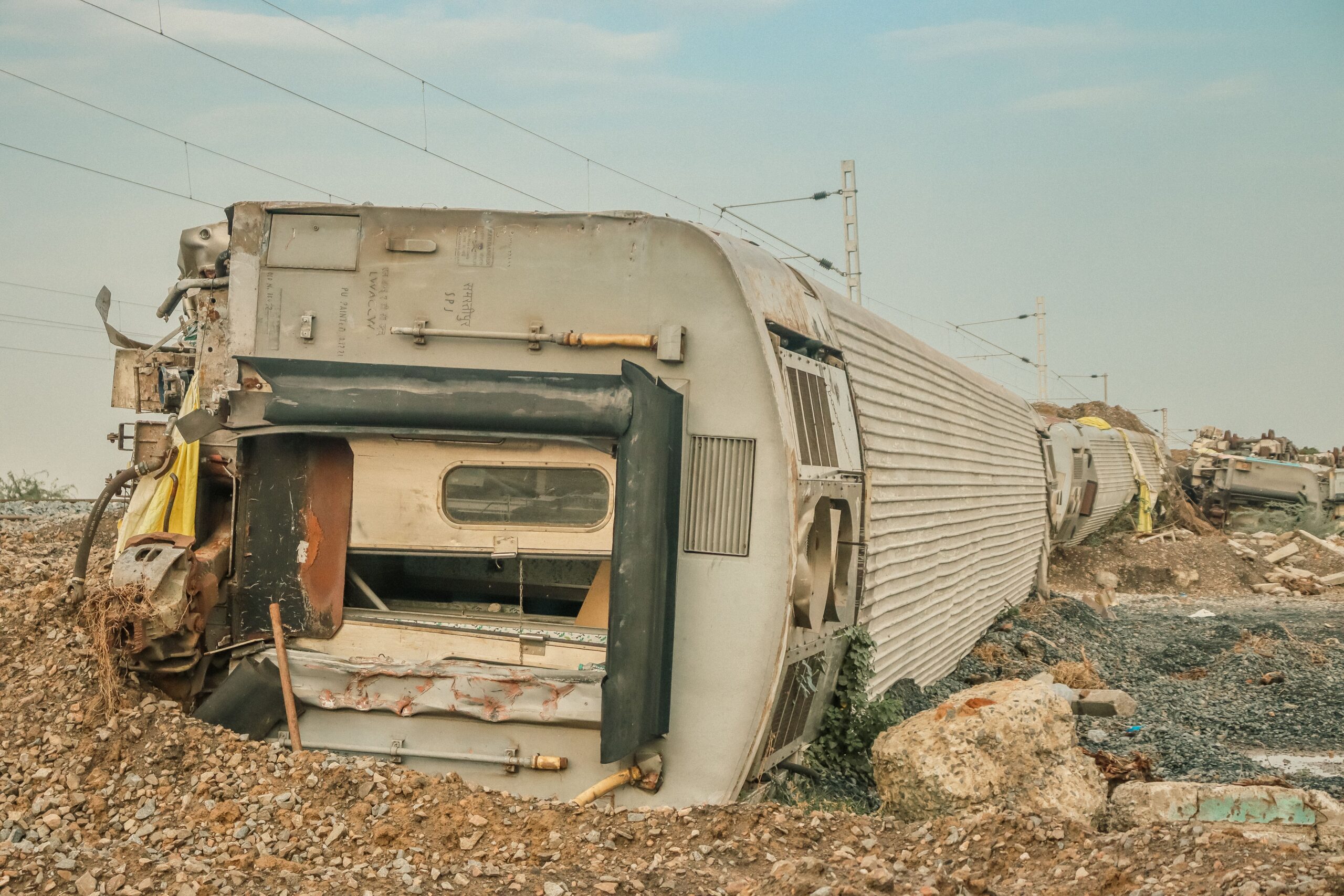
The collision occurred when one train traveled approximately 25 kilometers before striking a stationary train, possibly at speeds approaching 200 kilometers per hour. Transport Minister Óscar Puente revealed that rail services had resumed despite a technical failure affecting an automatic train-control system. Investigators are currently examining why services restarted before the safety system was restored and whether operational failures or negligence contributed to the disaster. Survivors described terrifying scenes, with passengers thrown from their seats and luggage flying through carriages during the violent impact. Several carriages were derailed and badly crushed, with mangled metal and debris scattered along the railway embankment.
Authorities warned that the death toll could rise further as emergency teams worked to reach victims trapped inside damaged carriages. For rescue workers, the immediate priority remained searching the wreckage for additional victims, while families awaited news of missing loved ones. Sánchez stressed that Spain must restore public confidence in its railway system after suffering two deadly high-speed rail disasters within months. He vowed, “We are going to get to the bottom of this. And if there has been negligence, it will be known. And if there have been failures in the security system, they will be answered with total forcefulness.”
The latest tragedy has renewed questions about the safety and management of Spain’s extensive high-speed railway network, one of the largest in the world. Sánchez referred to another high-speed railway disaster near Adamuz in southern Spain in January, which killed 46 people. That incident was Spain’s deadliest railway accident since 2013, when 80 people died after a train derailed near Santiago de Compostela in the country’s northwest. Opposition leaders have demanded answers about railway safety and infrastructure management ahead of upcoming elections, while Spain’s governing Socialist Party suspended campaigning.