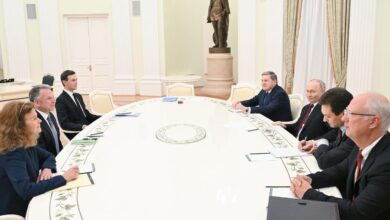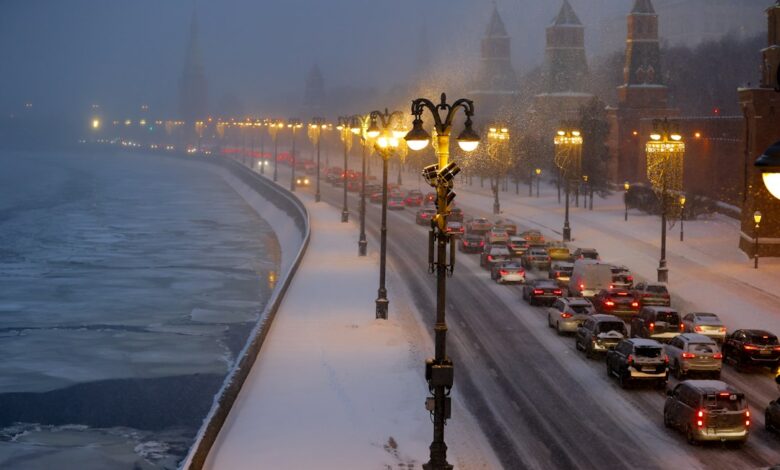
The diplomatic friction centers on a complex economic and security calculation. The United States and European officials who advocated for the plan argued that restoring transit flows would serve multiple strategic purposes. It would allow Ukraine to collect transit fees, provide Moscow with a tangible incentive to reduce attacks on critical energy infrastructure, and potentially lower heating costs for European consumers. To navigate the web of sanctions, the proposal envisioned Russian gas being sold through a U.S. intermediary. The proceeds would be deposited into an offshore escrow account, a mechanism designed to prevent Moscow from using the funds to finance its war effort. However, from the perspective of the Russian government, the military environment makes such logistical and political maneuvering unfeasible at this stage.
While the Kremlin downplays the prospect of a quick return to pre-war energy dynamics, the data reveals a more nuanced picture of Europe’s energy landscape. Pipeline shipments of Russian gas to Europe have largely stopped since the full-scale invasion of Ukraine, yet the connection has not been entirely severed. The Institute for Energy Economics and Financial Analysis, a U.S.-based think tank, reports that the European Union imported 6.9 billion cubic meters of Russian gas in the first three months of 2026. This volume represents a 16% increase from the first quarter of the previous year and marks the highest level of imports since 2022. Despite this recent uptick in specific quarters, the structural shift in the energy market is profound. Russia now accounts for just 11% of Europe’s natural gas consumption, a dramatic decline from the 45% share it held on the eve of the 2022 invasion.
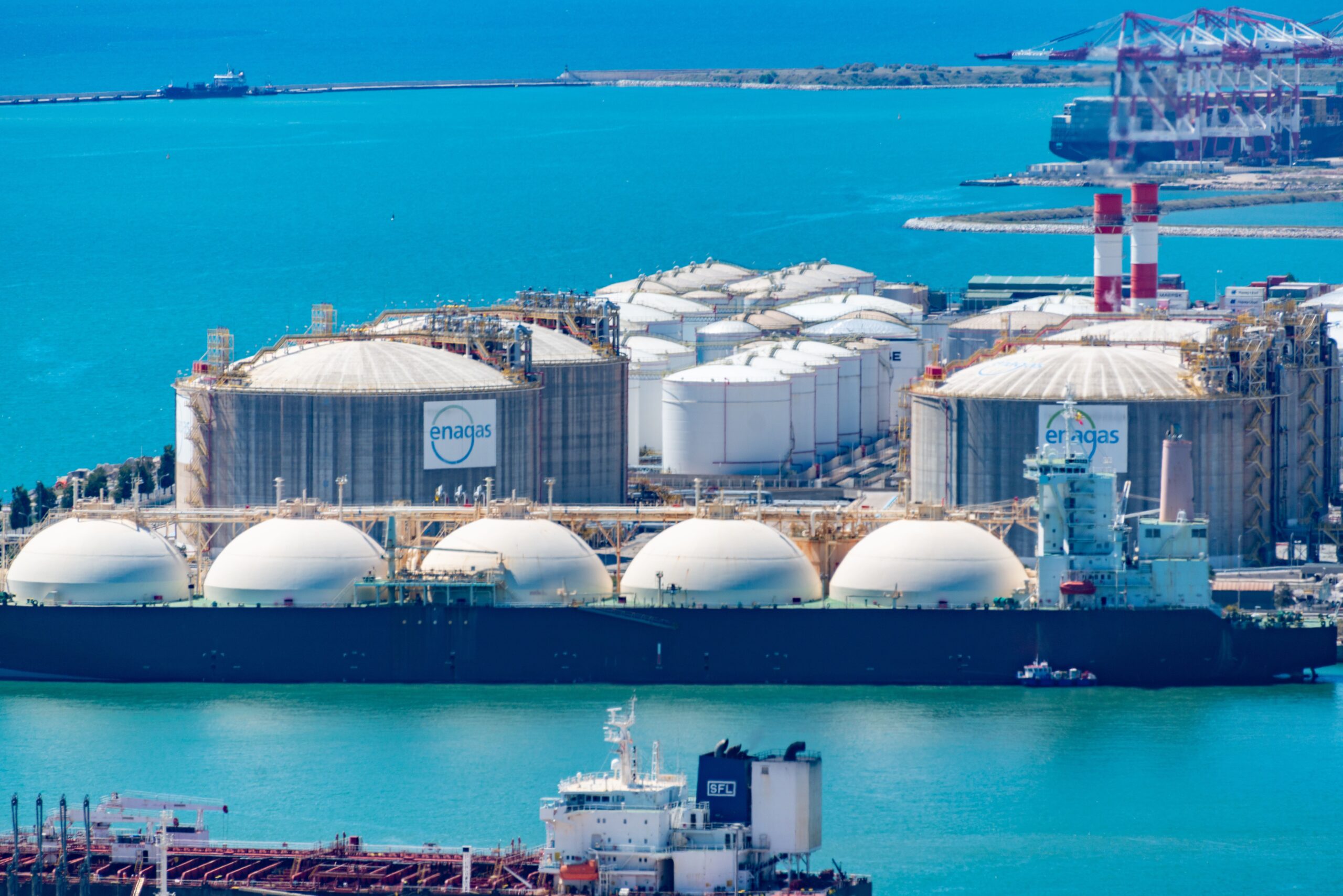
This declining share reflects a deliberate policy pivot by Brussels. The European Commission has stated that even after the war ends, the EU does not plan to restore imports of Russian gas, as the decoupling is now enshrined in current legislation. The bloc has committed to ending all imports of Russian oil and gas by the end of 2027. For Moscow, this legislative trajectory confirms that the European market, once the primary destination for its hydrocarbons, is becoming a “premium” niche rather than a volume driver. Peskov noted that while Europe remains a high-value market, countries in the Global South have demonstrated themselves as “centers of economic growth.” He argued that their consumption of oil and gas will only increase in the coming years, positioning Moscow to supply those emerging markets instead.
The disagreement between Washington and Moscow extends beyond logistics to the broader implications of the conflict. The U.S. proposal was part of a wider set of diplomatic initiatives, including earlier suggestions to unfreeze a portion of blocked Russian sovereign assets to fund a financial structure under Washington’s control, aimed at reviving peace negotiations. The Kremlin’s response implies that economic incentives are secondary to the military and political realities on the ground. Peskov stated that any renewal of shipments would “depend on the willingness of buyers, the willingness of sellers and the capacity of sellers,” a formulation that places the burden of feasibility on commercial and physical realities rather than diplomatic goodwill.
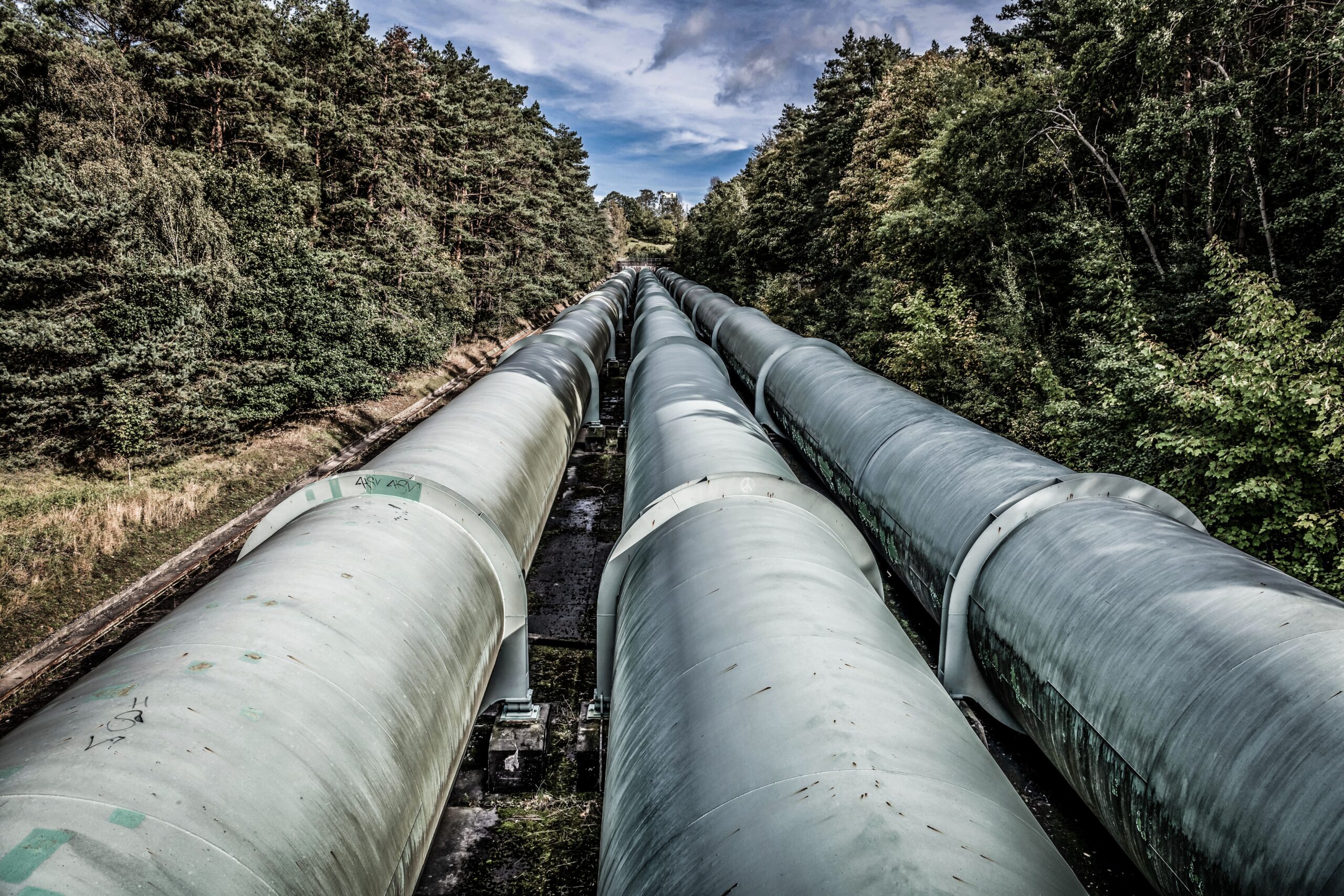
For European households, the immediate implication is a continued reliance on alternative energy sources amid the uncertainty of the winter season. The potential for lower heating costs through renewed Russian gas remains speculative, as the Kremlin explicitly stated that it is unlikely to happen anytime soon. The market is thus left to navigate a transition period where legacy pipeline infrastructure is idle, while new LNG and renewable capacities scale up to meet demand. The 11% consumption share indicates that Europe has largely succeeded in diversifying its supply, though the 16% quarterly increase suggests that residual flows still play a role in balancing the grid.
The outcome of these negotiations will likely hinge on the proximity of winter and the intensity of military actions on Ukraine’s energy grid. If strikes continue, the U.S. proposal may lose its leverage, as Moscow asserts that the “situation on the ground” precludes implementation. Conversely, if a ceasefire holds, the question of whether European buyers are willing to re-engage with Russian gas, despite legislative barriers and political opposition, will become the central economic test. For now, the pipelines remain quiet, and the focus shifts to the Global South, where Moscow sees the future of its energy exports, leaving European consumers to brace for another winter of elevated energy costs and geopolitical uncertainty.