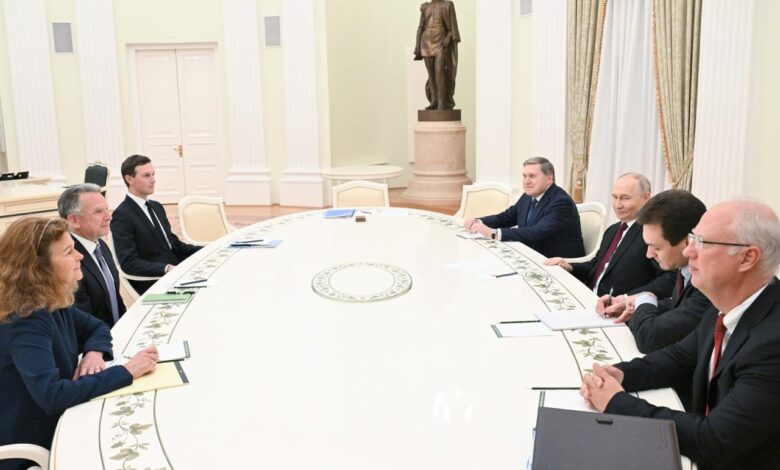
The initiative, reported by The Wall Street Journal, was advanced by U.S. envoys Jared Kushner and Steve Witoff during September visits to Moscow and Kyiv. The core of the proposal involves a U.S. intermediary purchasing Russian gas and reselling it to European customers. This structure is designed to circumvent existing legal obstacles under European Union restrictions on direct Russian gas imports. Under one version of the plan, proceeds from these sales would be deposited into an escrow account in a third-party jurisdiction. This mechanism is intended to prevent the Kremlin from directly accessing the revenue to finance its military operations against Ukraine, a concern cited by senior U.S. officials.
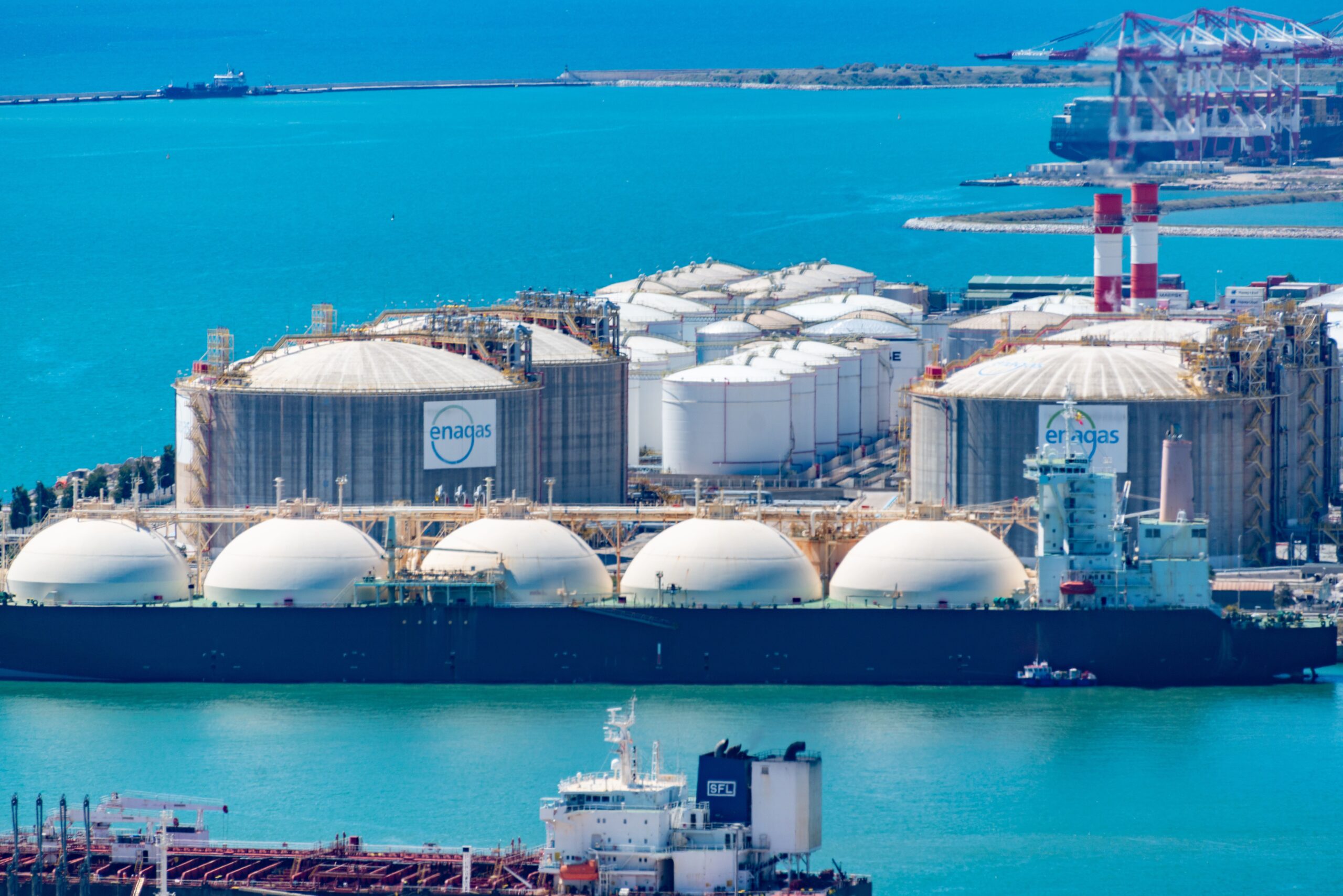
The economic urgency behind the proposal is driven by Europe’s current storage positions. With winter approaching and heating demand set to peak, EU gas storage is at levels lower than usual. Germany, which hosts over 20% of the EU’s total gas storage capacity, is in a particularly vulnerable position, with storage sitting at 61% full versus a target of 80% as of November 1. For European consumers, a renewed flow of Russian gas could lower prices during the critical winter months. For Ukraine, the move offers a tangible financial benefit: the restoration of transit fees from the Soviet-era pipeline network that carries gas from Siberia’s Urengoi fields through Ukrainian territory to Slovakia, Austria, and Germany. Ukrainian officials have indicated that this would provide “badly needed revenue” for the state.
However, the proposal faces a significant hurdle in the form of entrenched European policy. EU officials have repeatedly stated there is no going back on the plan to phase out all Russian energy commodity imports. The European Union has mandated that Russian gas must be eliminated by the end of 2027, a position maintained even with the prospect of a post-war order. European governments are described as vehemently opposed to the idea, eager to wean themselves off Russian fuel. This creates a sharp divergence between Washington’s immediate security and economic calculus and Brussels’ long-term strategic decoupling.
The U.S. strategy appears to be multifaceted, linking energy trade to broader diplomatic goals. Washington has presented the proposal as a way to secure an “energy ceasefire” before winter. U.S. negotiators believe that restoring Russia’s access to Europe’s lucrative gas market could provide President Vladimir Putin with a significant financial incentive to agree to halt attacks on Ukrainian energy infrastructure. This context is critical given recent escalations; Ukraine temporarily suspended strikes on Russian oil refineries last month under pressure from President Donald Trump, but resumed attacks on three major facilities over three days earlier this month. The resumption of strikes was a factor in the renewed U.S. push for a wider energy truce.

Logistically, the Ukraine transit route is viewed as a faster solution than repairing the damaged Nord Stream pipelines beneath the Baltic Sea. Nord Stream 1 halted deliveries in August 2022, and Nord Stream 2 never entered commercial operation, with both facing substantial physical damage following the September 2022 explosions. While the U.S. has discussed the possibility of reopening Nord Stream, the existing Ukrainian infrastructure offers a quicker path to resuming supplies. The proposal also seeks to create “a lucrative opportunity for American investors,” according to the WSJ, further embedding U.S. commercial interests in the arrangement.
Despite these strategic and economic arguments, the path forward remains uncertain. Moscow has so far rejected American efforts to secure an energy ceasefire, complicating the diplomatic landscape. Three-way talks involving the United States, Russia, and Ukraine are planned for mid-November in Abu Dhabi, providing a near-term forum for these discussions. Until then, the tension between the immediate need for affordable winter energy and the long-term political commitment to exclude Russian energy defines the dilemma. For the German household and the European industrial sector, the question remains whether the political will to accept a U.S.-mediated Russian gas deal can overcome the EU’s regulatory and political barriers before the storage deficit becomes a crisis.