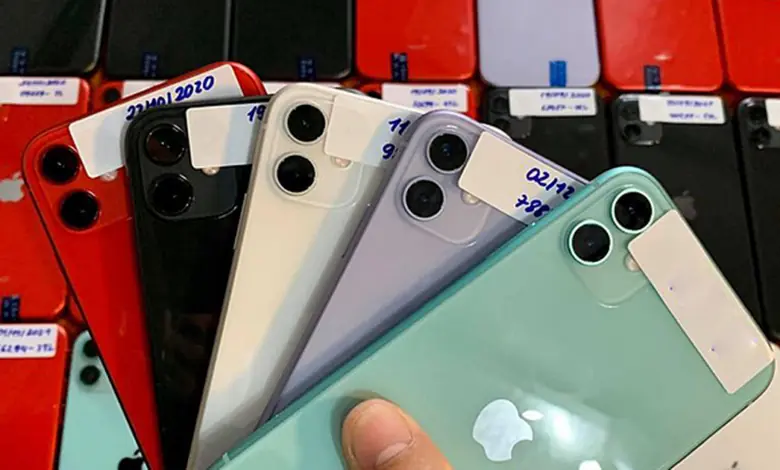
The primary driver of this regulation appears to be a move to standardize the quality and safety of electronic goods entering the market. By targeting used equipment, the government aims to eliminate the inflow of aging or potentially defective technology that may not meet current safety or environmental standards. The ban is not limited to complete devices; it extends explicitly to used parts, accessories, component assemblies, and electronic components of the products listed. This includes printed circuits, integrated circuits, and specific electrical wires and cables that fall under the designated HS headings.
The scope of the prohibition is broad, covering several key categories of consumer and professional electronics. Under HS heading 8517, the ban encompasses smartphones, mobile phones, and devices used to transmit or receive sound, images, or data over wired or wireless networks. HS headings 8470 and 8471 cover used computers, automatic data-processing machines, cash registers, accounting machines, and ticket vending machines, along with their functional units. In the imaging sector, HS code 8525 prohibits the import of used television cameras, digital cameras, and video recording equipment. Audio equipment, including microphones, loudspeakers, headphones, and audio amplifiers under HS code 8518, is also subject to the ban. Additionally, the list includes monitors, projectors, television reception equipment, radio transmission and reception equipment, radar systems, and navigation devices.
A critical aspect of Circular 63/2026 is its treatment of refurbished goods. The regulation explicitly states that the technical condition or appearance of the equipment does not determine its eligibility for import. Instead, the decisive criterion is the HS code. Consequently, products that have been repaired, fitted with replacement components, or refurbished to restore their functionality, quality, and appearance to a condition equivalent to new products remain prohibited if their HS codes fall within the restricted categories. This means that a used smartphone or computer, even if it has been fully refurbished, repackaged, and provided with a new warranty, cannot be legally imported into Vietnam once the ban takes effect. The identification of prohibited items relies solely on the HS code classification in the customs catalog, not on the state of the device.
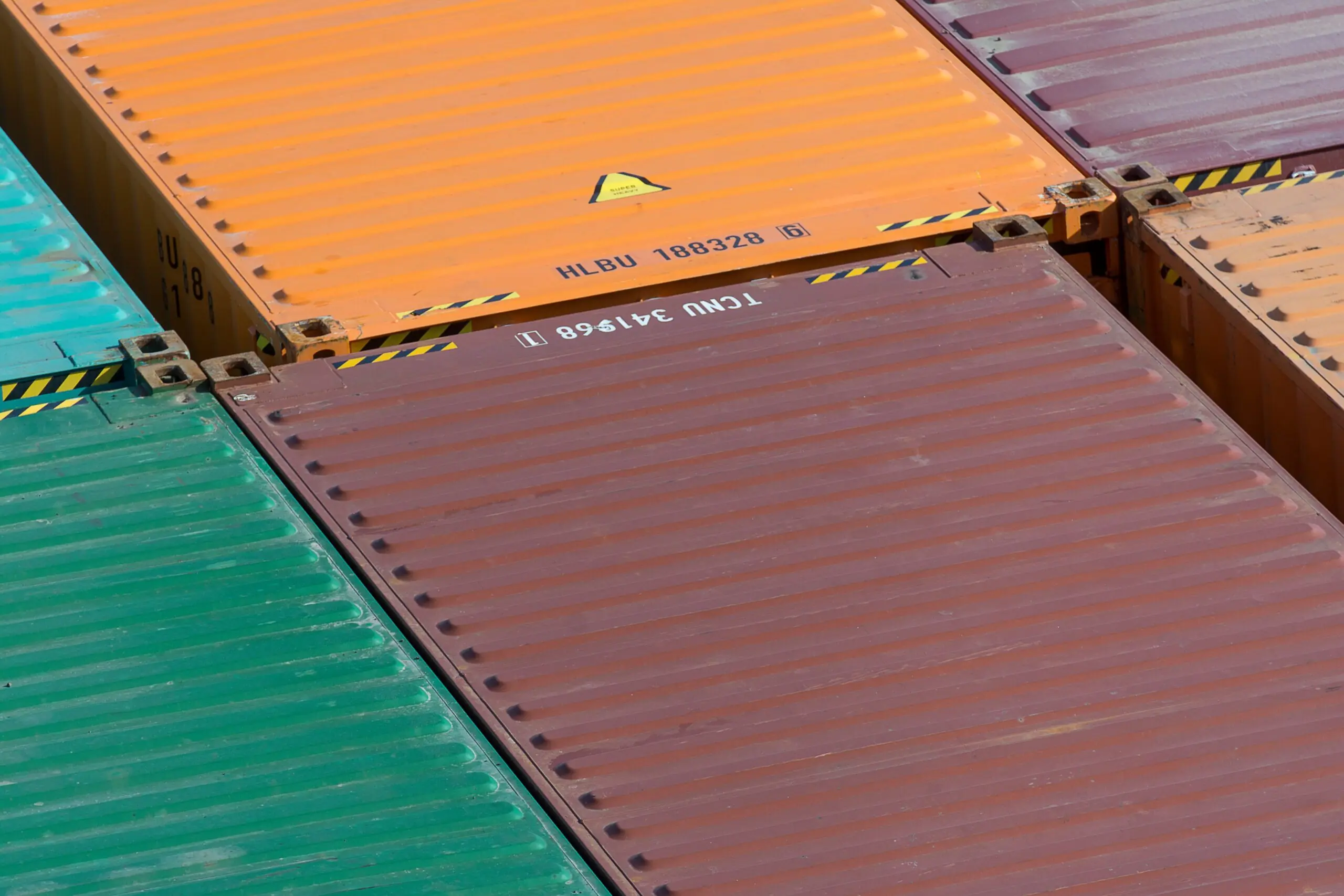
However, the ban is not absolute; specific exemptions have been carved out for industrial and research purposes. The circular allows for the import of certain used production lines, machinery, and equipment that directly serve semiconductor manufacturing, packaging, and testing projects. This includes equipment used in investment projects for the production, packaging, and testing of semiconductor integrated circuits. Furthermore, used technology equipment may be imported if it is used for digital technology training, research, and development activities, provided it fully complies with applicable legal regulations and is not on the prohibited list. These exemptions recognize the high cost of new industrial equipment and the need for specialized tools in the semiconductor and tech development sectors.
The transition period for businesses and individuals is defined by the effective date of the circular. Goods that have already received import approval from competent authorities before January 1, 2027, may continue to be imported in accordance with the terms and validity periods specified in their approval documents. This grandfather clause provides a narrow window for clearing existing inventory or fulfilling pre-approved contracts, but it does not extend to new shipments of used electronics after the deadline.
The economic implications of this ban are likely to be felt most acutely by traders involved in the second-hand electronics market, particularly those dealing in consumer-grade devices from developed economies. The removal of the refurbished product loophole eliminates a segment of the market that often serves price-sensitive consumers. While the ban may protect domestic manufacturers of new electronics and ensure higher quality standards for consumers, it also restricts the availability of lower-cost alternatives. For the industrial sector, the exemptions for semiconductor and R&D equipment suggest a strategic intent to support Vietnam’s growing high-tech manufacturing capabilities without compromising the integrity of the consumer electronics market.
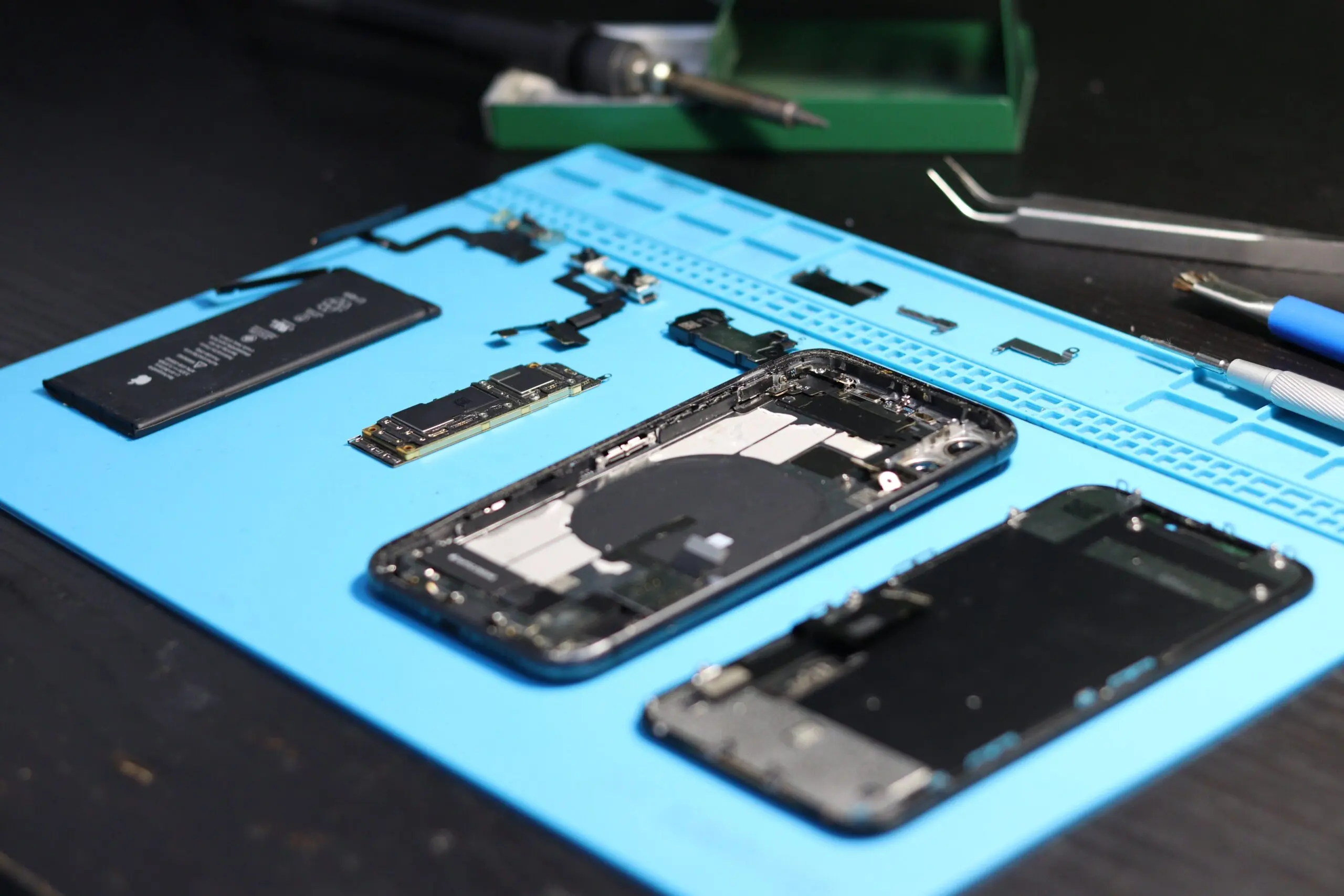
As the deadline approaches, importers are advised to verify the HS codes of their goods against the list issued with the circular. The distinction between prohibited consumer electronics and exempted industrial machinery will be crucial for compliance. The regulation reflects a broader trend among governments to manage the lifecycle of electronic waste and ensure that imported goods meet rigorous technical and safety benchmarks.
The next key step is the formal implementation of these checks at customs points on January 1, 2027. Businesses must ensure that any pending imports of used electronics are cleared or approved before this date to avoid rejection or penalties. The success of the ban will depend on the rigor of enforcement and the clarity of the HS code classifications at the border.