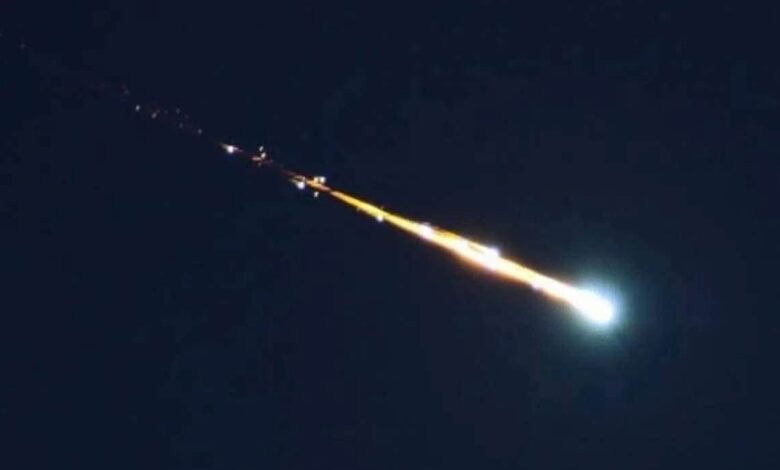
Dang Vu Tuan Son, President of the Vietnam Association of Astronomy and Space Studies (VACA), stated that the event was a “fireball,” a term used for meteors that are significantly larger and brighter than typical shooting stars. Son explained that when a meteoroid enters the Earth’s atmosphere at high speed, friction with atmospheric gases causes it to heat up and glow. In the case of a fireball, the object is unusually large, resulting in a longer duration of burning and greater intensity, which makes it visible to many people across a wide area.
Witnesses in Hanoi, Hai Phong, Lao Cai, and former Thai Binh areas reported seeing the streak shortly after sunset, around 6:00 PM. One resident, Ms. Van from Lao Cai Province, described the front of the streak as white with a pale yellow tail. Although the event was visually striking, Son noted that while ordinary meteors occur daily, fireballs are rare enough that they are infrequently observed and recorded by the public. The visibility of this specific event was exceptional due to its size and the clarity of the sky.
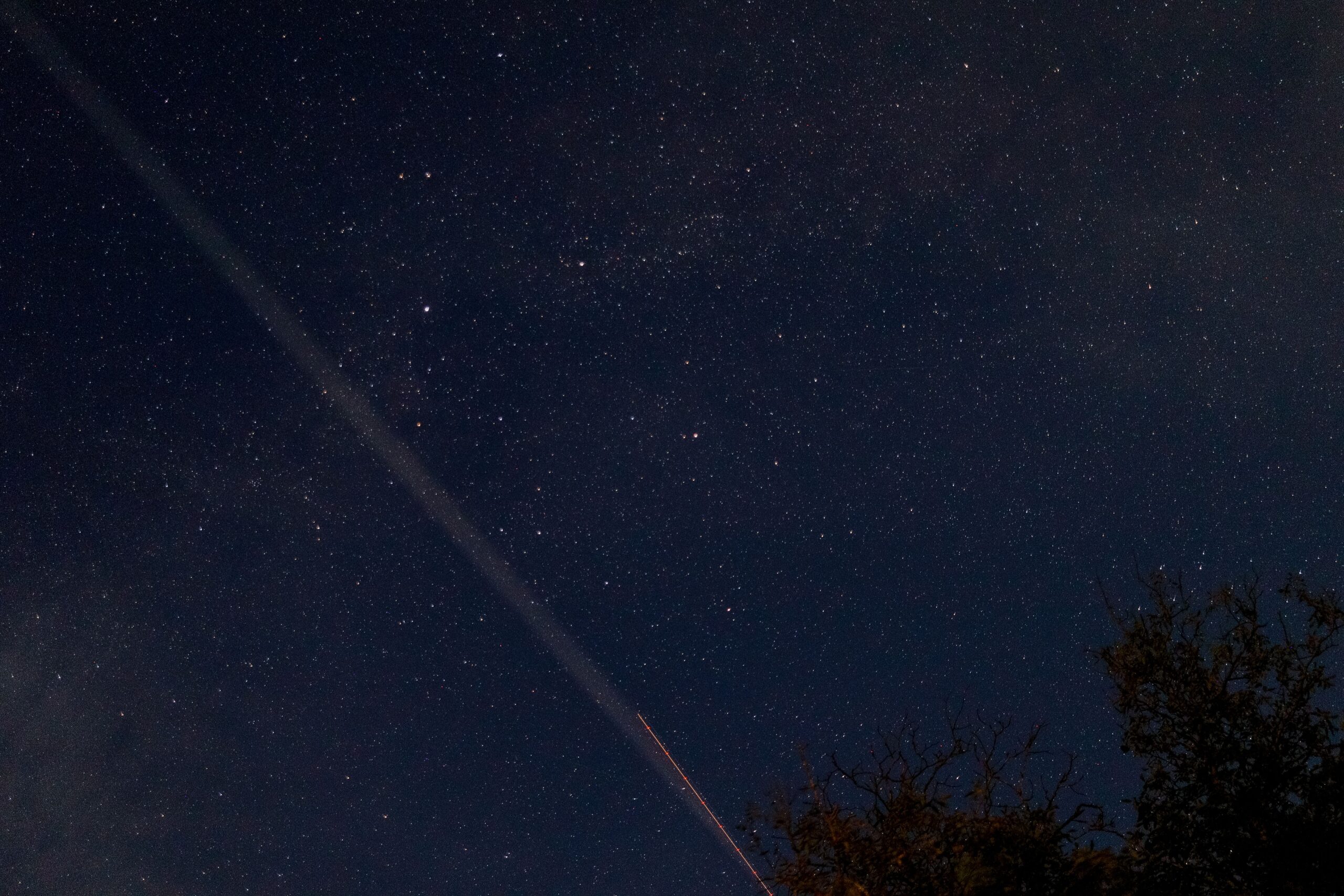
Experts caution that a definitive identification of the object’s specific origin remains preliminary. A representative from the Hanoi Astronomical Society told Tuoi Tre newspaper that while the visual evidence strongly supports the meteor hypothesis, there is currently no official information to definitively identify the object. The representative described the assessment as initial, noting that more observational data would be required for a conclusive determination. The timing of the event coincides with the active period of the Southern Taurids meteor shower, which is known for producing bright fireballs. However, experts note that there is currently insufficient data to confirm that this specific meteor belongs to the Southern Taurids, although the timing is consistent with the shower’s activity window, which peaks in early November.
Regarding the fate of the object, astronomers state that most meteoroids disintegrate and burn up completely in the upper atmosphere before reaching the ground. There have been no reports of meteorite fragments falling to the surface in the affected areas, suggesting the object did not survive its atmospheric passage. The likelihood of a meteoroid remaining intact large enough to reach the Earth’s surface is low. The event has sparked interest among astronomy enthusiasts, with the next notable meteor shower activity expected from the Northern Taurids in mid-November.