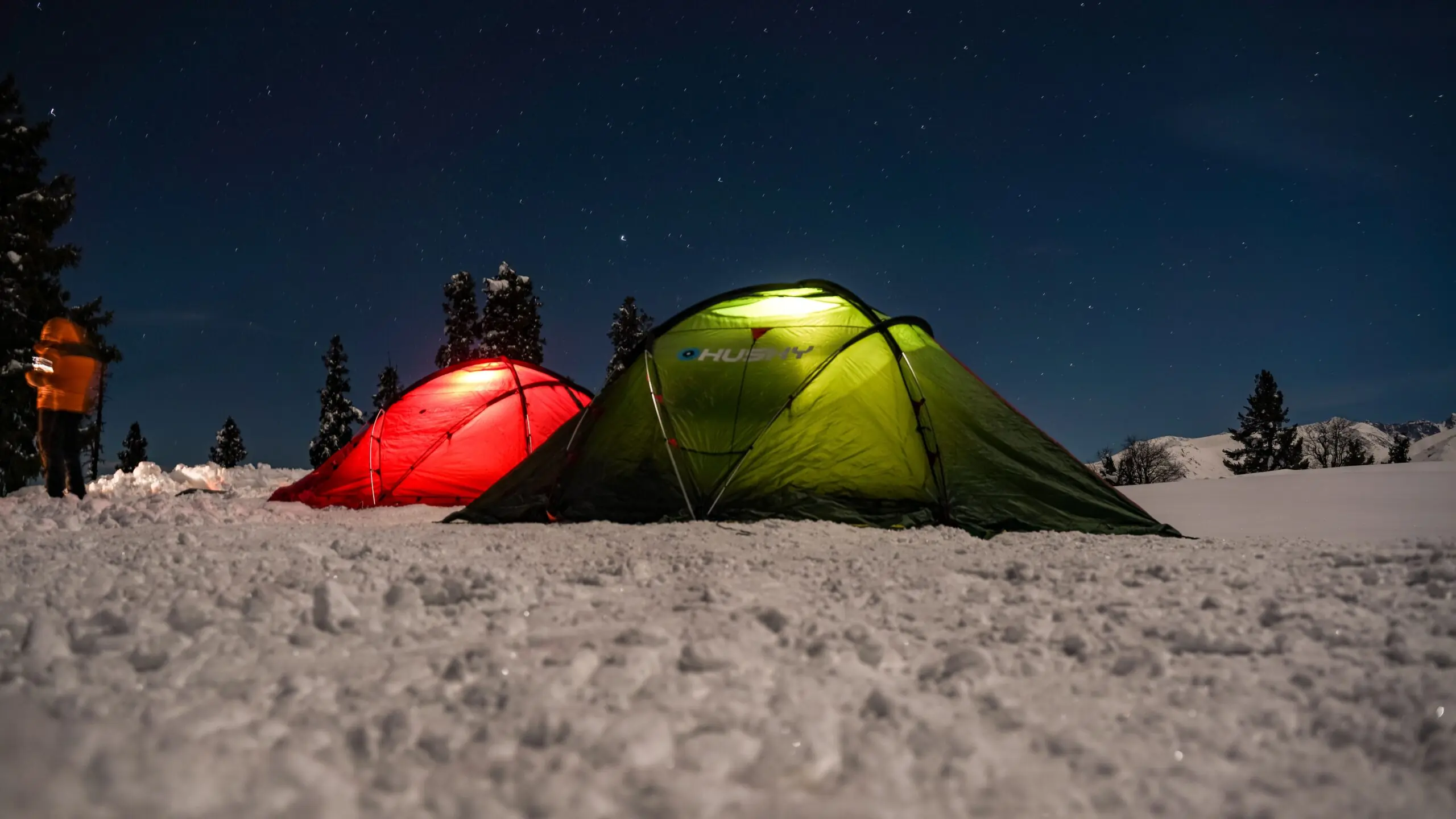
In the village of Polat, located in Malatya province approximately 100 kilometers from the epicenter, nearly all houses were destroyed. Residents reported that the supply of emergency tents is insufficient, forcing up to four families to share a single shelter. Zehra Kurukafa, a resident of Polat, stated that families are sleeping in the mud together due to the lack of available tents. Similar conditions persist in other affected areas, where survivors continue to wait outside collapsed structures for the recovery of missing loved ones.
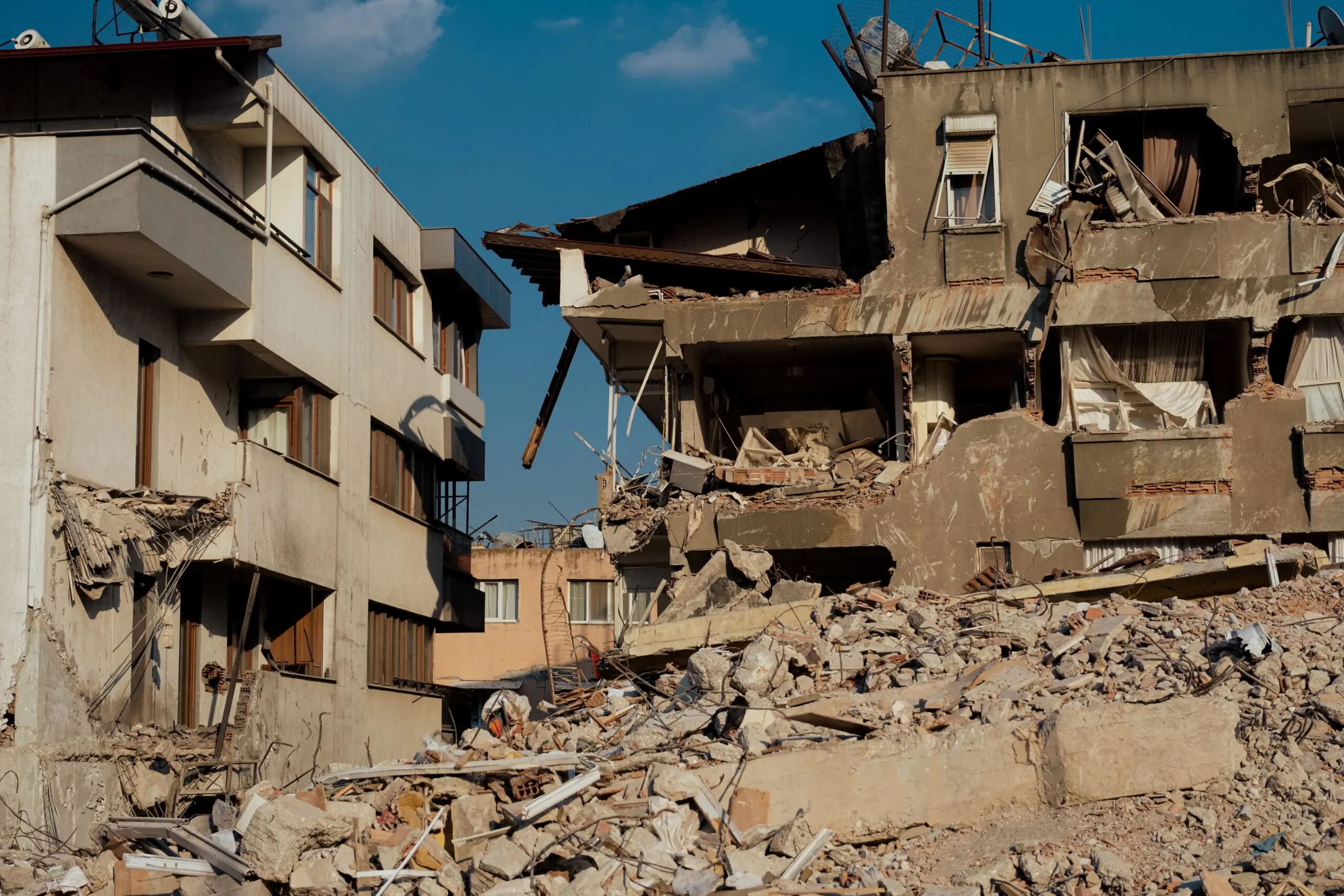
Rescue operations have yielded fewer results as time passes. On Monday, rescuers in the city of Antakya pulled Naide Umay from a collapsed building 174 hours after the initial quake. Other rescues occurred in Islahiye and Besni, where individuals were extracted from the wreckage of multi-story buildings. However, Eduardo Reinoso Angulo, a professor at the Institute of Engineering at the National Autonomous University of Mexico, noted that the likelihood of finding survivors alive is now “very, very small,” citing the physiological limits of the human body to survive without water in freezing conditions.
Displacement has further complicated the crisis. In the city of Adiyaman, many survivors are being transported to western Turkey, but the long-term implications remain unclear. Musa Bozkurt, a 25-year-old resident, expressed uncertainty about his future after losing family members, stating that he and others are moving without a clear plan. Conversely, some residents are reluctant to leave their homes despite the destruction. Fuat Ekinci, a 55-year-old farmer in rural Adiyaman, said he cannot afford to relocate and must remain to tend to his fields, highlighting the economic constraints that prevent many from moving to safer or more supported areas.
Geological aftermath and market reactions
While human suffering dominates the narrative, geological assessments of the physical damage continue. Professor Çağlar Özkaymak, director of the Afyon Kocatepe University Earthquake Application and Research Center, clarified that the jagged surface fractures observed across the region are temporary. He explained that these fractures, which stretched hundreds of kilometers between Hatay, Adıyaman, and Malatya, will superficially close as precipitation erodes the sides over time. Although the surface features may disappear, the underlying morphological changes to the fault lines will persist. Özkaymak also noted that the earthquakes triggered thousands of landslides, particularly in Antakya, as rocks dislodged from high areas fell into valleys.
The economic impact of the disaster has also rippled through financial markets. In the opening session following the quakes, shares of several cement companies listed on Borsa Istanbul, including Konya Cement and Oyak Cement, recorded sharp price increases. In response to potential speculation, the stock exchange introduced restrictions on trading, including prohibitions on short-selling and temporary trading halts for eight companies operating in the earthquake zone. These market movements reflect the anticipated demand for reconstruction materials in the coming months.
As the immediate rescue phase transitions to recovery, the focus shifts to providing adequate shelter and addressing the logistical challenges of displacement. The combination of freezing weather, limited resources, and the scale of destruction means that survivors in the most affected provinces face a prolonged period of uncertainty. While surface geological features will stabilize naturally, the human and infrastructure damage requires sustained international and domestic assistance to address the immediate needs of the millions affected by the tremors.