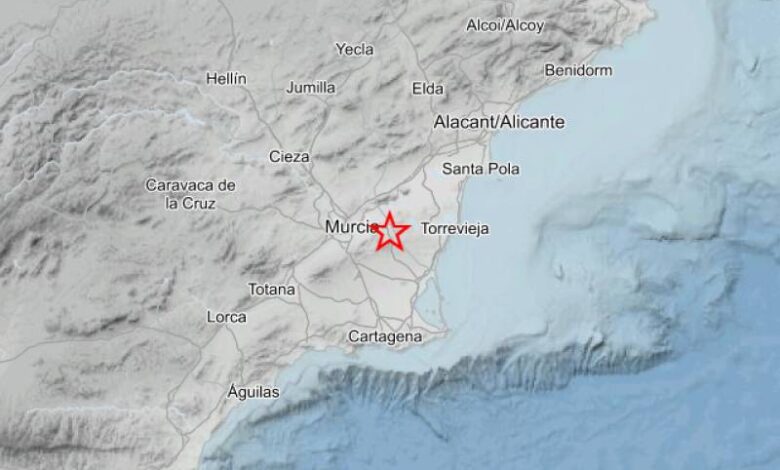
The shallow nature of the first earthquake allowed the tremor to be detected in more than 60 locations, including Murcia city, Orihuela, Torrevieja, San Javier, Molina de Segura, and Pilar de la Horadada. The second tremor was reported in over 40 areas, with residents in San Pedro del Pinatar and Callosa de Segura also feeling the shaking. Spain’s 112 emergency service received a total of 13 calls from residents in Murcia and Beniel who reported feeling the rumbling. Despite the widespread perception of the events, there were no reports of injuries or structural damage associated with either tremor.
These events follow a period of increased seismic activity in the area. A 3.5-magnitude earthquake struck near Beniel on September 25, five days prior. That earlier tremor was felt across a larger portion of the region, partly due to its occurrence during daylight hours when more residents were awake and active. The recurrence of seismic events in the same geographic corridor highlights the ongoing tectonic movement in the zone, which sits close to the border with the Alicante province.
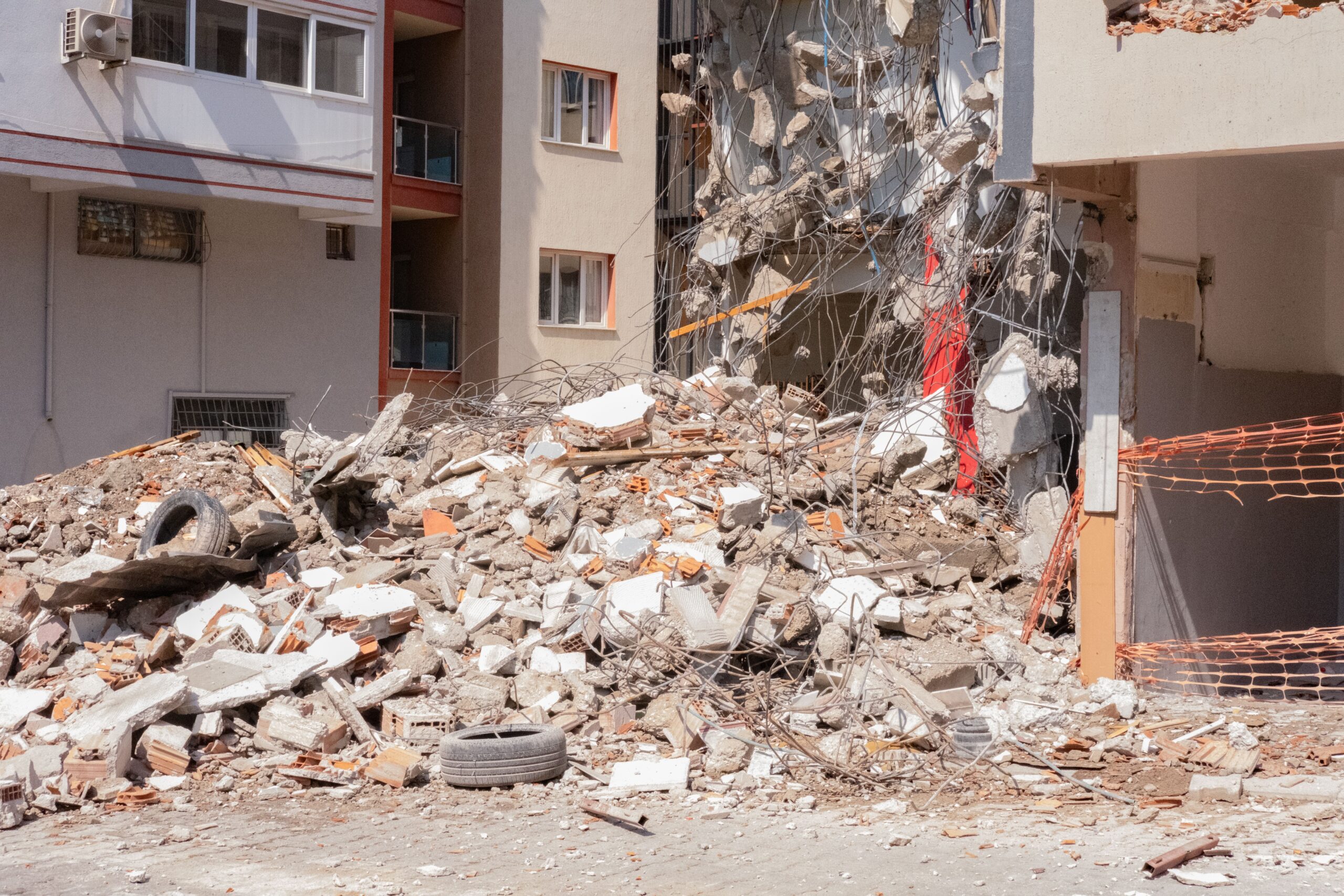
The Murcia region is recognized as one of Spain’s most seismically active areas, with a history of significant earthquakes. The most devastating recent event in the region occurred in 2011, when a 5.1-magnitude earthquake struck Lorca. That disaster resulted in nine deaths, more than 300 injuries, and widespread destruction of infrastructure and historic buildings. In contrast, the recent tremors were far weaker in magnitude. However, scientists note that shallow earthquakes, such as the 3-kilometer depth recorded on Wednesday, can produce noticeable shaking over a broad area even at lower magnitudes, as the energy dissipates less through the earth’s crust before reaching the surface.
Authorities have not issued specific warnings for future seismic activity, but the recent sequence of three earthquakes within ten days suggests continued instability in the local fault system. Residents in the affected areas, including the Vega Baja district of Alicante and the Mar Menor coastal towns, remain alert. While no immediate threat to public safety has been identified, the Spanish National Geographic Institute (IGN) continues to monitor seismic data to assess whether the recent cluster of events represents a temporary release of tectonic stress or a precursor to further activity.

The lack of damage in the current events is consistent with the low magnitude of the tremors. Earthquakes of this size typically do not cause structural harm, though they can disrupt sleep and cause minor psychological distress among residents. The 112 emergency service has confirmed that all calls received were from individuals seeking reassurance or reporting the sensation of the ground moving, rather than reporting actual incidents of harm. Local authorities are advising residents to remain calm and to follow standard safety protocols in the event of stronger tremors, which would include moving away from windows and heavy furniture.