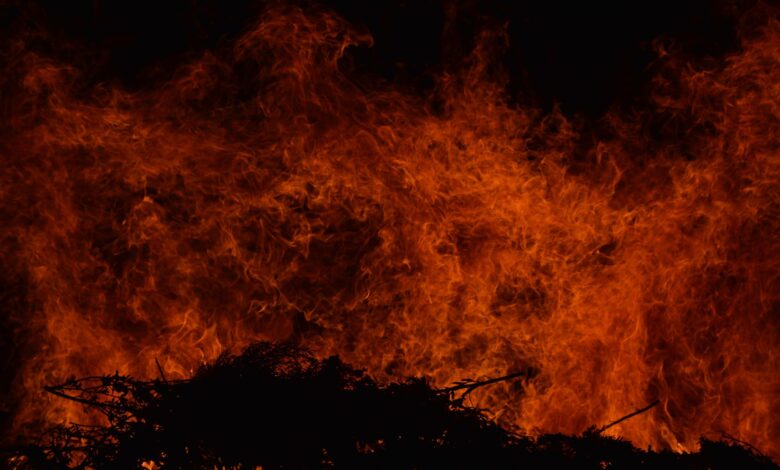
In France, the situation has reached a critical point on the southwest coast, where authorities ordered the evacuation of the entire Cap Ferret peninsula. Located west of Bordeaux, this area is a well-known tourism destination. Hundreds of people escaped the immediate danger zone by boat as firefighters continued their efforts to contain the blazes. Tens of thousands of residents and visitors are currently being evacuated from the region as the fires in the Gironde department have raged for several days.
The combined displacement figure of over 300,000 individuals highlights the scale of the environmental and humanitarian impact. While the Spanish government’s move to a national emergency signals the severity of the situation in that country, the specific details regarding the extent of the Spanish fires remain under active management by local authorities. The simultaneous crises in both nations have strained firefighting resources and emergency services across the Pyrenees border region.

The fires in the French Gironde region have persisted for days, indicating a challenge to containment operations. The evacuation of a populated peninsula such as Cap Ferret requires complex logistical coordination, particularly given the coastal geography that limits land-based escape routes. The use of boats for evacuation underscores the immediacy of the threat to coastal infrastructure and residential areas.
Both countries are currently focused on life safety and the stabilization of fire lines. The national emergency status in Spain allows for the mobilization of additional resources and the imposition of stricter controls to manage the crisis. In France, the evacuation order for the tourism hub reflects a precautionary approach to prevent greater loss of life and property as the weather conditions continue to favor the spread of the flames.

The ongoing response involves continuous monitoring of fire behavior and the coordination of international support where necessary. As the fires remain active, the focus remains on the safe relocation of the remaining at-risk populations and the protection of critical infrastructure. The full extent of the environmental damage to the forests and habitats in the affected regions will require further assessment once the fires are fully extinguished.