
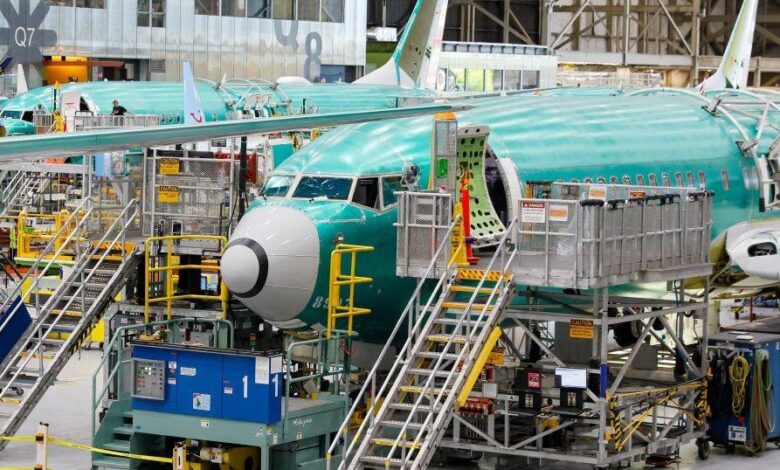
The glitch occurs under specific conditions: when a pilot using autopilot for a precision approach makes changes to their pre-programmed flight plan during a missed approach. In these rare circumstances, the flight management computer may fail to maintain the pre-planned altitude at various waypoints, leading to the VNAV disengagement. While the autopilot continues to function, pilots must take additional manual steps during the subsequent approach. This scenario typically unfolds in low-altitude airport environments where crew workload is already high, raising concerns about introducing distractions at critical moments.
Boeing informed all 737 operators last month that the issue is not an immediate safety threat, noting that pilots are trained to land safely without VNAV. The company stated its engineers are developing a permanent software update. The software in question, developed by GE Aerospace, surfaced in versions 14 and 14.1 of the operating system. GE Aerospace confirmed it is working closely with Boeing to support the FAA’s evaluation.
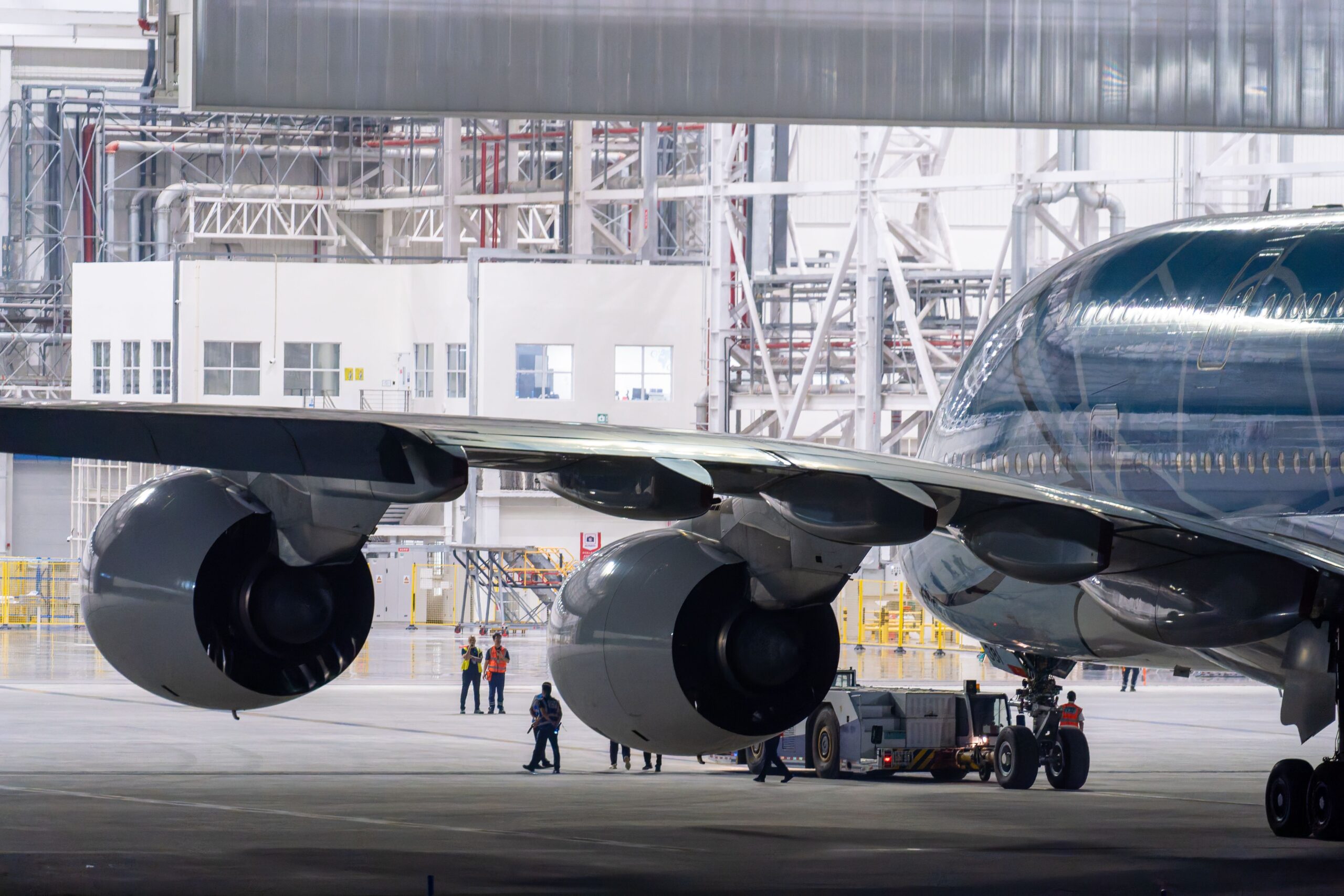
Several major carriers, including Southwest Airlines and United Airlines, have declined to accept new aircraft equipped with the affected operating system, opting instead for a previous version. Alaska Airlines, American Airlines, Allegiant Air, Southwest, and United have confirmed that none of their in-service 737 Max fleets currently use the software version in question.
This regulatory intervention arrives against a backdrop of renewed scrutiny regarding Boeing’s internal safety culture. Last month, Daniel Lussier, a machinist at Boeing’s Wichita plant, died after falling through floorboards during a workplace accident. The International Association of Machinists (IAM) is demanding a transparent investigation, arguing that workers have reported similar incidents and safety deficiencies, pointing to systemic issues rather than an isolated event. Boeing stated it is deeply saddened by the loss and is investigating the accident with a commitment to understand the cause and prevent future incidents.
The pattern of quality and safety concerns extends beyond commercial aviation into the aerospace sector. In February, NASA released a 311-page investigative report on the 2024 failures of the Boeing Starliner space vehicle, which resulted in a crew being housed on the International Space Station for nine months. The report faulted both NASA and Boeing, identifying cultural and safety shortcomings in Boeing’s Defense, Space and Security division that are eerily similar to those previously identified in the Commercial Airplanes division. These cultural issues are notably linked to the origins of the 737 Max program. In 2018, the Maneuvering Characteristics Augmentation System (MCAS) drove Lion Air Flight 610 into the Java Sea, killing all 189 aboard. At the time, Boeing had withheld information about the system’s existence and operation from airlines and the FAA, partly to avoid the cost of simulator training which would have impacted competitiveness against the Airbus A320neo.
Boeing CEO Kelly Ortberg is currently engaged in high-profile efforts to change the culture within the company. The FAA’s decision to convene a Corrective Action Review Board for the 737 Max 10 software issue signals a cautious approach, prioritizing the verification of safety before proceeding with certification. The agency stated it will take immediate action if it identifies a safety concern during this review.
The delay in the 737 Max 10 certification highlights the ongoing challenges Boeing faces in restoring confidence in its manufacturing and software processes. As the FAA continues its evaluation, the focus remains on ensuring that both the new aircraft software and the broader organizational safety standards meet the rigorous requirements of modern aviation.