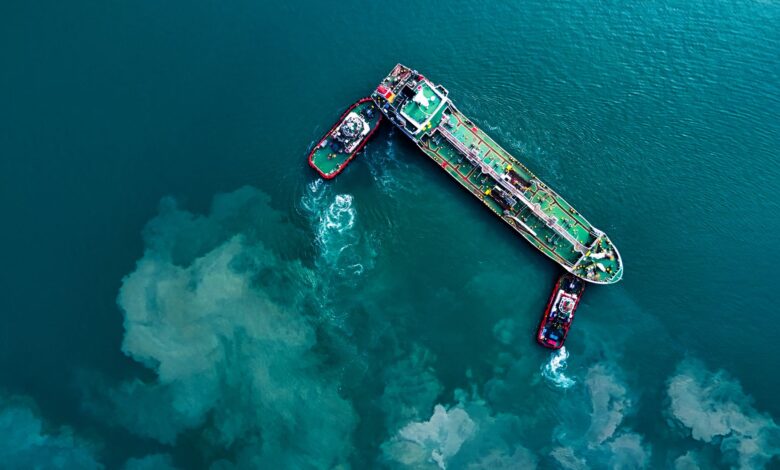
The Strait of Hormuz continues to function as the primary conduit for a significant portion of the world’s oil and natural gas. For Gulf states, the ability to maintain export volumes is not merely an economic priority but a strategic imperative. The recent uptick in LNG traffic suggests that shipping routes and terminal operations have adapted to the heightened security environment. Carriers are moving gas cargoes through the waterway, indicating that the infrastructure required to load and transport these high-value commodities remains operational despite the proximity of active conflict zones.
Operational Continuity Amidst Risk
However, the phrase “keeping oil and gas moving” masks the underlying friction in the supply chain. Crossing Hormuz remains a risky proposition. The presence of military assets and the threat of disruption have led to increased insurance premiums and stricter security protocols for tankers and LNG carriers. While the volume of exports has recovered, the reliability of specific delivery schedules has been compromised. Some customers in Asia and Europe are still missing contracted cargoes, a direct consequence of the logistical bottlenecks and safety pauses that characterize the current maritime environment.
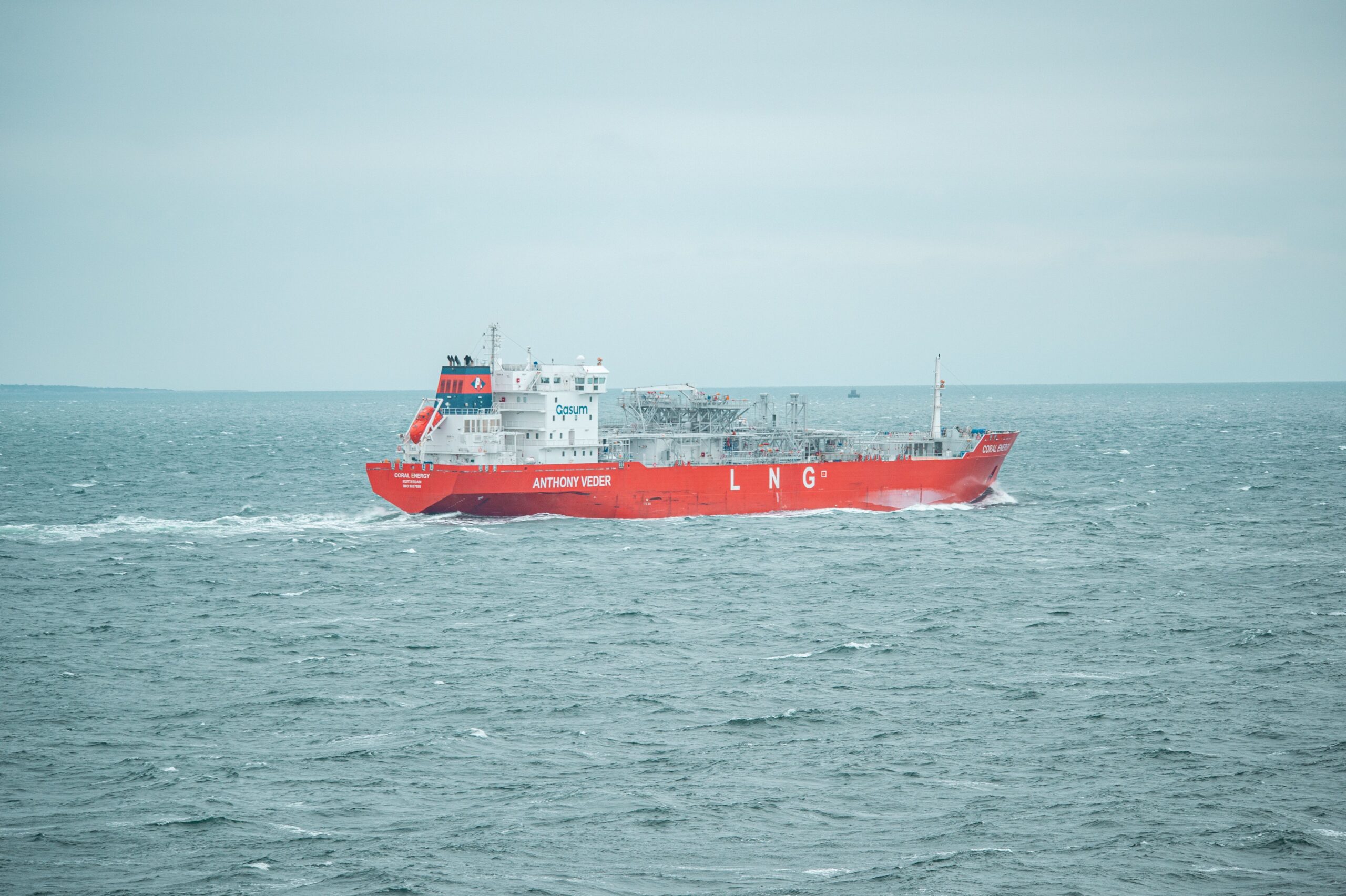
This intermittent reliability creates a complex dynamic for global buyers. For refineries and gas plants that depend on just-in-time deliveries, the absence of a contracted cargo can force a shift to more expensive spot-market alternatives or, in some cases, lead to temporary curtailments in processing capacity. The data shows that while the aggregate export figures are robust, the distribution of that flow is uneven. The “missing” cargoes represent a tangible cost to downstream industries, highlighting that while the pipeline is open, it is not flowing with the predictability required for long-term industrial planning.
Despite the ongoing war, Gulf exporters are finding ways to keep oil and gas moving, but the strait remains a point of high risk.
The recovery in LNG traffic is particularly noteworthy given the infrastructure required to support it. Unlike crude oil, which can be stored in vast tank farms, LNG requires specialized carriers and dedicated terminal facilities. The fact that this traffic is picking up indicates that the technical and commercial arrangements for gas export have withstood the pressure of the conflict. It suggests that the energy producers in the Gulf are prioritizing the maintenance of gas export relationships, recognizing that the gas market is often more sensitive to supply interruptions than the oil market, which has larger buffer stocks globally.
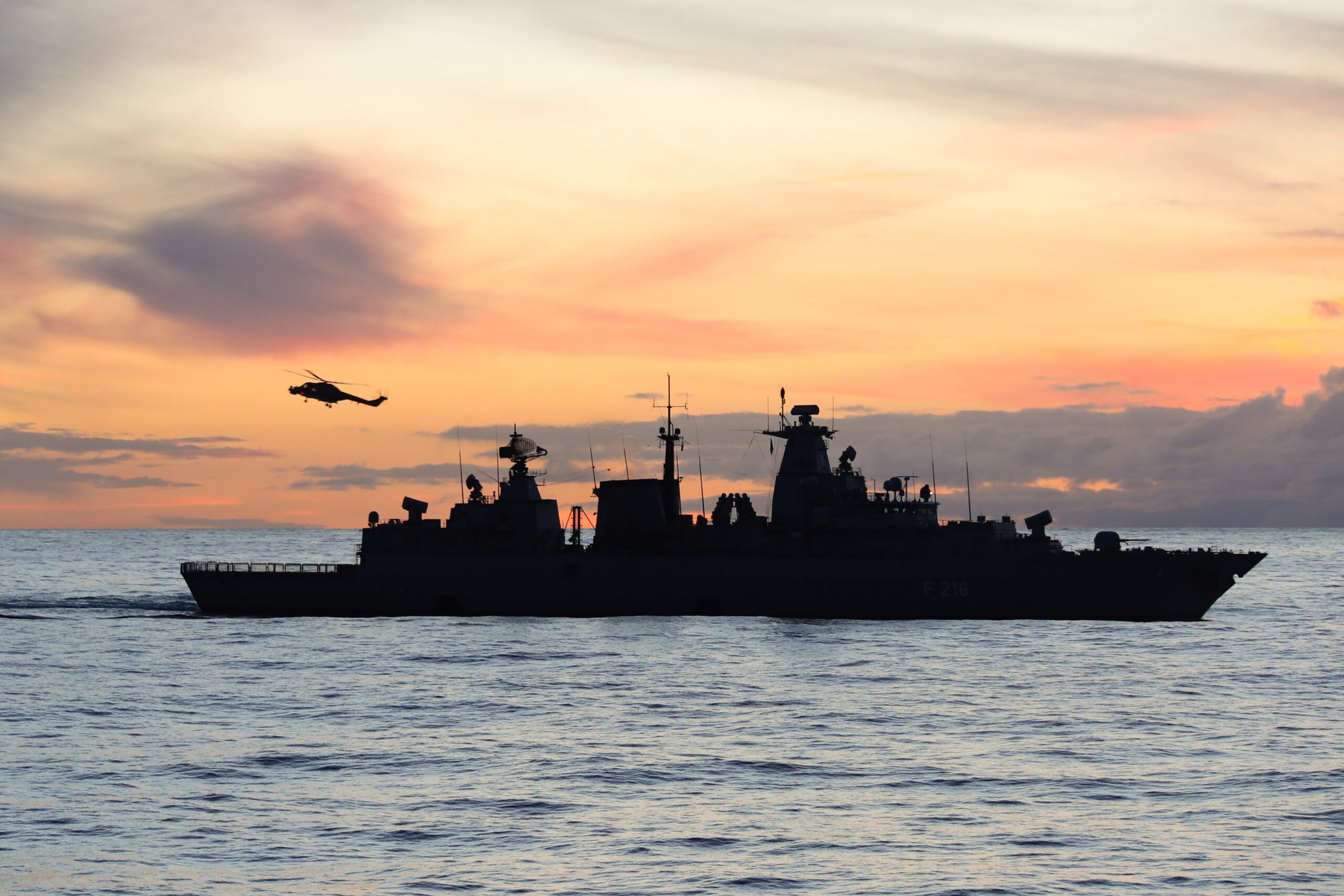
Nevertheless, the uncertainty remains the defining feature of the current energy situation. The conflict with Iran has not been resolved, and the risk of escalation continues to loom over the strait. For grid operators and energy traders, this means that the baseline for risk assessment must remain elevated. The availability of hedging instruments and the cost of insurance will continue to fluctuate in response to any development in the conflict. The fact that some customers are still missing cargoes serves as a reminder that the energy system is functioning under stress, not in a state of normalcy.
As the months progress, the focus will shift from whether exports can continue to how reliably they can be delivered. The Gulf exporters have proven they can keep the valves open, but the journey from the loading dock to the final destination is fraught with variable risks. For the global market, the message is clear: supply is available, but the price of that availability includes a premium for uncertainty. The next verified development will likely hinge on whether the current level of maritime security can be sustained long enough to fully restore the flow of contracted cargoes, or if further disruptions will test the resilience of the global energy supply chain even further.