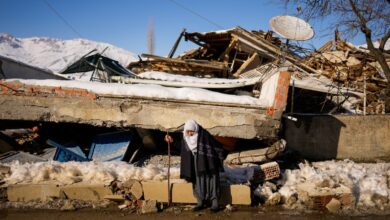
The recent wave of landslides and persistent heavy rainfall has claimed the lives of around 30 people, adding to the toll of the earlier flooding events. While the specific meteorological drivers of this latest episode are part of a broader pattern of seasonal instability, the recurrence of such high-impact events within a single month underscores the fragility of the mountainous landscape. The transition from floodwaters to soil saturation and subsequent slope failure represents a rapid and deadly cycle that has overwhelmed local communities and infrastructure.
Nepal’s geography makes it particularly susceptible to these types of compound disasters. The steep gradients of the Himalayas mean that heavy precipitation can quickly translate into erosion and landslides. When the ground is already saturated from previous rain events, as was the case following the catastrophic flooding of the prior month, the capacity of the soil to absorb additional water is significantly reduced. This physical reality creates a heightened risk of slope instability, where even moderate rainfall can trigger catastrophic sliding of earth and rock.
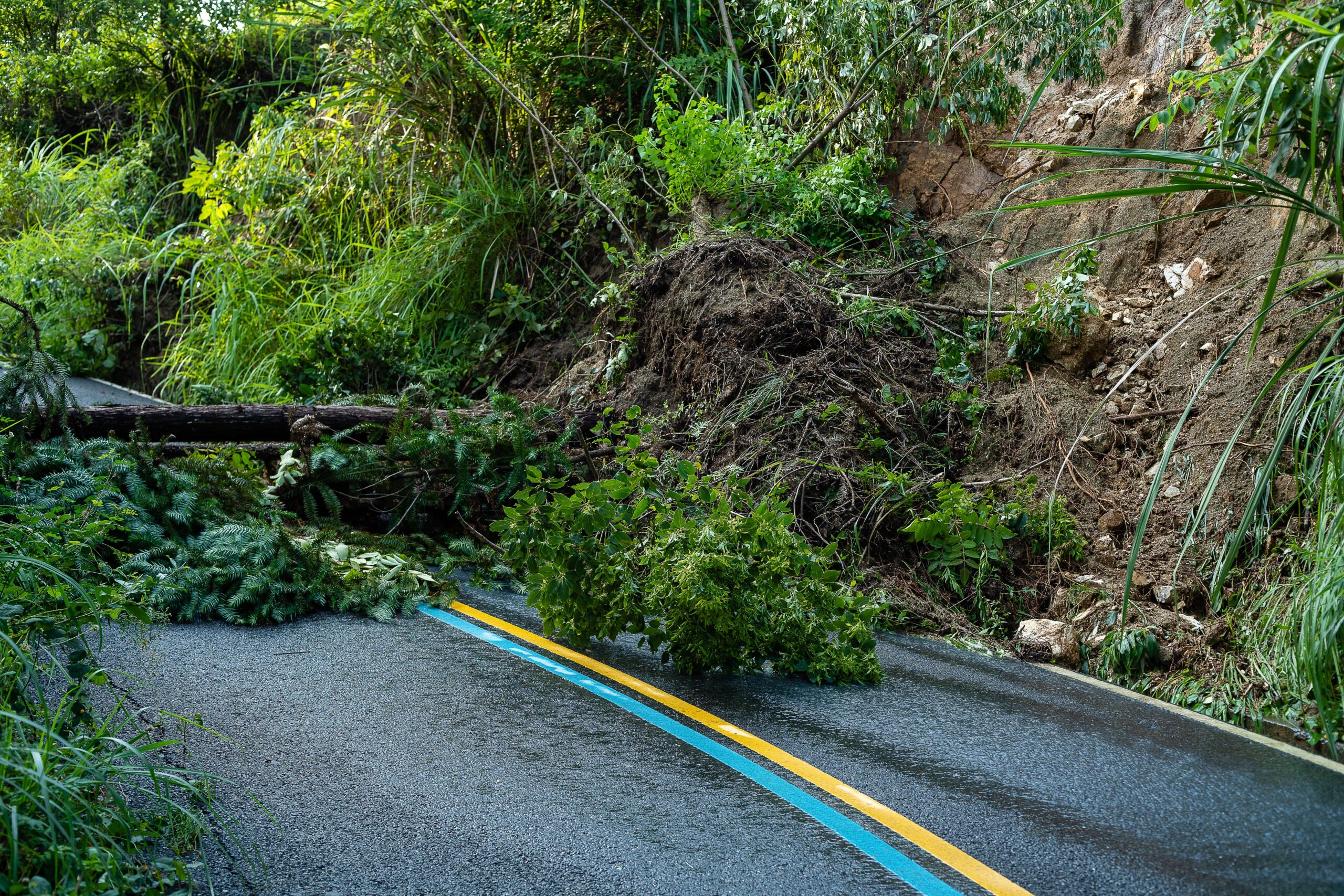
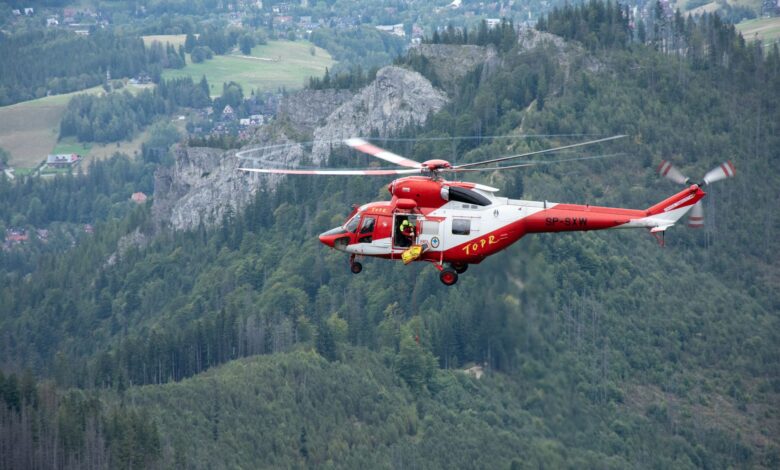
The impact of these landslides extends beyond immediate loss of life. The events have disrupted access to remote communities, isolating residents and complicating the delivery of essential supplies and medical aid. The need for helicopter evacuations for trekkers indicates that ground routes are either blocked by debris or deemed too unsafe for travel. For the local populations living in these valleys, the landslides threaten not only immediate physical safety but also the long-term viability of their land, which is often already degraded by previous environmental stresses.
The frequency and intensity of these weather-related disasters are consistent with the broader global trends of increasing climate volatility. While attribution for any single event is complex, the pattern of escalating extreme weather events in the Himalayan region is well-documented. Rising temperatures and changing precipitation patterns are altering the monsoon dynamics that have traditionally governed the region’s climate. This shift means that communities are facing weather events that are more severe and less predictable than those experienced in previous decades.
Rescue and recovery efforts remain the immediate priority. The deployment of air assets to extract stranded individuals highlights the critical role of rapid response in minimizing loss of life in such remote and difficult terrain. However, the reliance on such emergency measures also points to the limitations of current infrastructure in coping with the scale of these natural hazards. Long-term adaptation strategies, including improved early warning systems, land-use planning, and infrastructure reinforcement, are essential to reducing vulnerability in the future.
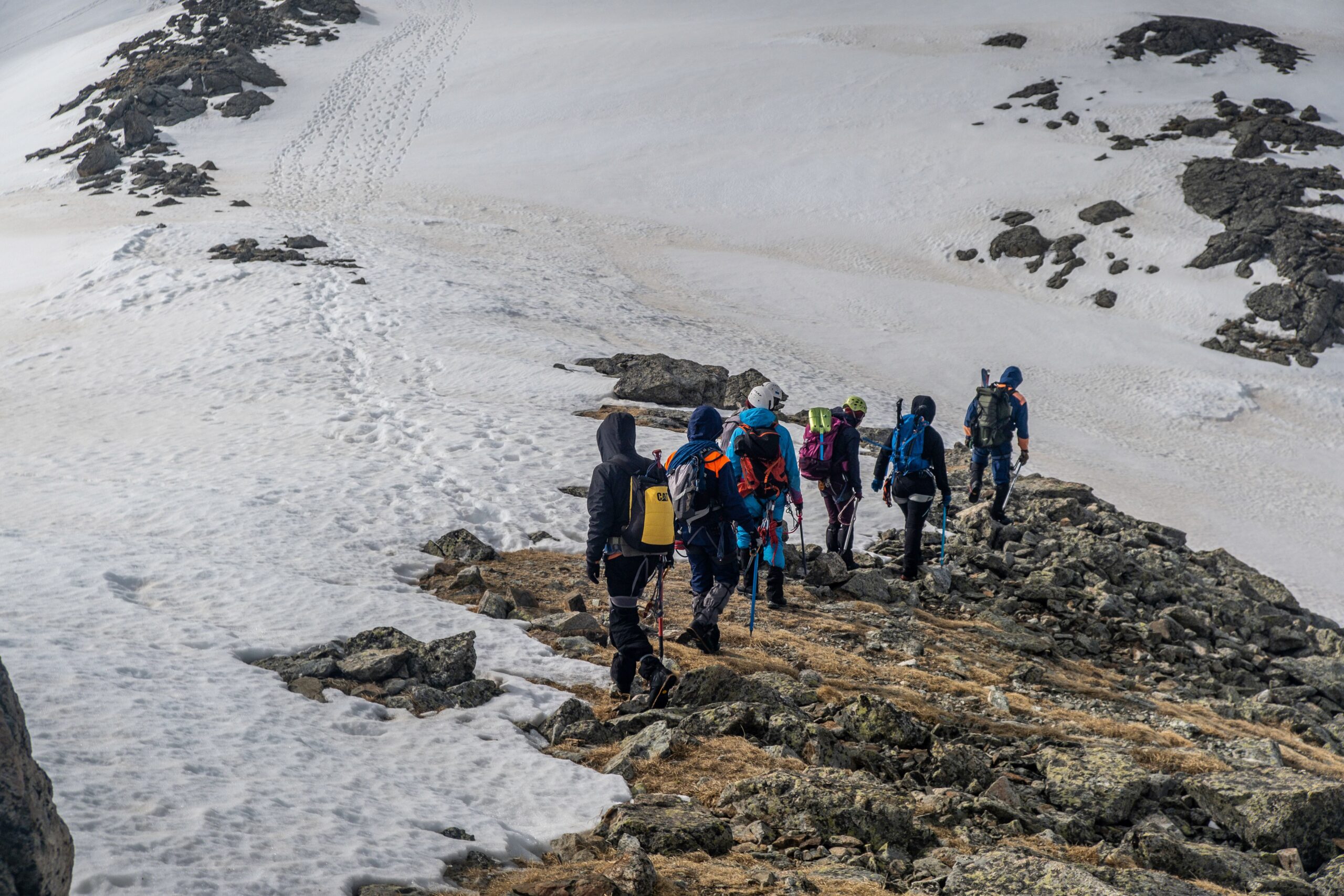
As the rains continue to affect the region, the focus remains on the safety of those still in the field and the support for communities grappling with the aftermath of the landslides. The recent deaths serve as a somber reminder of the acute risks posed by the changing climate in the Himalayas. The next phase of response will involve assessing the full extent of the damage, providing aid to affected families, and working to stabilize the affected areas to prevent further instability.
The landscape of Nepal is undergoing a period of intense environmental pressure, where the memory of the catastrophic floods is still fresh and the threat of further landslides remains immediate. The resilience of the people in these regions is being tested, and the effectiveness of the international and national response will be crucial in supporting recovery and building capacity for future challenges.