
The implementation of this large-scale grid-level storage unit is designed to significantly enhance the local grid’s regulating capacity and power supply reliability. By enabling functions such as grid frequency regulation and peak shaving, the system supports the integration of renewable energy sources on a large scale. The project marks a concrete step in Hungary’s strategy to modernize its electricity infrastructure, a priority established in response to the recent summer energy crisis.
The launch of this facility coincides with a broader national energy development plan approved by the Hungarian government. Prime Minister Péter Magyar announced the comprehensive strategy, which includes expanding energy storage capacity, modernizing the electricity grid, and launching new wind power and geothermal energy projects. The investments are financed through a combination of domestic funds, European Union support, and private capital. The government has introduced financing models designed to allow both the state and host municipalities to derive financial benefits from these developments.
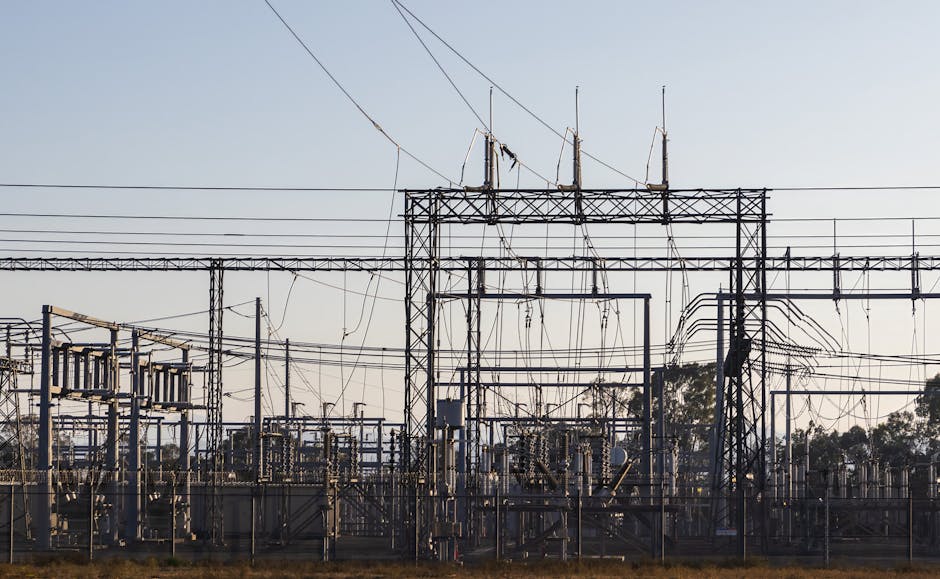
The urgency of these infrastructure upgrades was underscored by the challenges faced during the recent heatwave. Prime Minister Magyar reported that the electricity system’s balance was preserved, averting a complete shutdown of the Paks Nuclear Power Plant. He noted that the situation at the plant had stabilized as the Danube’s water level rose to seven centimetres above the minimum operational threshold. Although one of the plant’s pumps briefly shut down automatically due to extreme heat, it was expected to resume operation shortly. Magyar described the national effort to reduce electricity consumption as critical during these periods of high demand.
Beyond the energy sector, the government addressed other emergency situations caused by the heatwave. A wildfire covering approximately 150 hectares near a MOL facility outside Székesfehérvár was extinguished, while another fire affecting around 100 hectares of vegetation near Dédestapolcsány in north-eastern Hungary was being fought with the support of military helicopters. Authorities reported that drinking water supplies remained stable across almost the entire country, though disaster management teams and the armed forces were deployed where assistance was needed. Over the previous two days, officials distributed around 140,000 litres of drinking water to motorists and rail passengers affected by traffic disruptions.

The commissioning of this battery storage project also highlights the expanding presence of Chinese technology firms in the European energy market. BYD, whose energy storage business began in 2008, has delivered large-scale storage projects in more than 110 countries and regions. The company stated that the Hungarian project aligns with a wider trend of Chinese battery and storage manufacturers expanding their overseas operations. Recent moves by similar firms, including strategic agreements for marine battery systems and new grid-level projects in Japan, indicate a growing global footprint for these providers.
With the new storage capacity now operational, the focus shifts to its role in managing future demand peaks and integrating variable renewable generation. The project represents a key technical milestone in Hungary’s efforts to diversify its energy mix and ensure resilience against supply disruptions.
