
The decision leaves Algeria as the only publicly identified export customer for the Su-57E variant, although Russian officials have claimed agreements exist with other undisclosed nations. New Delhi’s strategy now focuses on extracting greater capability from its current industrial infrastructure and operational assets rather than integrating a new foreign platform. This approach aligns with a broader defense policy aimed at reducing external dependency while bridging the capability gap until domestic systems enter full service.
The Indian Air Force’s combat fleet is currently anchored by the Su-30MKI, with approximately 260 aircraft in service. To extend the operational life and relevance of this backbone force, India is preparing a substantial modernisation programme often referred to as the “Super Sukhoi” upgrade. These planned improvements include the integration of new avionics, advanced electronic warfare capabilities, updated weapons systems, and enhanced navigation systems. Additionally, the Ministry of Defence has contracted Hindustan Aeronautics Limited (HAL) to manufacture 12 additional Su-30MKI fighter jets for INR135 billion. These new airframes, which are reported to contain 62.6% indigenous content, are primarily intended to replace aircraft lost to attrition over the years.
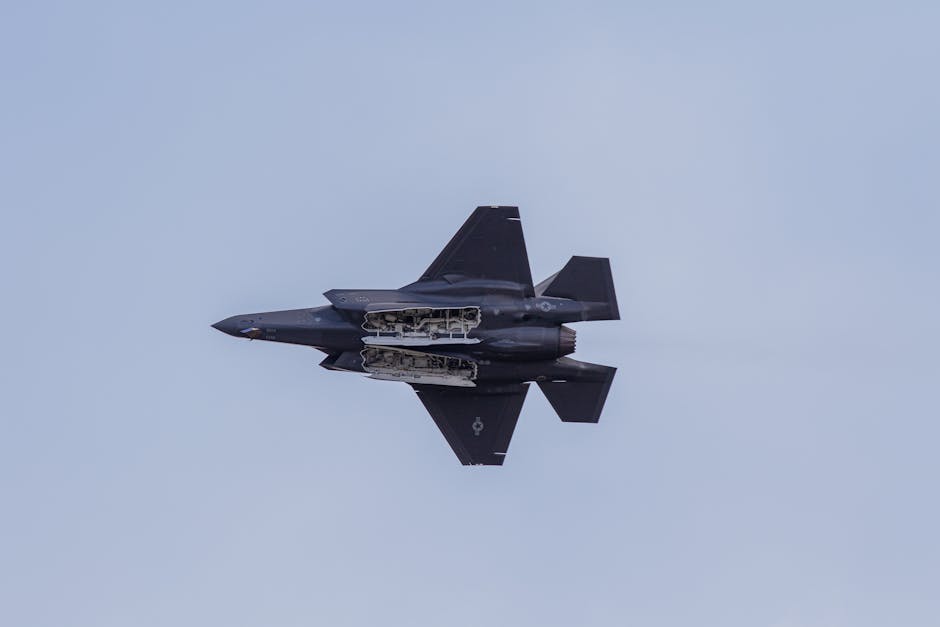
Concurrently, India is advancing the Advanced Medium Combat Aircraft (AMCA), its indigenous fifth-generation fighter programme. The government has approved an execution model that allows both public and private Indian companies to compete for roles in prototype development. Work has also commenced on a dedicated integration and flight-test centre in Andhra Pradesh, a critical step toward bringing the AMCA to operational readiness. While sections of the Indian Air Force had previously examined the possibility of acquiring two or three Su-57 squadrons to provide limited fifth-generation capability during the transition, the current administrative stance favors the AMCA timeline.
India’s fighter fleet modernization is not limited to Russian-origin aircraft. The country is also expanding its Rafale programme through domestic manufacturing. Dassault Aviation and Tata Advanced Systems are establishing a facility in Hyderabad to produce major Rafale fuselage sections for both Indian and international customers. Although the first sections from this facility are not expected until the 2028 financial year, the partnership represents a significant step in deepening industrial cooperation. By focusing on Su-30MKI upgrades, domestic Rafale production, and the AMCA, India aims to maintain a robust air defense posture without incurring the costs and complexities associated with introducing a new fifth-generation foreign aircraft type.
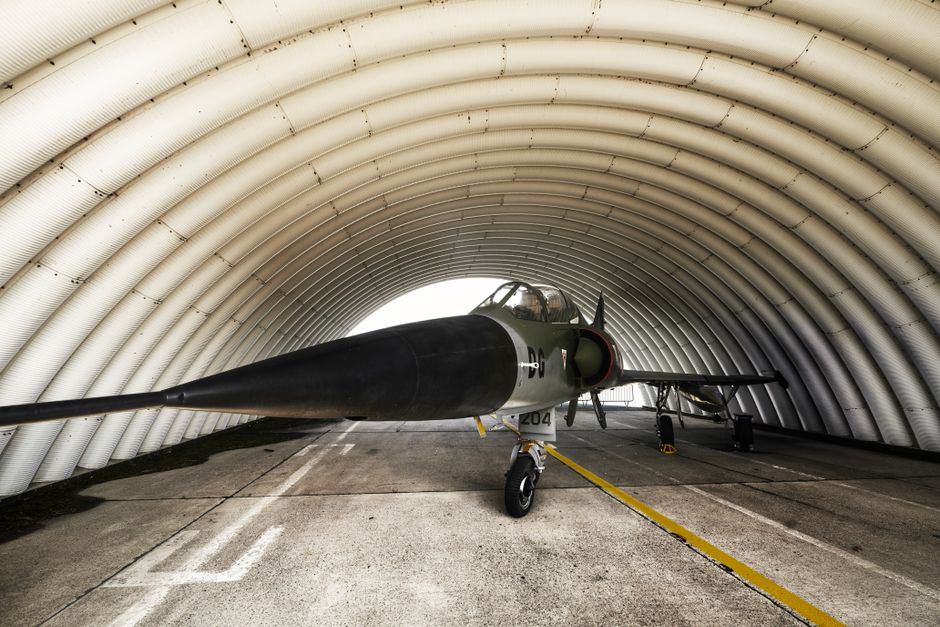
The Su-57 has been repeatedly discussed as a potential bridge for India while it awaits the AMCA. However, the current procurement strategy indicates a preference for depth over new types, leveraging the existing Su-30MKI fleet and domestic manufacturing capabilities. This shift underscores a broader trend in Indian defense policy toward self-reliance and the strategic integration of private sector participation in advanced aerospace projects.
