
The bombardment focused on dual-use and civilian infrastructure, combining attacks on residential structures with strikes aimed at the energy grid. This pattern of targeting seeks to degrade Ukraine’s capacity to sustain both civilian life and defensive operations by disrupting the supply of electricity and heat. The immediate consequence of the strikes was a localized loss of power in key parts of Kyiv, affecting residents and potentially critical services in the affected zones.
Ukrainian authorities have confirmed the damage to energy facilities, noting that repair crews are working to restore service to the impacted districts. The strikes mark another instance of Moscow’s strategy to pressure Ukraine through sustained attacks on its energy backbone. By targeting power generation and distribution assets, the Russian military aims to create long-term vulnerabilities in Ukraine’s infrastructure, forcing the country to divert resources toward reconstruction and emergency maintenance.
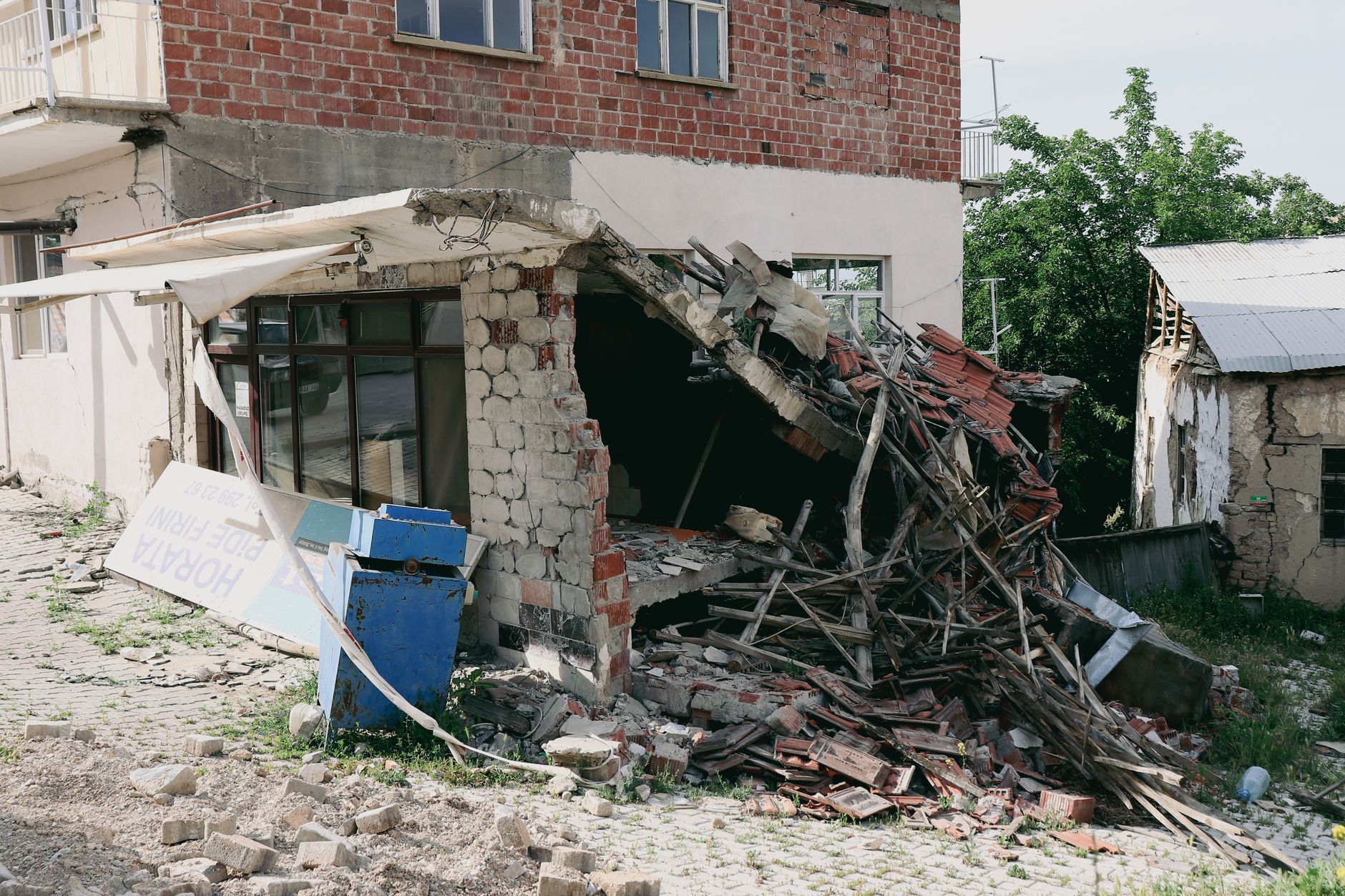
The use of aerial assets to strike residential and utility targets highlights the ongoing risks posed to civilian populations during wartime. While specific casualty figures from this particular overnight cycle are not yet fully detailed in initial reports, the damage to residential buildings indicates potential for loss of life and injury among civilians. International observers continue to monitor the frequency and intensity of these attacks, which have become a consistent feature of the conflict in recent months.
Previous waves of attacks have similarly targeted power plants, substations, and residential complexes, causing widespread blackouts and forcing residents to rely on backup generators. The current strikes add to the cumulative strain on Ukraine’s energy sector, which has faced repeated assaults throughout the conflict. Restoration efforts are underway, but the durability of repairs remains a concern given the recurring nature of the threats. Authorities advise residents in affected areas to remain vigilant and follow official guidance regarding utility safety.
The strategic intent behind targeting energy infrastructure is to undermine morale and disrupt the logistical support necessary for both the military and the civilian economy. As Ukraine continues to defend its airspace and recover from damage, the focus remains on stabilizing the power grid and ensuring the safety of citizens. The next phase of operations will likely involve continued defensive measures and international support for infrastructure resilience, as both sides engage in a prolonged contest over Ukraine’s territorial integrity and functional stability.
