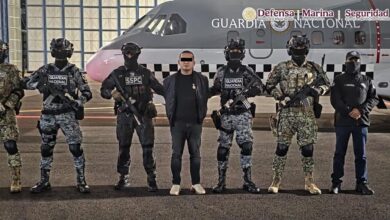
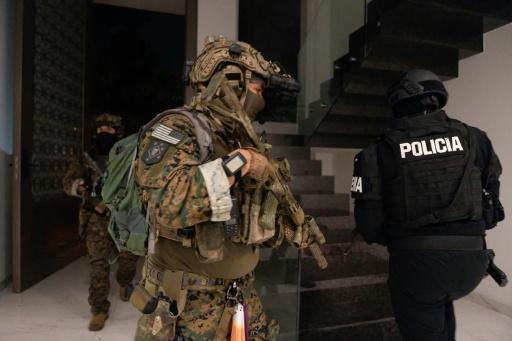
Reimberg stated that the detained individuals, all Ecuadorian nationals, allegedly belonged to a group with a direct connection to the CJNG. According to the minister, the network was involved in trafficking cocaine from Colombia—the world’s largest producer—to international markets via ports in southwestern Ecuador. The operation spanned several cities and involved approximately 320 Ecuadorian police officers along with 50 uniformed personnel from the US Southern Command.
The operation underscores the enthusiastic cooperation between Quito and Washington as part of a broader crackdown on organized crime across Latin America. Ecuadorian President Daniel Noboa, a right-wing leader and Washington ally, framed the military offensive against criminal organizations as a necessary response to the threat posed by cartels. During an address to the United Nations General Assembly on Wednesday, Noboa addressed criticism of the government’s tactics, stating that the country receives significant scrutiny regarding its fight against organized crime but little concern for the victims of those criminal groups.
Despite the government’s emphasis on security gains, the militarized approach to combating drug trafficking has drawn alarm from human rights organizations. These groups have denounced incidents of excessive use of force, torture, and enforced disappearance linked to the ongoing operations against criminal organizations. President Noboa dismissed these concerns, prioritizing the reduction of violence associated with the cartels over the civil liberties concerns raised by advocacy groups.
The involvement of US Southern Command personnel in domestic law enforcement operations in Ecuador marks a significant escalation in bilateral security cooperation. While the specific operational details and the full extent of the CJNG’s logistical network in Ecuador have not been independently verified, the joint nature of the raid indicates a shift toward direct US military support in Ecuador’s internal security efforts. The arrests represent a tactical disruption to a trafficking route that leverages Ecuador’s strategic geographic position between Colombia and global markets.
Future developments will likely focus on the judicial processing of the over 30 arrested suspects and potential further joint operations targeting other nodes of the cartel’s network in the region. The operation highlights the complex intersection of national sovereignty, international drug policy, and human rights standards in the context of regional security partnerships.