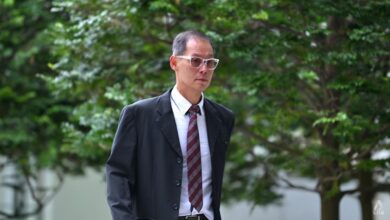
The order prevents the disposal of assets belonging to Zacharia Tshisele, who was arrested in November 2025 in connection with the alleged malfeasance. It also extends to his civil wife, Phumudzo Tshisele, his customary wife, Fulufhelo Lineth Tshililo, and a network of associated entities and individuals. Among those specifically named in the order are Joseph Fhumulani Muthaphuli and Ernest Monnakgotla, the latter having served as a former Area Manager and member of the hospital’s Quotation Adjudication Committee.
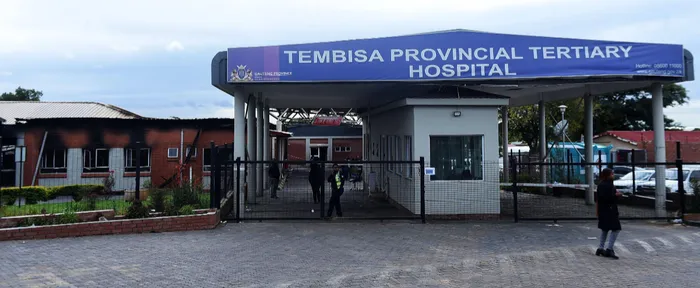
According to the SIU, Tshisele and Monnakgotla allegedly collaborated to divert public funds into two major syndicates operating within the hospital’s procurement processes. The first, identified as the Govindraju syndicate and allegedly led by Stefan Joel Govindraju, reportedly utilized 75 companies to conduct business with the hospital, receiving an estimated R600 million. The second, the Mazibuko syndicate, purportedly operated by Rudolf Mduduzi Mazibuko, used 17 companies to receive approximately R283 million from the institution. Both networks are said to have relied on the corrupt cooperation of hospital officials to execute these unlawful procurement activities.
The SIU’s investigation points to Tshisele’s role as the Operational Manager of the hospital’s theatre in 2017. In this capacity, he is alleged to have abused his position to initiate supply chain processes and confirm the receipt of goods, thereby enabling payments to syndicate-linked companies. The unit notes that Tshisele was directly involved in transactions totaling approximately R15.9 million. Each of these transactions was allegedly kept below the R500,000 threshold to circumvent competitive bidding requirements. The SIU states that these transactions often involved items that were unnecessary, undelivered, or only partially supplied.
The preservation order specifically targets the Government Employees Pension Fund (GEPF) and the Government Pensions Administration Agency (GPAA), preventing them from disbursing Tshisele’s pension benefits, which exceed R1 million. Additionally, two high-value luxury properties connected to the alleged scheme have been frozen. Tshisele has reportedly repaid R13.5 million to the SIU since his arrest, though the preservation order remains in effect to secure the remaining assets.
The scandal is rooted in allegations of corruption, overpricing, and mismanagement, particularly concerning the procurement of protective gear during the COVID-19 pandemic. The SIU contends that the conduct of the implicated officials and syndicates constitutes severe breaches of South Africa’s legal framework governing public finance. The alleged violations include contraventions of the Constitution, which mandates transparent and accountable public administration, as well as the Public Finance Management Act (PFMA) and the Public Service Act.
Furthermore, the actions are alleged to fall foul of Treasury Regulations and the Prevention and Combating of Corrupt Activities Act (PRECCA), which criminalizes various forms of corrupt behavior. The freezing of these assets underscores the SIU’s enforcement powers to recover public funds and hold individuals accountable for financial misconduct. By restraining payments and dealings by the implicated companies and individuals, the order aims to preserve the integrity of the state’s financial resources while the legal proceedings continue.
As the case moves through the judicial system, the focus remains on the recovery of the diverted funds and the prosecution of those alleged to have facilitated the scheme. The preservation order serves as a preliminary but critical step in ensuring that the proceeds of the alleged corruption remain available for potential restitution to the public sector. The next confirmed legal steps will involve the continued prosecution of the individuals named in the order, with the Special Tribunal overseeing the preservation of the frozen assets.