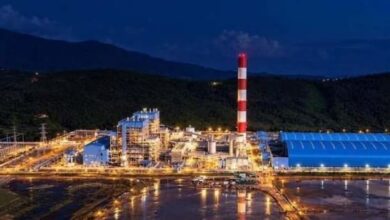
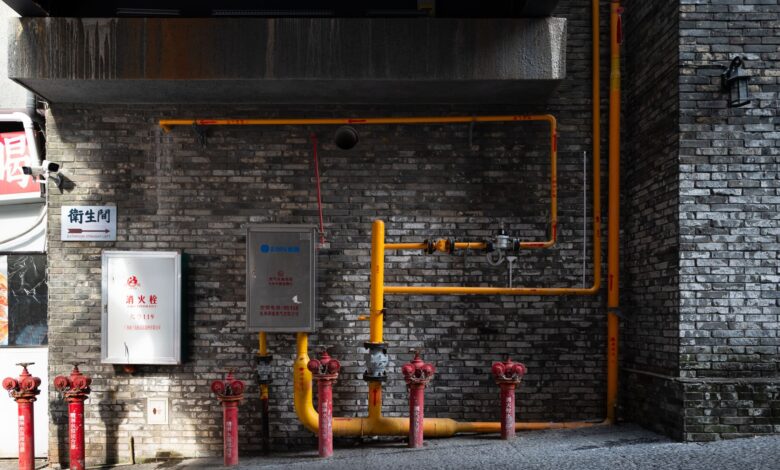
The technical linkage between gas supply and electricity generation in Syria is direct and critical. The three power plants affected by the pipeline breach rely on natural gas as their primary fuel source. Without a steady supply of gas, these thermal units cannot maintain operational status, leading to a rapid drop in megawatt output. This event highlights the vulnerability of the energy system, where a single point of failure in the transmission of fuel can translate directly into widespread power outages. The explosion has effectively removed a significant portion of the available generation capacity from the grid, forcing grid operators to prioritize remaining loads and implement stricter rationing protocols.
As a direct consequence of the reduced generation capacity, power rationing hours are set to increase. This operational adjustment means that the duration of scheduled outages for households and businesses will be extended. For consumers, this translates to longer periods without electricity, impacting essential services, commercial activities, and domestic comfort. The increase in rationing hours is a standard response to an acute supply shock, designed to prevent a total grid collapse by balancing the now-limited generation against existing demand. However, the practical effect is a heightened reliance on backup generators for businesses and a significant inconvenience for residents who must plan their daily activities around extended blackout windows.
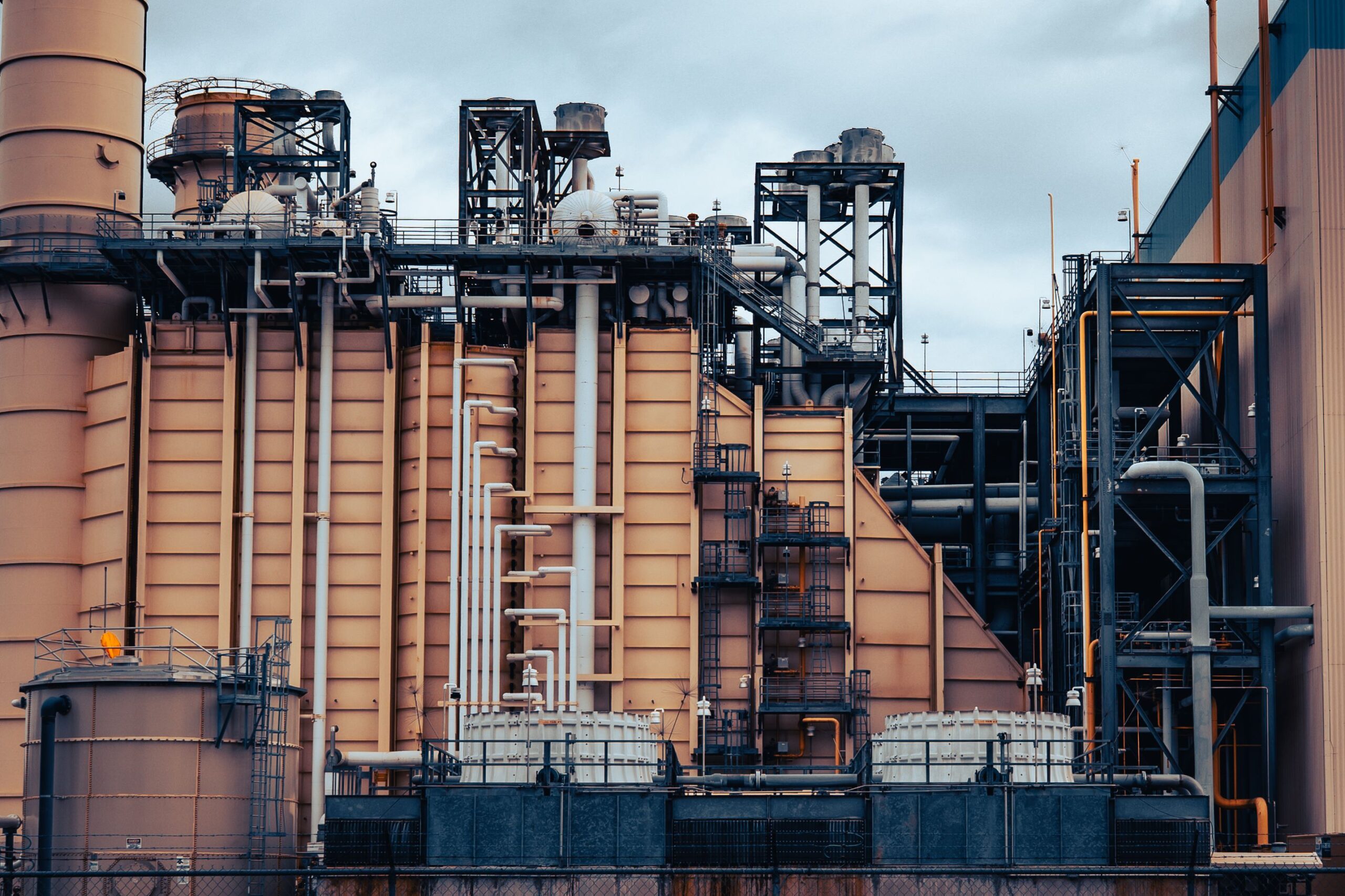
The broader energy significance of this incident extends beyond the immediate operational disruption. It underscores the fragility of Syria’s energy infrastructure, which has faced years of strain and limited investment. The gas pipeline serves as a critical artery for the power sector, and its integrity is paramount for maintaining stable electricity supply. The explosion raises questions about the safety standards, maintenance schedules, and protective measures in place for such critical infrastructure. In a system where generation capacity is often already operating near its limits, the loss of three major power plants represents a substantial percentage of available output, making the impact on the grid disproportionately severe.
Government and utility officials are expected to focus on two immediate priorities: repairing the damaged pipeline and stabilizing the power grid. Restoring the gas flow is a prerequisite for bringing the three power plants back online. Until the pipeline is repaired and tested for safety, those plants will remain offline, and the increased rationing schedule will likely persist. The speed of the repair will determine the timeline for the return to normal power distribution patterns. In the interim, grid operators are managing the load with the remaining operational plants, which are likely operating at high capacity factors to compensate for the loss.
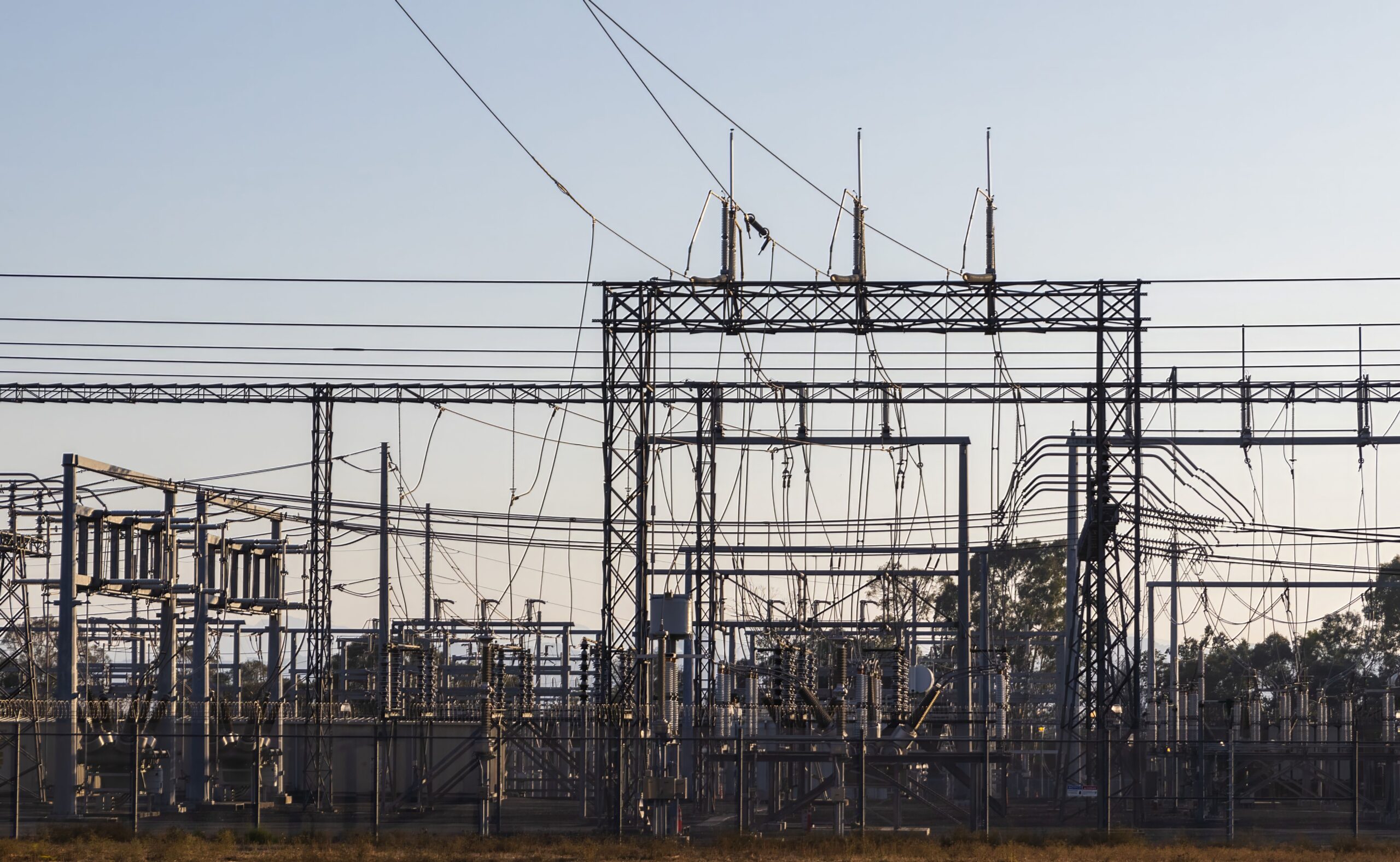
For industries and businesses that rely on consistent power for production and operations, the increased rationing hours pose operational challenges. Manufacturers, data centers, and other energy-intensive sectors may face production slowdowns or increased costs due to the use of backup power. The incident serves as a stark reminder of the interdependence between gas and electricity systems. A disruption in one sector immediately impacts the other, affecting not just utility operators but the entire economy. The resolution of this crisis will require not only physical repairs to the pipeline but also a careful recalibration of the grid’s management to ensure stability as supply gradually returns to pre-incident levels.
The situation remains fluid as repair efforts commence. The exact cause of the explosion has not been fully detailed in the immediate aftermath, but the physical damage to the pipeline is confirmed. As workers assess the extent of the destruction and begin the repair process, the focus remains on minimizing the duration of the power disruptions. The increase in rationing hours is a temporary but necessary measure to maintain grid stability in the face of reduced generation. For the households and businesses affected, the next few days will be marked by longer outages and a heightened awareness of the critical role that gas infrastructure plays in keeping the lights on.