

The central trigger for the unrest was the narrow parliamentary vote that blocked legislation put forward by the government of Prime Minister Pedro Sánchez. The proposed measures were designed to strengthen protections for tenants, a priority for the administration as it attempts to address the squeeze on household budgets caused by soaring rents and property prices. The failure to secure the necessary majority in the lower house of parliament has left the proposed legal framework unenacted, a outcome that has provoked intense anger among voters who view the housing market as increasingly unmanageable without state intervention.
The political significance of the rejection extends beyond a single policy failure. It highlights the structural difficulties faced by Sánchez’s coalition government in enacting ambitious social reforms. The Spanish political landscape is fragmented, requiring the government to build consensus with opposition parties to pass significant legislation. The narrow margin of the recent vote indicates that while there may be some support for the general aim of tackling housing costs, the specific mechanisms proposed by the executive were not sufficient to secure the broad mandate required for implementation. This dynamic creates a precarious position for the government, which must now navigate between the demands of its base for stronger state action and the realities of parliamentary arithmetic.
For the principal actors in this political dispute, the stakes are high. The government, led by Sánchez, seeks to demonstrate its capacity to deliver on social promises and alleviate the economic pressures felt by ordinary citizens. The rejection of the emergency measures complicates this narrative, potentially weakening the administration’s leverage in future negotiations with both opposition parties and domestic political rivals. The opposition, meanwhile, has the opportunity to position itself as a more effective alternative, criticizing the government for proposing measures that were either insufficient or poorly timed, thereby contributing to the political instability surrounding the housing issue.
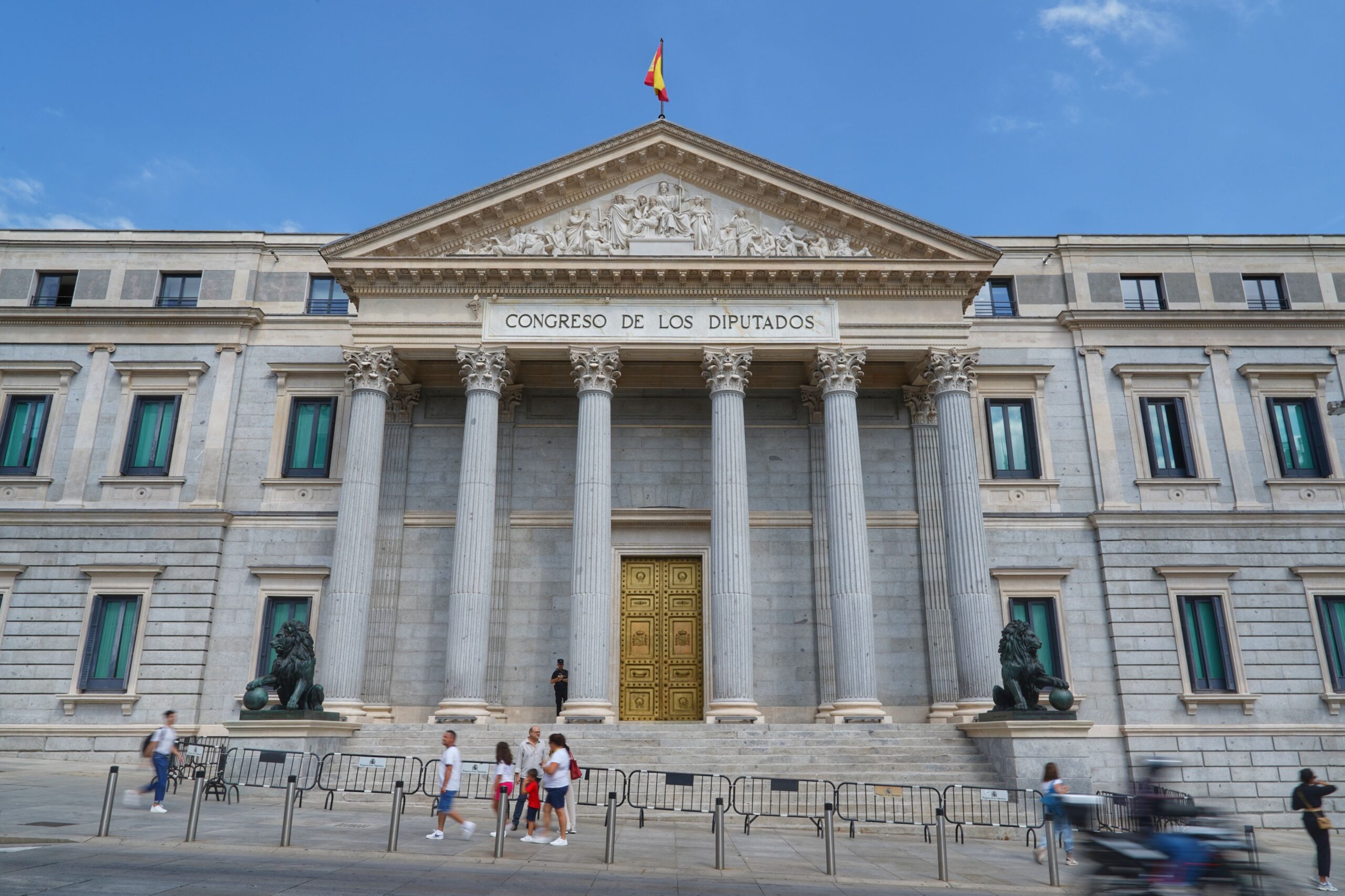
The institution at the center of this development, the Congress of Deputies, functions as the primary legislative chamber where such social policies are debated and voted upon. In this case, the process revealed the limits of executive power. Even with a governing majority or coalition, the passage of contentious social legislation often requires careful calibration to avoid triggering a backlash or failing to reach the required quorum or majority thresholds for specific types of bills. The recent vote serves as a reminder that legislative success is not guaranteed by executive intent alone, but is contingent upon broader political alignment.
The impact of this political impasse on governance and the public is immediate and tangible. With the emergency protections for tenants remaining unenacted, the market conditions that have driven up housing costs continue unabated. This creates a sense of urgency among voters who feel that the political system is failing to respond to a critical livelihood issue. The protests are not merely symbolic; they represent a tangible shift in public mood, where patience with political gridlock is wearing thin. The anger is directed not just at the opposition for blocking the measures, but also at the government for failing to secure their passage, suggesting a broader distrust in the political class’s ability to manage the housing crisis.
Credible opposing positions exist on both sides of the political divide. Critics of the government’s approach argue that the proposed measures were inadequate to address the systemic nature of the housing shortage, while supporters of the opposition’s stance contend that the emergency legislation was rushed and lacked sufficient consultation or economic viability. These debates reflect deeper ideological divides over the role of the state in the housing market, with some advocating for direct intervention and rent controls, and others favoring market-based solutions and supply-side reforms. The public, however, appears to be coalescing around a demand for tangible results, regardless of the ideological label attached to the proposed solutions.
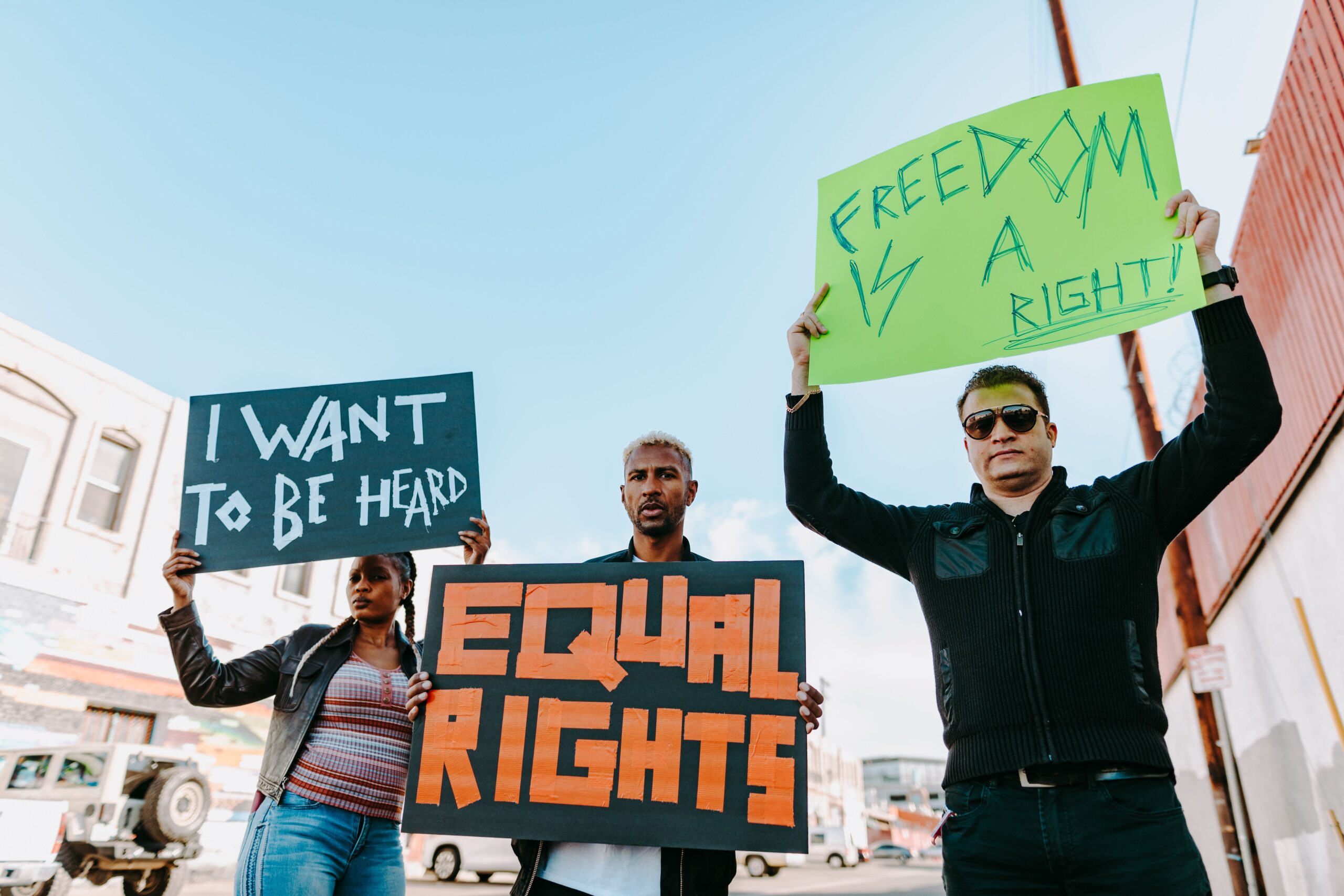
What remains uncertain is the next move for the Sánchez government. The failure of the emergency legislation leaves a policy vacuum that must be filled if the administration is to maintain its credibility. Whether the government will attempt to re-introduce the measures in a modified form, seek a different legislative vehicle, or pivot to other policy priorities is yet to be determined. The political pressure from the streets will likely influence this decision, as the government weighs the risks of further confrontation with the opposition against the necessity of demonstrating action on housing.
As the dust settles from Saturday’s marches, the focus returns to the central decision that sparked the unrest: the rejection of tenant protection laws. The episode underscores the fragility of the current political consensus on social issues and the high cost of legislative failure. The next political development will likely be seen in the coming weeks, as the government and opposition parties engage in further negotiations or public debates. The ability of the political class to translate public demand into effective policy will be tested again, with the housing crisis serving as the primary battleground for this contest of governance and accountability.