A Shift in Local Sentiment
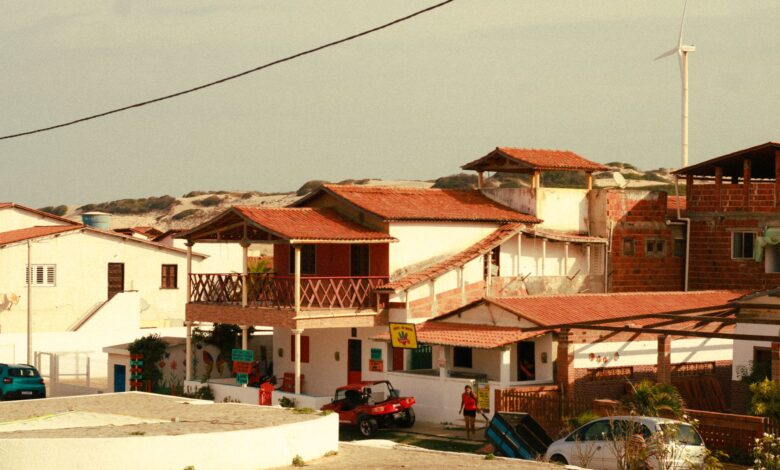
Despite this hallowed status and the overwhelming electoral mandate from the previous cycle, a segment of the local electorate is now showing signs of disaffection. The stability of Lula’s support in Guaribas, once considered a bedrock of his political base, is wavering. This erosion of loyalty is not occurring in a vacuum; it is part of a broader pattern where the initial gratitude for the introduction of social safety nets is being tested by ongoing economic realities and political expectations.
The political significance of Guaribas extends beyond its local boundaries. As the symbolic birthplace of Bolsa Família, the town serves as a barometer for the relationship between the federal government and the beneficiaries of its social policies. When support wavers in such a historically loyal area, it signals to other parts of Lula’s base that the political contract—trading electoral support for social welfare—is being renegotiated or, in some cases, broken. The principal actors in this dynamic are the local voters, who have directly experienced the impact of the program, and the federal administration, which relies on the continued political cohesion of these communities to maintain its legislative and electoral strength.

The Mechanics of Political Loyalty
Understanding this shift requires looking at how political institutions and social programs interact with voter behavior. Bolsa Família was designed not just as an economic intervention but as a tool for political consolidation. By providing direct financial aid to the poorest households, the program created a direct line of dependency and gratitude between the state and the citizen. In Guaribas, this relationship was particularly strong because the program was conceived within the community, giving it a deeply personal resonance for residents.
However, political loyalty is not static. It is influenced by the perceived effectiveness of the policy, the economic conditions of the recipients, and the political rhetoric surrounding the program. The current wavering suggests that while the program remains important, it may no longer be sufficient to guarantee unreserved political support. Voters are increasingly weighing the benefits of the welfare state against other political considerations, such as governance performance, economic stability, and the perceived responsiveness of the government to their specific needs.
Uncertainties and Future Implications
The precise reasons for the disaffection in Guaribas are complex and multifaceted. While the source material confirms the shift in sentiment, it does not specify the exact grievances driving this change. Opposing political narratives might attribute this to economic mismanagement or inflation, while the government might point to external factors or the natural evolution of voter expectations. What remains uncertain is the scale of this disaffection and whether it is an isolated phenomenon or the tip of a larger trend affecting Lula’s broader support base.

For the Brazilian presidency, the situation in Guaribas serves as a warning. It highlights the vulnerability of political alliances built on social welfare programs when those programs face scrutiny or when the political environment changes. The next political development to watch will be whether this local disaffection translates into broader electoral challenges in upcoming local or national elections. If the pattern holds, it could indicate a fundamental shift in how voters in Brazil’s poorest regions perceive the relationship between social policy and political power.
Ultimately, the story of Guaribas is a microcosm of the challenges facing modern social democracies. It raises questions about the sustainability of political support derived from state patronage and the resilience of political institutions in the face of changing economic and social conditions. As the town where 94% once voted for Lula grapples with wavering loyalty, the wider political community must reckon with the implications of this shift for the future of Brazilian governance.