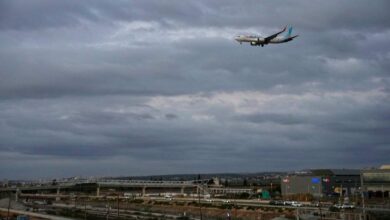

Yonaguni is the closest point on the Japanese mainland to the island of Taiwan, sitting roughly 110 kilometers from the Chinese-controlled island. The placement of NMESIS in this specific location is described as unprecedented, as it brings long-range, precision-guided strike capability significantly closer to potential flashpoints in the East and South China Seas. The deployment occurs at a time when diplomatic and military tensions between China and Japan have been steadily escalating, with both nations engaging in regular maritime and aerial standoffs in the region.
NMESIS is a ground-based, uncrewed missile platform designed to engage surface vessels at long range. While the system has been in development and testing for several years, this specific deployment to a forward-operating location like Yonaguni distinguishes it from previous exercises where the system may have been tested in more controlled or rear-echelon environments. The system is intended to provide naval forces with a persistent, land-based anti-ship capability that can deter adversary surface combatants from approaching allied waters or critical maritime lanes.
The decision to integrate NMESIS into the biennial exercises with the Japan Self-Defense Forces (JSDF) underscores a deepening interoperability between the two militaries. By placing the system on Yonaguni, the US and Japan are demonstrating a coordinated ability to project power and maintain a defensive perimeter in the first island chain. The exercise serves not only as a test of the technical readiness of the missile system but also as a strategic signal to regional adversaries regarding the resolve and capability of the US-Japan alliance to defend against maritime incursions.
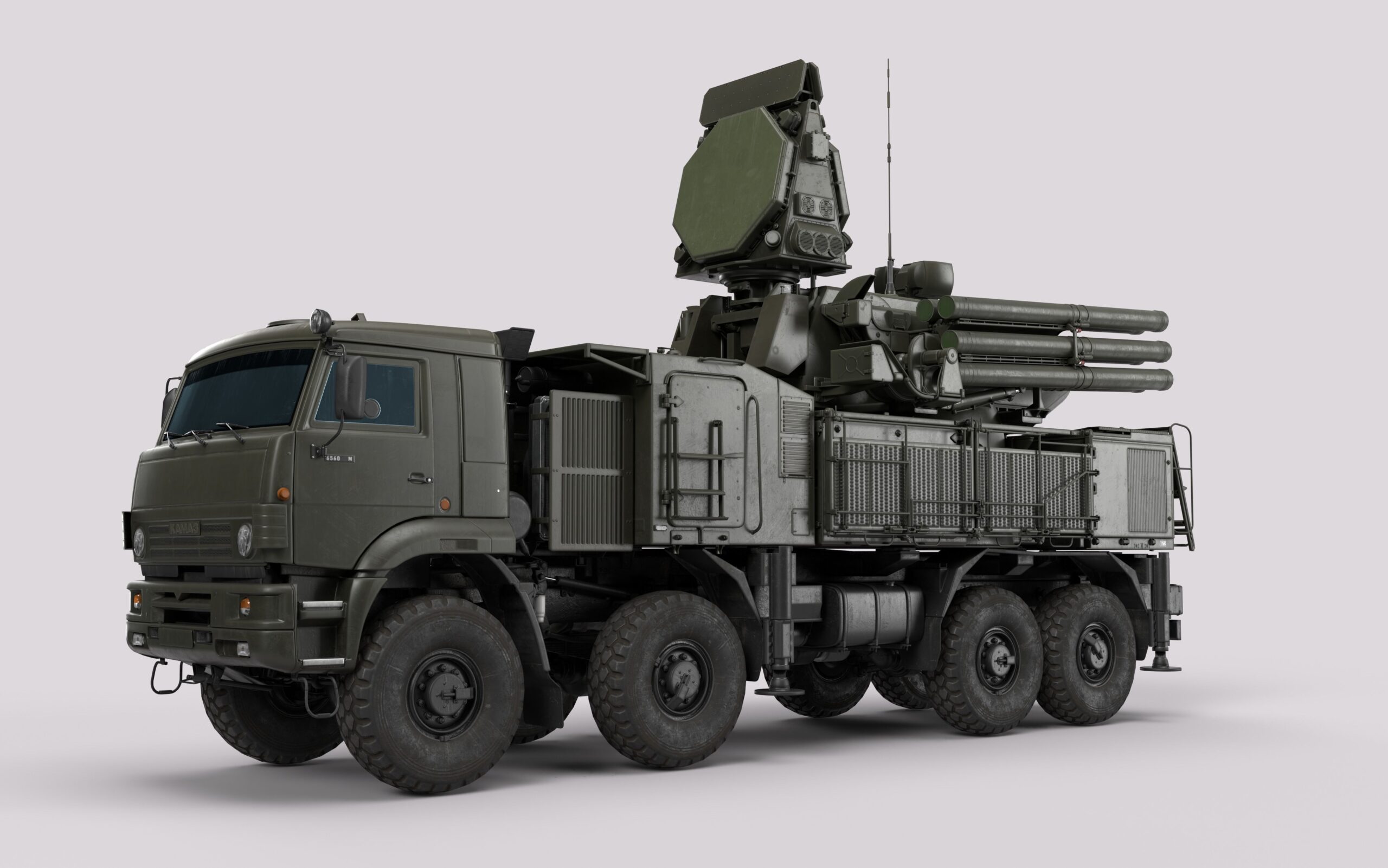
Analysts note that the forward deployment of such systems reflects a broader trend in US military strategy to disperse and pre-position high-value assets in the region. In an era of advanced anti-access/area denial (A2/AD) capabilities, particularly those held by the People’s Liberation Army Navy, the ability to strike high-value surface targets from secure, allied soil becomes a critical component of deterrence. The proximity of Yonaguni to Taiwan makes this deployment particularly sensitive, as it directly impacts the strategic calculus regarding the defense of the strait and surrounding waters.
While the deployment is framed within the context of routine biennial exercises, the specific selection of Yonaguni Island suggests a deliberate emphasis on rapid response and forward presence. The system’s presence on the island, even if temporary for the duration of the exercises, signals a willingness to operate in close proximity to contested areas. This approach contrasts with more traditional basing strategies that keep such sensitive weapons systems further from potential conflict zones until they are needed.
The integration of NMESIS into these joint drills also highlights the evolving role of land-based assets in naval warfare. As maritime domain awareness and engagement ranges continue to expand, the blurring of lines between land and sea-based strike capabilities is becoming a defining feature of modern naval strategy. The US and Japan are working to ensure that their respective forces can operate seamlessly together, sharing intelligence and coordinating fires to create a layered defense network.
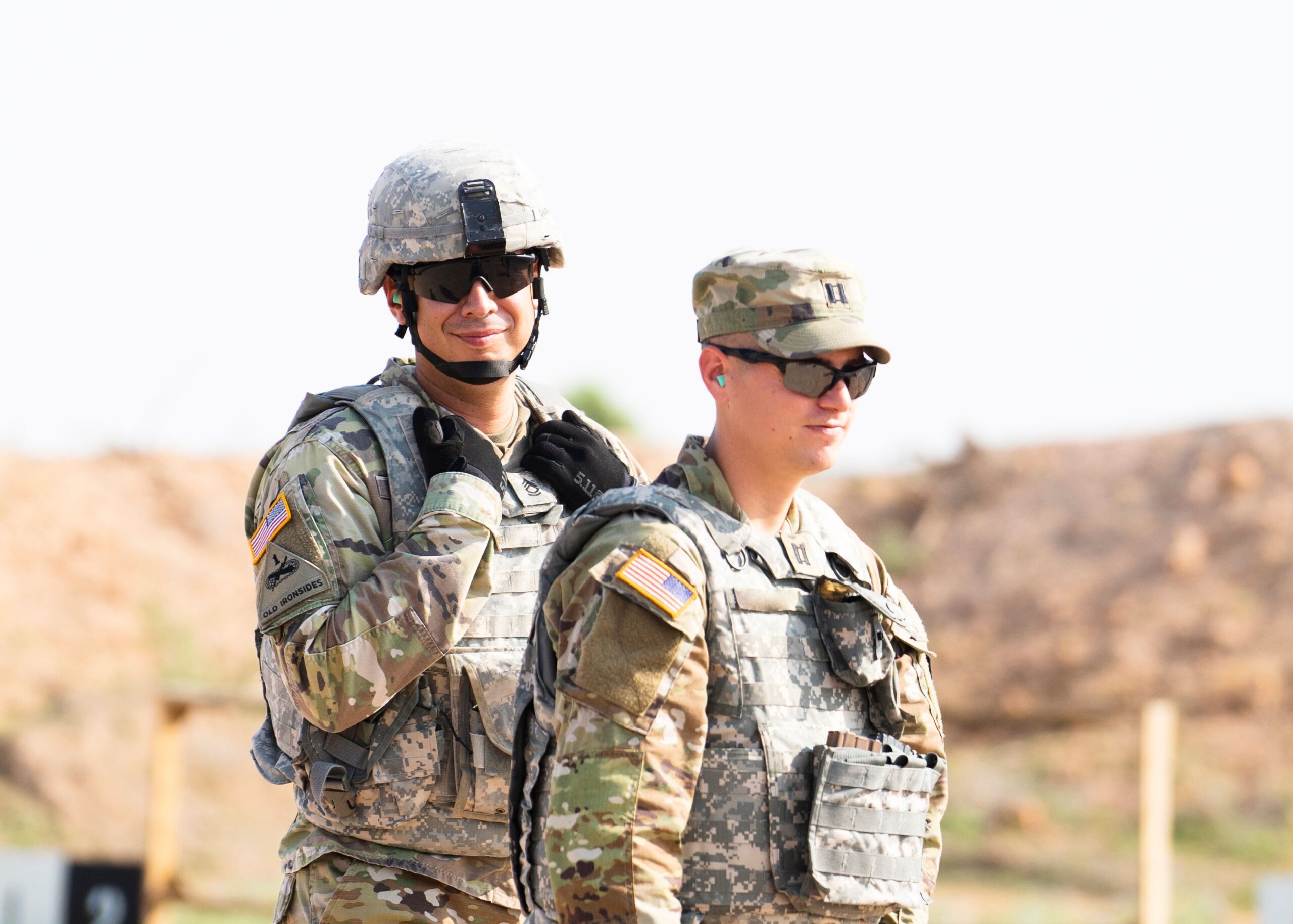
The upcoming exercises will likely involve detailed coordination between US Marine Corps units operating the NMESIS and JSDF counterparts, focusing on communication protocols, target identification, and engagement procedures. Such collaboration is essential for ensuring that the system can be effectively employed in a real-world scenario where speed and accuracy are paramount. The successful integration of this system into the joint exercise framework will provide valuable lessons learned that can inform future deployments and operational planning.
As tensions in the region continue to simmer, the visibility of this deployment serves as a clear indicator of the US commitment to the security of its ally Japan. The move demonstrates that the alliance is not only capable of defending the Japanese archipelago but is also prepared to project power in the surrounding maritime domains. The outcome of the exercises will be closely watched by regional observers, who will assess the technical performance of the system and the level of cooperation between the two militaries. Ultimately, the deployment of NMESIS to Yonaguni represents a tangible step toward a more robust and forward-leaning security posture in the western Pacific.