
The decision affects 127,000 employees within the Volkswagen brand. By ending these contracts, the automaker aims to open up room for new negotiations regarding its cost structure. Arne Meiswinkel, the Volkswagen brand’s board member responsible for human resources, stated that the automotive industry’s economic environment had deteriorated significantly over the past 18 months. He cited growing competition from Chinese manufacturers in Europe, describing these market changes as structural and far-reaching. Meiswinkel emphasized that Volkswagen faces an increasing need to bring its costs to a competitive level to survive in this new landscape.
Union Response and Potential Industrial Action
The announcement drew a sharp response from IG Metall, the major metalworkers’ union representing the affected workers. The union confirmed that Volkswagen handed over termination notices for the ten agreements during the Hanover meeting, which was originally intended to review commitments under the company’s 2024 restructuring deal. While IG Metall acknowledged that the employment security provisions agreed upon in 2024, which are set to remain in force until the end of 2030, are unaffected, the union warned that the termination of other agreements represents a significant step backward for employees.
IG Metall noted that strikes are legally possible from January 1, 2027, once the current agreements expire. The union is expected to push back against Volkswagen’s stance, particularly as the company has rejected the union’s demand for a 5% wage increase. This development sets the stage for broad and difficult negotiations, potentially reigniting bitter disputes between the automaker and employee representatives.
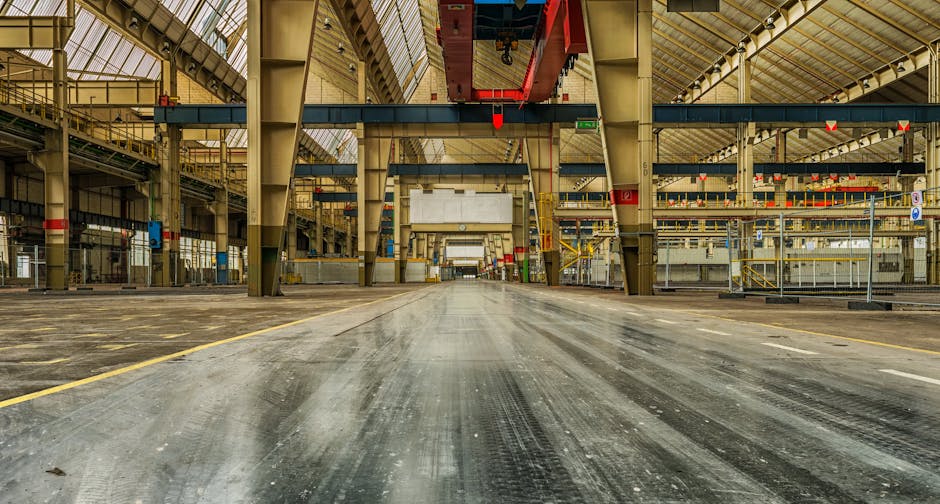
“The automotive industry’s economic environment had deteriorated significantly over the past 18 months… Volkswagen faced an increasing need to bring costs to a competitive level.” — Arne Meiswinkel, Volkswagen Brand Board Member for Human Resources
The move comes just weeks after the broader Volkswagen Group announced its “2030 Plan for the Future.” That plan includes the reduction of 50,000 jobs, in addition to another 50,000 jobs already planned for cuts, as well as decisions regarding the future of four German plants. The group employs approximately 660,000 people worldwide. The brand-specific termination of wage agreements now places the Volkswagen brand at the center of the industrial relations front, adding another layer of complexity to the group’s restructuring efforts.
The termination of these agreements is not an isolated incident within the German automotive sector. Another major carmaker, BMW, recently announced plans to simplify its organizational structure and rely more heavily on artificial intelligence to adapt to global market changes. BMW plans to eliminate 20% of its divisions and associated management roles by mid-2027. While BMW stated this is not linked to a large-scale reduction in headcount, it announced a voluntary redundancy program earlier in the year that will reduce its global workforce by around 8,000, with many jobs cut in administration and research and development in Germany.
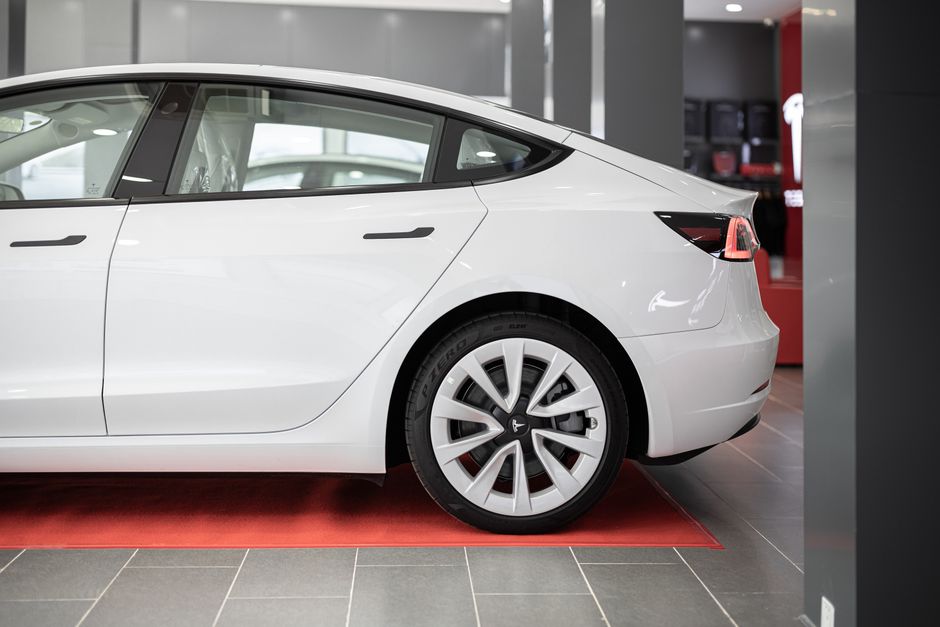
For Volkswagen, the immediate consequence of terminating the wage agreements is the removal of previously negotiated protections for pay and working conditions, leaving these elements open to renegotiation. The employment guarantees that protect against involuntary job losses until 2030 remain intact, providing a baseline of security for the 127,000 affected employees. However, the financial pressures cited by the company suggest that future negotiations will be heavily focused on cost containment rather than wage growth.
The situation highlights the broader challenges facing the European automotive industry as it grapples with the transition to electric vehicles and intensified competition from Asian manufacturers. The structural nature of the competition, as described by Volkswagen’s HR board member, suggests that traditional labor models may be under sustained pressure. As the industry evolves, the balance of power between global automakers and powerful European unions will likely be tested further in the coming months.
The next critical juncture in this dispute will be the start of negotiations for new agreements in early 2027. With the legal right to strike becoming active on January 1, 2027, both Volkswagen and IG Metall will need to find a middle ground quickly to avoid prolonged industrial action that could disrupt production and supply chains. The outcome of these talks will serve as a significant indicator of the future direction of labor relations in the German automotive sector.