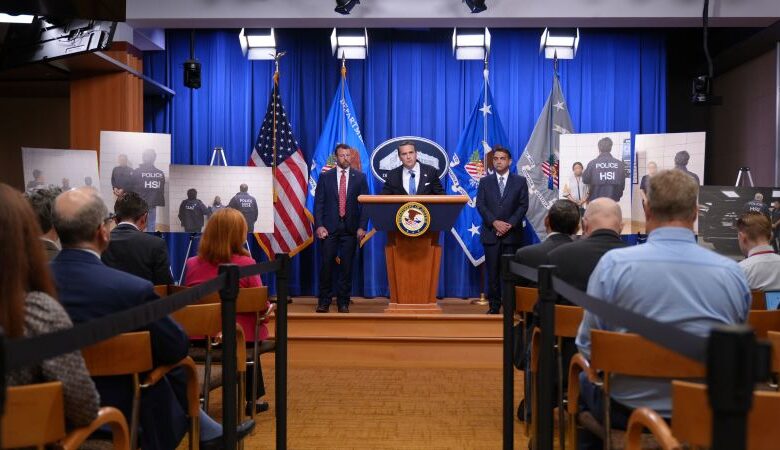
The complaint targets remarks made by the judges in a recent profile published by the New York Times. In the article, the judges described the Justice Department’s failure to comply with court orders during an immigration-enforcement surge as a grave threat to the rule of law. They emphasized that DOJ staffing shortages appeared to inhibit the administration’s ability to adhere to judicial directives. While these concerns had previously been raised in legal settings, Blanche characterized the public comments as “overtly political” and in violation of judicial rules, asserting that they reflected an “obvious bias” against the Department of Homeland Security.
Legal Basis and Institutional Response
The ethics complaint is currently pending at the federal appeals court that oversees the federal bench in Minnesota. Concurrently, Blanche is calling for the district court judges to recuse themselves from cases involving the Department of Homeland Security. However, legal analysts suggest this demand may have limited practical impact, noting that previous efforts and public complaints by the administration have not resulted in the disqualification of judges, and the bar for such disqualification is high.
Rebeccah Parks, a spokesperson for Minnesota’s U.S. district court, defended the judges’ actions, stating that the interviews were within the bounds of judicial ethics. She cited guidance issued to judges in February, which emphasized their ability to speak and write on “core judiciary matters such as advocacy for the rule of law and judicial independence.” Parks stated, “Our judges acted within this capacity.”
This latest action is part of a broader pattern of tactics employed by the administration to address judges perceived as hostile to President Donald Trump’s agenda. In a similar move, the DOJ filed an unsuccessful lawsuit against the entire federal bench in Maryland, challenging an order that limited the administration’s ability to quickly remove migrants fighting their deportations. Additionally, top administration officials have used sharp public language to criticize specific judges by name for rulings they disagree with.
Broader Implications for Judicial Independence
The dispute taps into a significant debate within the legal community regarding the appropriateness of judges criticizing administration actions in commentary outside of legal proceedings. Unprecedented legal disputes arising from actions taken at the beginning of the second term have led to notable instances of judges speaking out about concerns regarding an assault on democratic norms. These comments have sometimes extended beyond the executive branch to include criticism of the Supreme Court, which has frequently reversed lower court rulings against the administration with little explanation.
As courts across the country face aggressive public pushback from the president and his allies for rulings that block policy initiatives, judges have raised alarms about how heated rhetoric raises the specter of threats and intimidation. Blanche argued that the judges’ media interactions constituted a clear violation of ethical duties, particularly regarding ongoing cases.
Legislative leaders have also weighed in on the issue. Senator Chuck Grassley of Iowa and Representative Jim Jordan of Ohio, the Republican chairs of the Senate and House Judiciary Committees respectively, called on Chief Judge John Roberts in a letter last November to restrict judges from speaking to the press, particularly in anonymous fashion. This criticism was highlighted in the context of broader scrutiny of the Supreme Court. In response to these pressures, the Committee on Codes of Conduct for the Judicial Conference, a policy-making entity for federal judges overseen by Chief Justice Roberts, offered more nuanced guidance on judicial speech.
The next confirmed legal step lies with the federal appeals court in Minnesota, which will now review the misconduct complaint filed by the Justice Department. The outcome of this review will be closely watched by legal observers as a potential precedent for the boundaries of judicial speech and the mechanisms available to the executive branch to challenge the composition of the federal bench.